





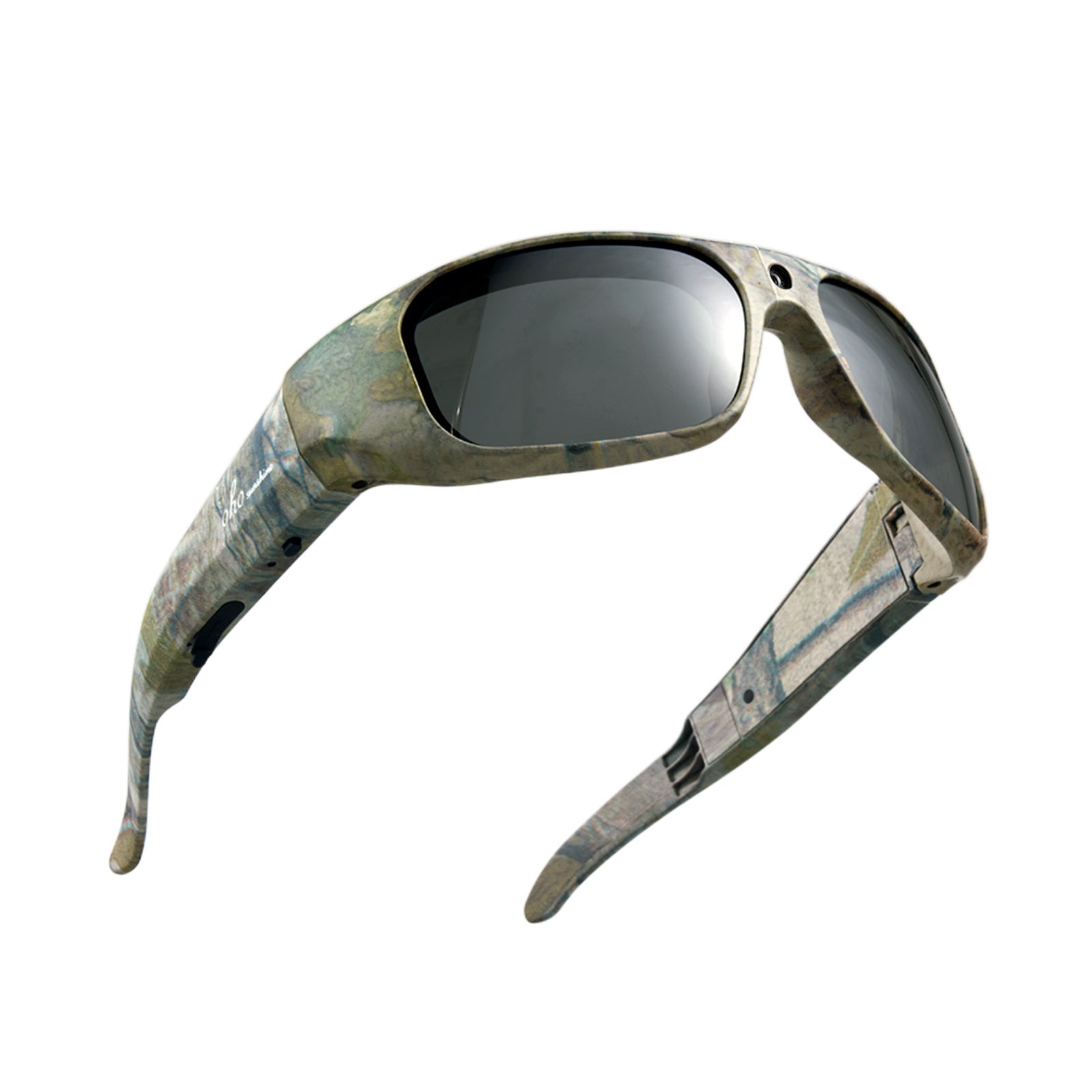


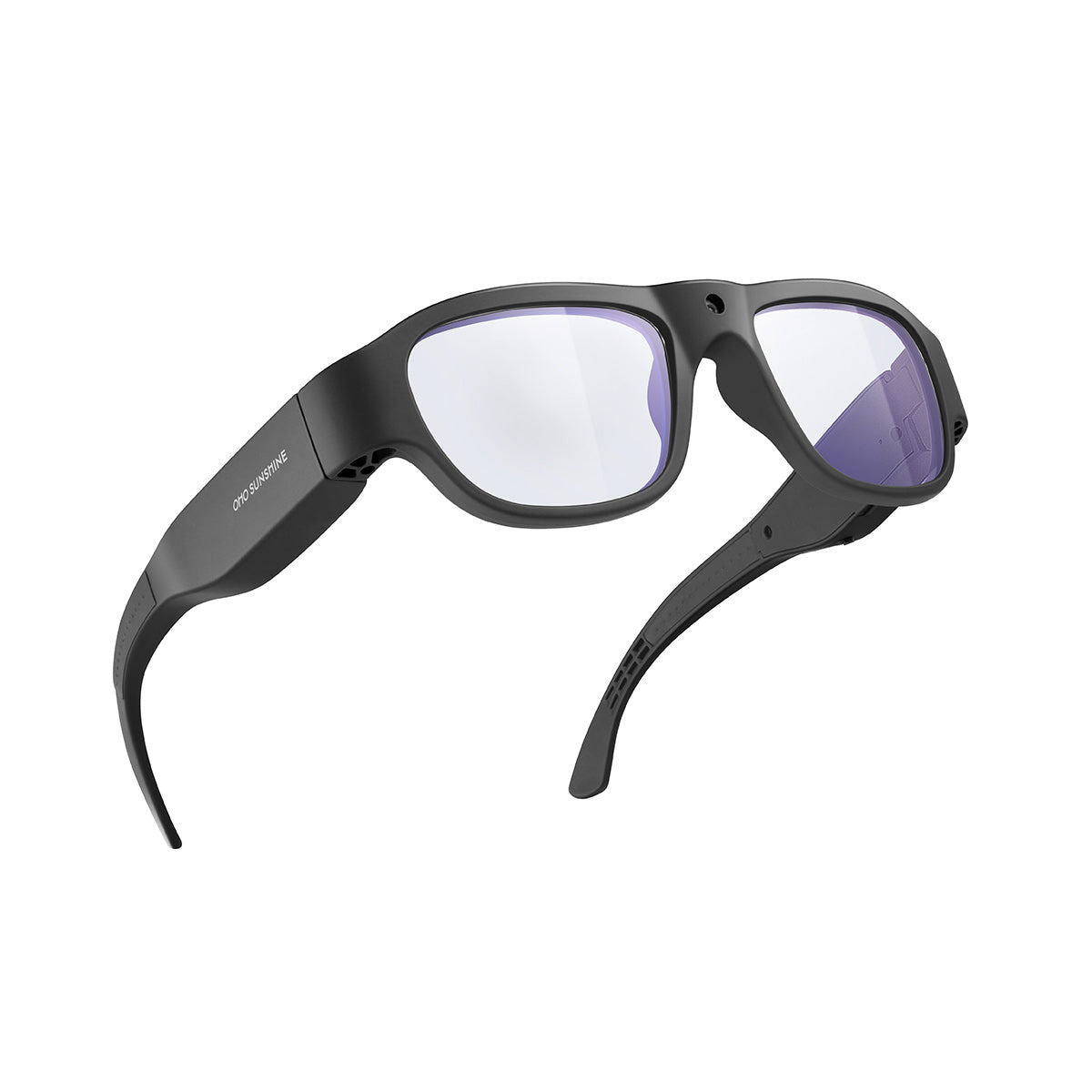
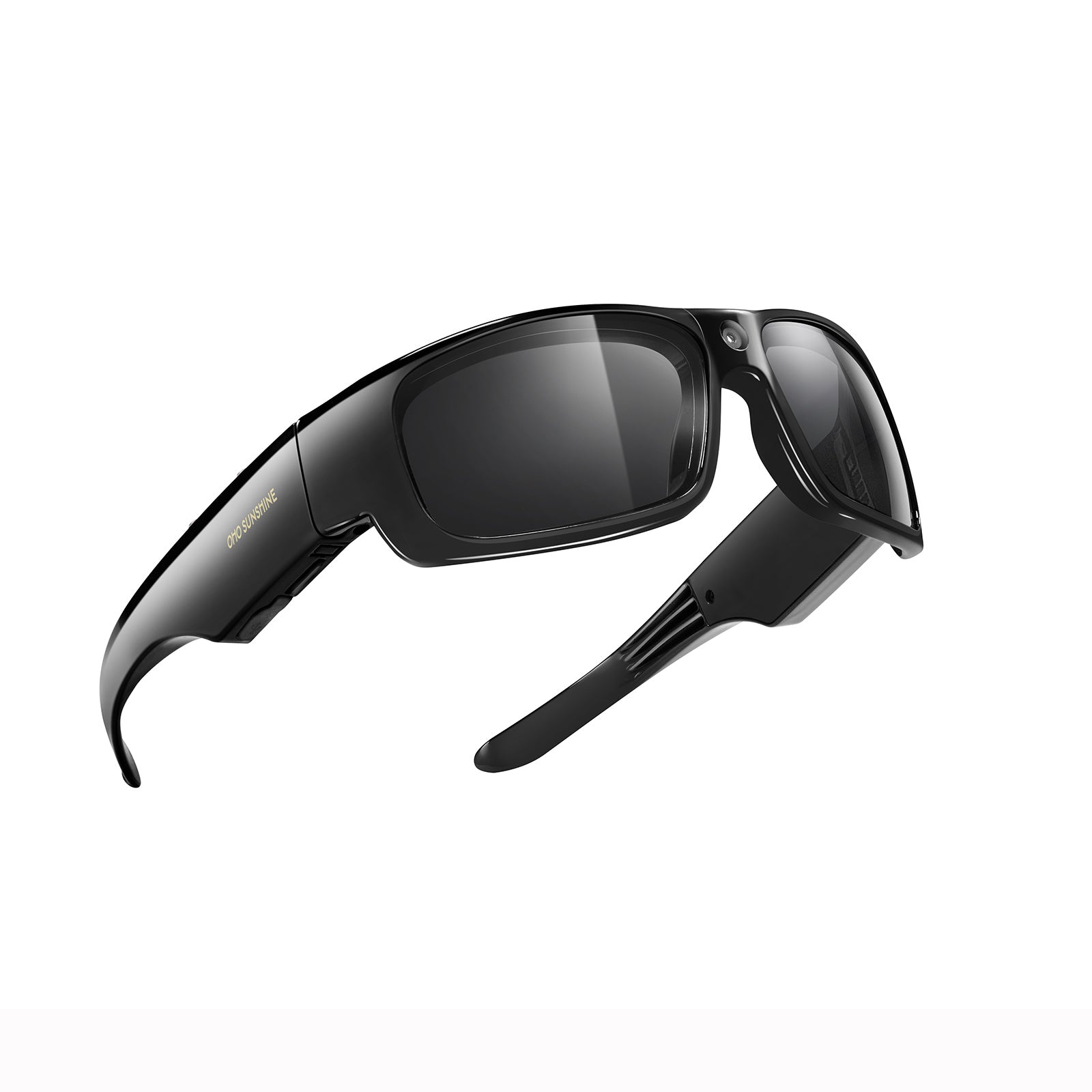


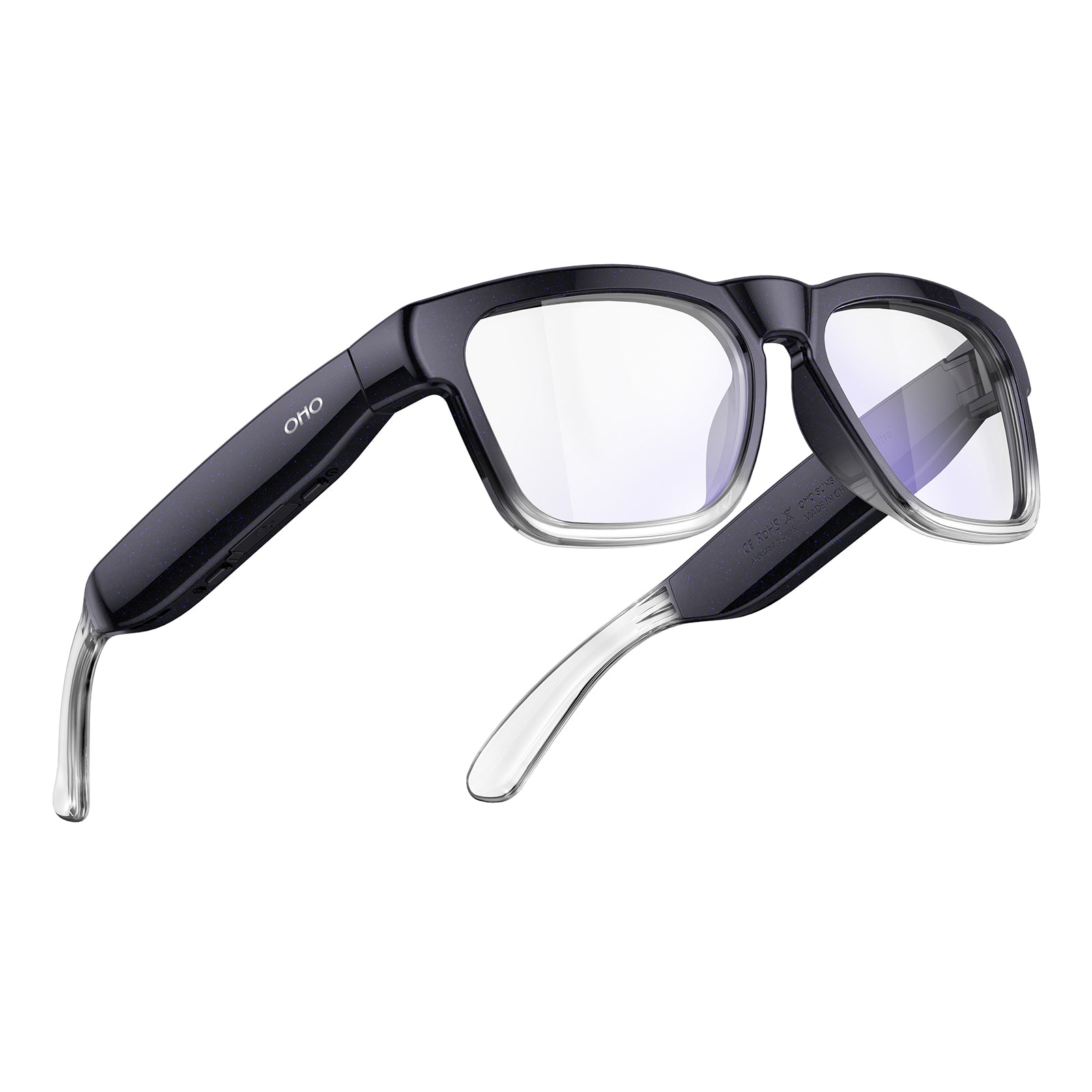


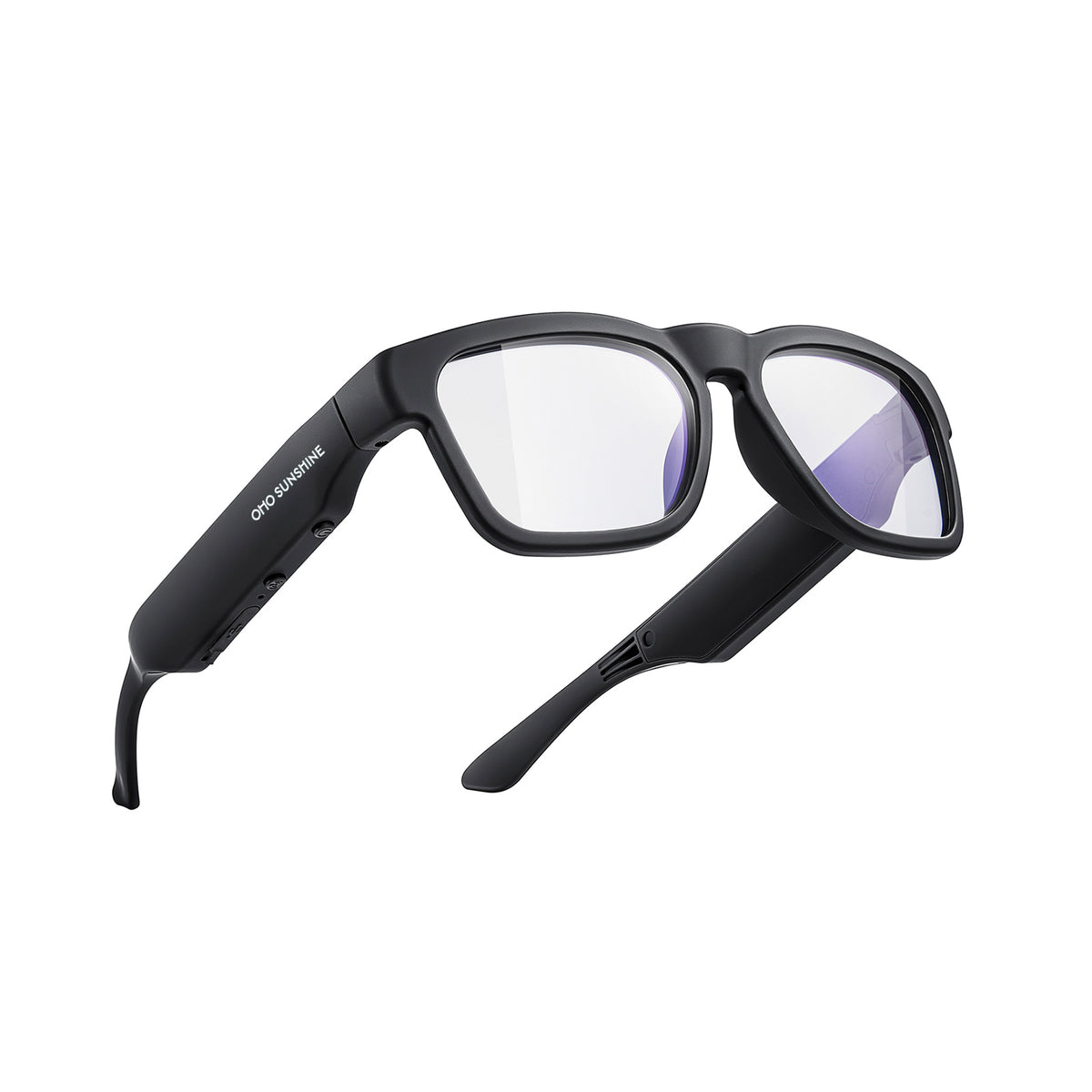



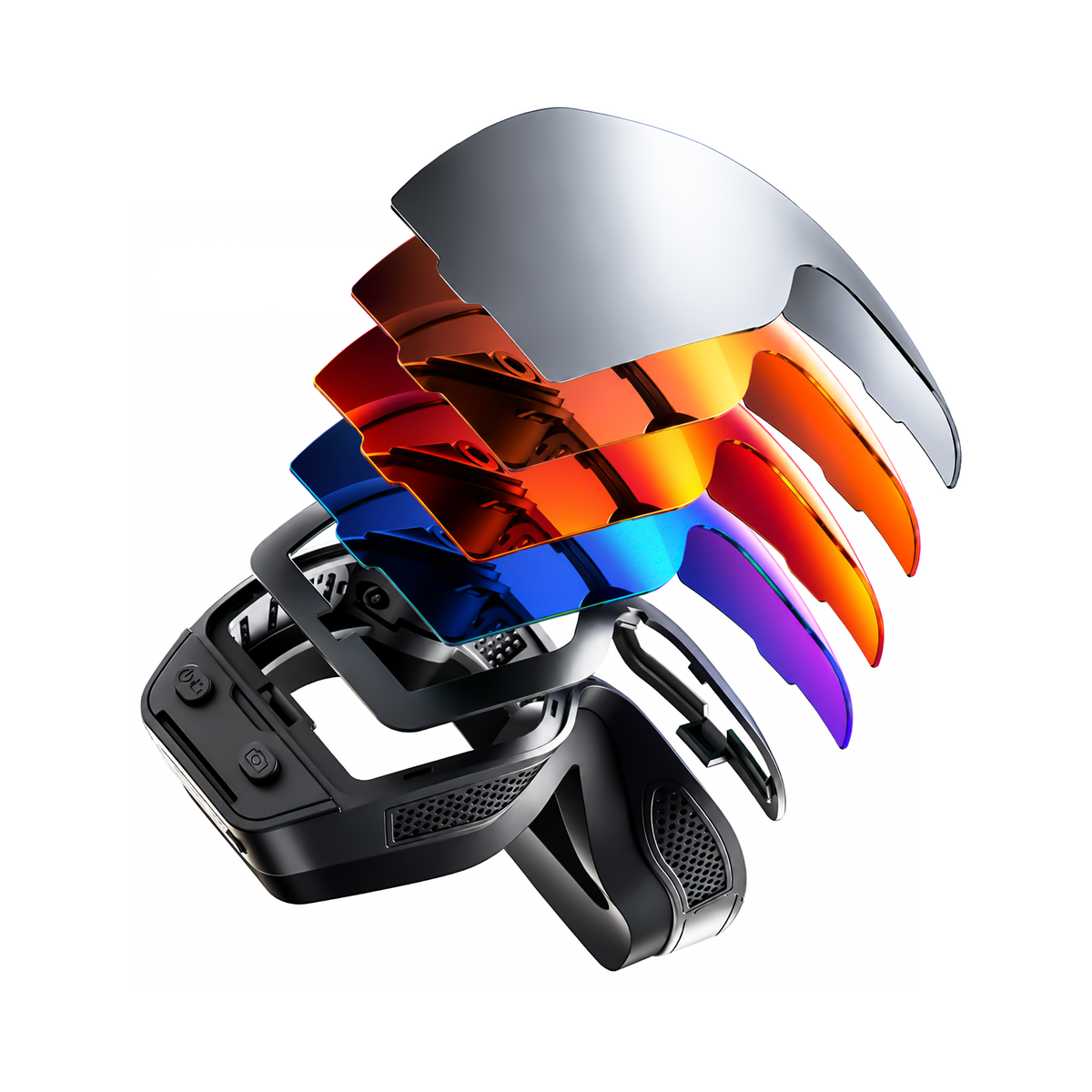



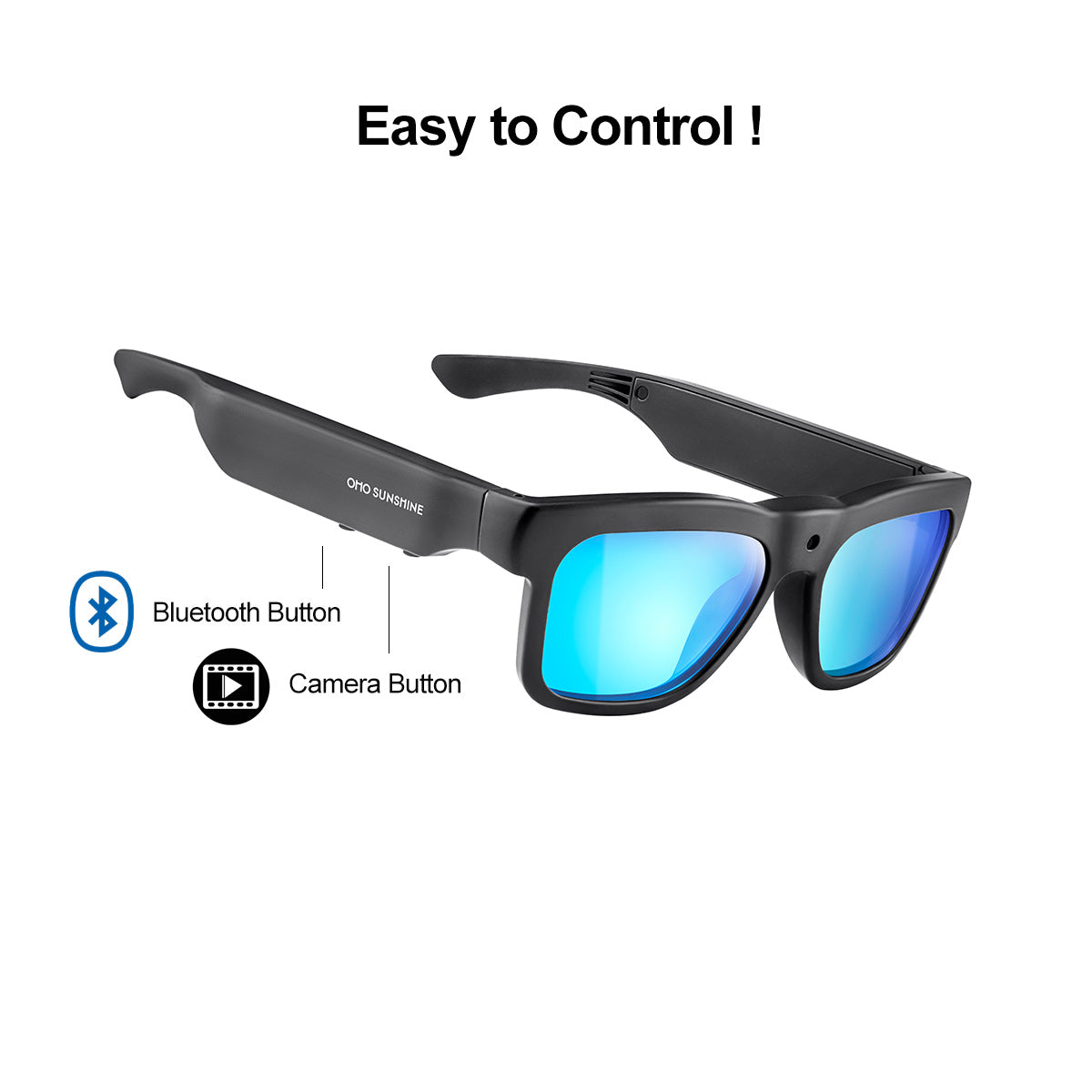
Die Gesetze zur Zustimmung bei Audioaufnahmen mit Smart Glasses gewähren Ihnen keinen Freifahrtschein, nur weil das Mikrofon in den Brillenrahmen integriert ist. Am sichersten ist ein einfacher Ansatz: Prüfen Sie die Vorschriften Ihres Bundesstaats, bewerten Sie die Situation und überlegen Sie, ob die Menschen in Ihrer Umgebung vernünftigerweise Privatsphäre erwarten können, bevor Sie mit der Aufnahme beginnen.

So funktioniert die Zustimmung bei Audioaufnahmen
Auf rechtlicher Ebene fallen Gesetze zur Zustimmung bei Audioaufnahmen im Allgemeinen in zwei Kategorien: Zustimmung einer Partei und Zustimmung aller Beteiligten (oder zweier Parteien). Nach der Regel zur Zustimmung einer Partei können Sie ein Gespräch oft aufzeichnen, solange Sie selbst daran beteiligt sind, ohne die Erlaubnis der anderen Person zu benötigen. Nach der Regel zur Zustimmung aller Beteiligten müssen alle Beteiligten ausdrücklich der Aufzeichnung zustimmen. Diese Unterscheidung ist zentral für den bundesstaatlichen Wiretap Act und die Gesetze der einzelnen Bundesstaaten. Statt zu fragen: „Sind diese Brillen legal?“, lautet die richtige Frage immer: „Welche Regel gilt dort, wo ich mich befinde?“ Die Übersicht von Justia zu den Aufzeichnungsregeln in allen 50 Bundesstaaten ist eine hervorragende Ressource, um die grundlegende Rechtslage in Ihrer Region zu prüfen.
Für Nutzer von Smart Glasses ist es am wichtigsten zu verstehen, dass die Bauform des Geräts nichts an der rechtlichen Situation ändert. Ein integriertes Mikrofon ist weiterhin ein Aufnahmegerät. Befinden Sie sich in einem Bundesstaat, in dem die Zustimmung einer Partei ausreicht, kann Ihre Beteiligung am Gespräch Ihnen einen gewissen Spielraum geben. In einem Bundesstaat, in dem alle Beteiligten zustimmen müssen, kann dieselbe Aufzeichnung jedoch schnell zu einer rechtlichen Belastung werden. Betrachten Sie Ihre Brille daher zunächst als Frage des Gesprächs und der örtlichen Rechtslage und erst danach als technisches Gerät.

Eine Anleitung dazu, wie Smart Glasses funktionieren, ist zwar hilfreich, um die Hardware zu verstehen, bewahrt Sie aber nicht vor rechtlichen Problemen. Richten Sie sich immer nach den Vorschriften an Ihrem Standort und dem jeweiligen Kontext Ihres Gesprächs.
Zustimmung einer Partei versus Zustimmung aller Beteiligten
Der Unterschied zwischen der Zustimmung einer Partei und der Zustimmung aller Beteiligten ist einfach: Eine Person kann die Aufzeichnung genehmigen, während alle zustimmen müssen. Der Recording Guide für Reporter ist eine solide Referenz, um die Unterschiede zwischen den einzelnen Bundesstaaten zu verstehen.
| Zustimmungsregel | Was es bedeutet | Bedeutung für Smart Glasses | Was Sie prüfen sollten |
|---|---|---|---|
| Zustimmung einer Partei | Mindestens eine an der Unterhaltung beteiligte Person muss zustimmen. | Wenn Sie am Gespräch beteiligt sind, ist das Risiko normalerweise geringer, aber der Kontext ist weiterhin wichtig. | Prüfen Sie die Regelungen Ihres Bundesstaats und ob das Gespräch hinreichend privat ist, um rechtliche Bedenken auszulösen. |
| Zustimmung aller Beteiligten | Alle Gesprächsteilnehmer müssen der Aufnahme zustimmen. | Ungezwungene Gespräche können zu rechtlichen Problemen werden, wenn Sie ohne die Zustimmung aller Beteiligten aufnehmen. | Prüfen Sie, ob in Ihrem Bundesstaat der Ort oder die Art der Kommunikation die Zustimmung aller Beteiligten erfordert. |
Das ist nicht nur Theorie. Wenn Sie reisen, pendeln oder in verschiedenen Bundesstaaten Aufnahmen machen, können Sie sich nicht auf Gewohnheiten verlassen. Die rechtlichen Anforderungen können sich in dem Moment ändern, in dem Sie eine Bundesstaatsgrenze überqueren oder sich die Art Ihres Gesprächs verändert.
Dreizehn Bundesstaaten gelten bei privaten Gesprächen im Allgemeinen als Staaten, in denen alle Beteiligten zustimmen müssen; die Regeln können sich jedoch je nach den konkreten Umständen ändern. Wenn Sie nach „Staaten mit Zustimmung aller Beteiligten“ suchen, betrachten Sie diese Liste als Warnung, die örtlichen Gesetze für Ihre konkrete Situation noch einmal zu prüfen - unabhängig davon, ob es sich um ein persönliches, telefonisches oder digitales Gespräch handelt - bevor Sie die Aufnahme starten.
Warum smarte Brillen die Rechtslage nicht ändern
Integrierte Mikrofone zählen ebenfalls
Ein tragbares Mikrofon wird nicht dadurch von den Vorschriften ausgenommen, dass es unauffällig oder diskret ist. Das Gesetz konzentriert sich auf den Vorgang der Aufnahme, nicht auf das Gerät, das Sie tragen. Wie Lexologys Analyse zu smarten Brillen hervorhebt, schafft die Tatsache, dass Ihr Aufnahmegerät in Ihre Brille integriert ist, keine Ausnahme von Gesetzen zum Abhören oder Belauschen.
Im Alltag bedeutet das, dass Sie eine Aufnahme nicht einfach damit rechtfertigen können, dass Ihre Brille „nur eine Brille“ ist. Wenn Sie Audio aufnehmen, bleibt die rechtliche Frage bestehen: Mussten die anderen Beteiligten zustimmen, und haben sie das getan? Bequemlichkeit ist niemals ein Ersatz für eine rechtmäßige Einwilligung.
Sichtbarkeit ersetzt keine Einwilligung
Ein sichtbares Gestell, eine kleine LED oder ein Open-Ear-Design können anderen helfen, Ihre Brille wahrzunehmen, aber ein Hinweis ist nicht dasselbe wie eine Einwilligung. Das ist in Staaten mit Zustimmung aller Beteiligten entscheidend: Das Gesetz prüft nicht, ob jemand Ihr Gerät hätte bemerken können, sondern ob die Person tatsächlich zugestimmt hat, aufgenommen zu werden. Ein auf Sichtbarkeit ausgelegtes Design kann Überraschungen verhindern, erfüllt die gesetzlichen Anforderungen aber nicht automatisch.
Darüber hinaus kann die Nutzung unauffälliger Aufnahmefunktionen das Vertrauen beschädigen. Selbst wenn Sie rechtlich gesehen auf der sicheren Seite sind, könnten sich Menschen getäuscht fühlen, wenn sie später erfahren, dass sie aufgenommen wurden. Smarte Brillen verwischen die Grenze zwischen Mode und Überwachung. Daher liegt es an Ihnen, einen Hinweis als Höflichkeit und nicht als rechtlichen Schutzschild zu betrachten.
Wenn Sie stöbern, kann eine Suche nach Brillen mit Kamera und Audiofunktion Ihnen helfen, zwischen Modellen mit Aufnahmefunktion und solchen ohne zu unterscheiden. Denken Sie jedoch daran, dass Produktkategorien keine rechtliche Erlaubnis bestimmen.
Wo sich das Einwilligungsrisiko am stärksten verändert
Datenschutzrisiken von Smart Glasses variieren je nachdem, wo Sie sich befinden und was Sie tun.
- Private Gespräche zu Hause oder in einem geschlossenen Büro: Dies ist mit einem hohen Risiko verbunden. Hier erwarten Menschen in hohem Maße Privatsphäre; Aufnahmen ohne ausdrückliche Einwilligung sind ein erhebliches Warnsignal.
- Arbeitsplätze und Kliniken: In diesen Umgebungen gelten häufig strenge Vertraulichkeitsrichtlinien oder berufliche Verhaltensregeln, die allgemeine Vorschriften zu Aufnahmen außer Kraft setzen.
- Geschäfte, Cafés und andere öffentliche Orte: Nur weil Sie sich in der Öffentlichkeit befinden, bedeutet das nicht, dass Sie ein Recht auf Audioaufnahmen haben. Ein privates Gespräch in einem öffentlichen Café bleibt ein privates Gespräch.
- Reisen über Bundesstaatsgrenzen hinweg: Gehen Sie niemals davon aus, dass die Regeln von zu Hause auch auf Reisen gelten. Überprüfen Sie immer erneut die örtlichen Gesetze, bevor Sie mit der Aufnahme beginnen.
Entscheidend ist: „Öffentlich“ bedeutet keinen sicheren Freifahrtschein. Wenn sich ein Gespräch eher wie ein persönlicher Austausch als wie Hintergrundgeräusche anfühlt, ist Vorsicht geboten. In Arbeits- und medizinischen Umgebungen ist noch mehr Sorgfalt erforderlich, da Sie möglicherweise gegen Unternehmensrichtlinien oder die Vertraulichkeit von Patientendaten verstoßen und sich dadurch Konsequenzen ergeben können, die über reine Verstöße gegen Abhörgesetze hinausgehen.
Was Sie vor einer Aufnahme prüfen sollten
Bevor Sie die Audiofunktionen Ihrer Smart Glasses aktivieren, gehen Sie diese kurze Checkliste durch:
- Prüfen Sie die Regelungen Ihres Bundesstaats: Raten Sie nicht. Wenn Sie nicht wissen, ob in Ihrem Bundesstaat die Einwilligung einer Partei oder aller Beteiligten erforderlich ist, gehen Sie nicht einfach davon aus, dass die weniger strenge Regel gilt.
- Bewerten Sie die Situation: Berücksichtigen Sie, wo Sie sich befinden. Für ein Zuhause, ein Büro, eine Klinik und eine Straßenecke gelten jeweils andere Erwartungen an die Privatsphäre.
- Stellen Sie sicher, dass alle Bescheid wissen: Wenn das Gespräch sensibel ist, sollten Sie Schweigen nicht als Form der Einwilligung betrachten.
- Fragen Sie sich, ob es notwendig ist: Wenn Sie sich Notizen machen oder sich auf Ihr Gedächtnis verlassen können, ist das fast immer die risikoärmere Option.
- Im Zweifel ausschalten: Wenn Sie sich über die Rechtmäßigkeit einer Situation nicht sicher sind, nehmen Sie nicht auf.
Dies ist die beste Antwort auf die Frage: „Ist das Aufnehmen mit einer Brille eine Telefonüberwachung?“ Das hängt von Ihrem Bundesstaat, der Situation und davon ab, ob Sie die erforderliche Einwilligung eingeholt haben. Ihre Technik kann Ihnen diese Entscheidung nicht abnehmen.
Wenn Sie noch ein Gerät auswählen, kann Ihnen eine Checkliste für Smart-Glasses-Funktionen dabei helfen, Ihre Optionen abzuwägen. Wenn Sie hingegen gezielt nach aufnahmefähiger Ausrüstung suchen, ist Sicherheit & Beweismaterial ein besserer Ausgangspunkt.
Sicherere Möglichkeiten zur Nutzung von Aufnahmefunktionen
Wenn Sie unbedingt Audioaufnahmen verwenden müssen, minimieren Sie Ihr Risiko, indem Sie transparent vorgehen. Bitten Sie um Erlaubnis, nehmen Sie nur das auf, was Sie benötigen, und schalten Sie die Funktion unmittelbar danach wieder aus. Das ist keine rechtliche Garantie, aber deutlich besser zu rechtfertigen als eine heimliche Aufnahme. Wenn Sie sich nicht wohl dabei fühlen würden, jemandem genau zu erklären, warum Sie ihn aufnehmen, ist das Ihr Zeichen, aufzuhören.
Während freihändige Arbeitsbrillen die Produktivität steigern können, sollten Sie Privatsphäre und Einwilligung immer an erste Stelle setzen.
Fazit
Smartbrillen setzen das Gesetz nicht außer Kraft. Sie machen ein privates Gespräch nicht zu einem öffentlichen, nur weil das Aufnahmegerät tragbar ist. Informieren Sie sich zunächst über die Gesetze Ihres Bundesstaats, beurteilen Sie die Situation, in der Sie sich befinden, und holen Sie vor Beginn der Aufnahme die erforderliche Einwilligung ein. Wenn Sie das nicht tun können, lassen Sie den Ton ausgeschaltet. Das ist die einfachste Möglichkeit, sicher und respektvoll zu bleiben.
Häufig gestellte Fragen
Ist für Audioaufnahmen mit einer Smartbrille eine Einwilligung erforderlich?
Oft ja. Das hängt von Ihrem Bundesstaat, Ihrem Aufenthaltsort und davon ab, ob das Gespräch als privat gilt. Für Smartbrillen gelten keine Sonderausnahmen von Gesetzen zum Abhören oder Belauschen. Prüfen Sie immer die Regeln für Ihr konkretes Gebiet und Ihre konkrete Situation, bevor Sie die Aufnahme starten.
Was ist der Unterschied zwischen der Einwilligung durch eine Partei und der Einwilligung aller Parteien?
Bei einer Einwilligung durch eine Partei dürfen Sie aufnehmen, solange Sie selbst an dem Gespräch beteiligt sind. Bei einer Einwilligung aller Parteien müssen alle Beteiligten zustimmen. Wenn Sie sich in einem Bundesstaat mit Einwilligung aller Parteien befinden, ist eine Aufnahme ohne die Zustimmung aller Beteiligten ein erhebliches Risiko. Im Zweifel sollten Sie davon ausgehen, dass die strengere Regel gilt.
Gelten Smartbrillen nach den Abhörgesetzen als Aufnahmegeräte?
Ja. Ein Mikrofon ist ein Mikrofon, unabhängig davon, ob es sich in Ihrem Smartphone oder in Ihrer Brille befindet. Für das Gesetz ist das Abfangen von Sprache entscheidend, nicht die Form des Geräts. Behandeln Sie Ihre Smartbrille wie jedes andere aktive Aufnahmegerät.
Was sollte ich vor einer Aufnahme in einem anderen Bundesstaat prüfen?
Prüfen Sie die Einwilligungsgesetze des Bundesstaats, in den Sie reisen. Die Gesetze unterscheiden sich erheblich, und Sie können nicht davon ausgehen, dass die Regeln Ihres Heimatstaats anderswo gelten. Wenn Sie unsicher sind, halten Sie sich an den strengsten Maßstab oder lassen Sie die Aufnahmefunktion ausgeschaltet.
Darf ich in der Öffentlichkeit mit einer Smartbrille Aufnahmen machen?
Nicht unbedingt. Zwar besteht in der Öffentlichkeit eine geringere Erwartung an Privatsphäre, doch ein privates Gespräch in einem öffentlichen Raum - etwa in einem Café oder einer Lobby - kann dennoch geschützt sein. Wenn die Beteiligten vernünftigerweise erwarten würden, dass ihre Worte privat bleiben, sollten Sie sie nicht ohne Einwilligung aufnehmen.


Kommentar hinterlassen
Diese Website ist durch hCaptcha geschützt und es gelten die allgemeinen Geschäftsbedingungen und Datenschutzbestimmungen von hCaptcha.