






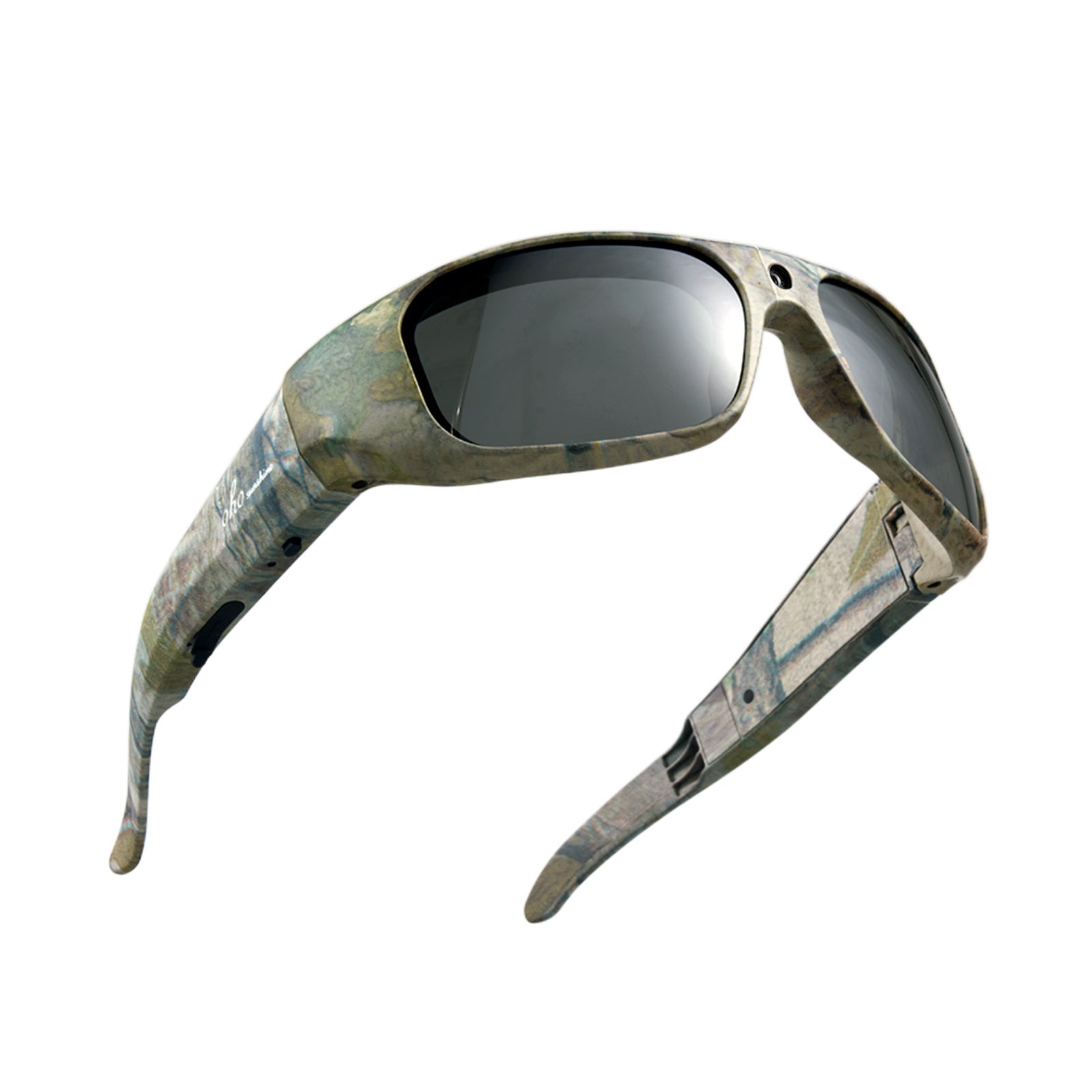


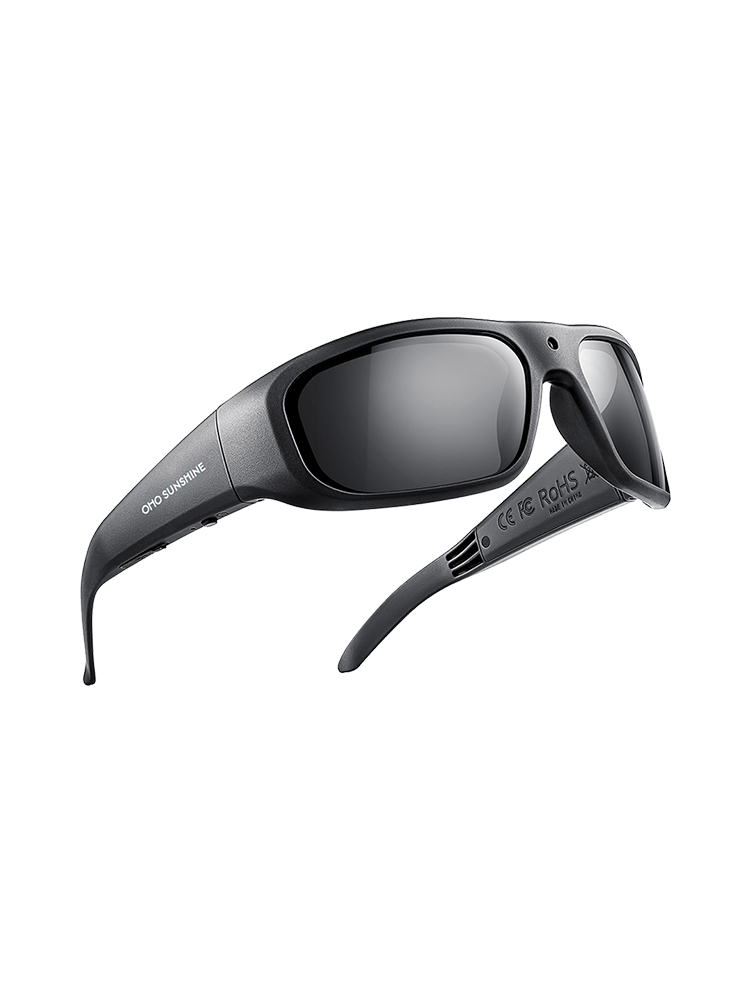


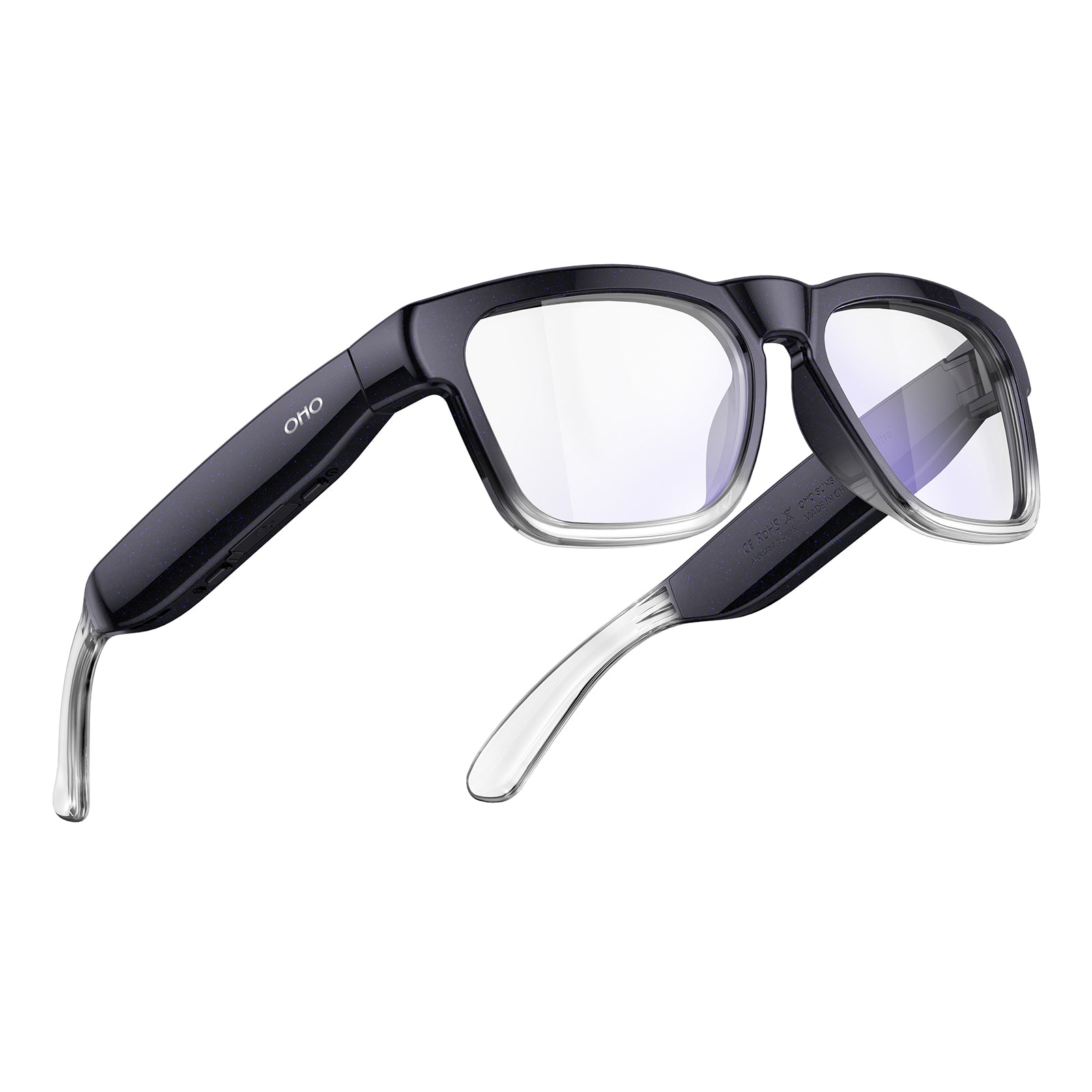








Business travelers can typically carry AI smart glasses through airport security and into customs, but the officer in front of you controls whether you can wear, activate, or use them during screening or questioning. TSA checkpoint officers make the final call on what passes screening, and CBP officers control admissibility decisions at U.S. ports of entry.
Pack the glasses so they are easy to remove, ask before turning them on, and be prepared to switch to a non-device backup immediately if directed.
Can You Bring and Use AI Translation Glasses at Airport Customs?
Carrying the glasses and actively using them are two different questions with two different answers. The checks below cover what changes as you move from your carry-on bag to the checkpoint to the interview itself.
Carrying the glasses is different from wearing them through screening
Packing a pair of AI smart glasses in your carry-on is usually fine, but a TSA checkpoint officer decides whether you can keep them on or need to remove them for screening, and additional screening can be required for any wearable electronics.
| Situation | Supported decision | Traveler action |
|---|---|---|
| Packed in carry-on | Generally treated as personal electronics | Keep them accessible for inspection |
| Presented at the checkpoint | TSA officer decides if it clears the checkpoint | Remove if asked; expect possible extra screening |
| Worn while approaching an officer | No automatic restriction, but officer discretion applies | Ask before keeping them on |
| Actively translating, recording, or using camera features | Conditional on explicit permission | Disable or remove unless you're told you may use it |
Customs use depends on officer instructions and device behavior
At a U.S. port of entry, CBP officers determine admissibility and control what happens during your inspection, including whether a translation device stays on. Listening through the glasses, triggering voice control, and using any camera or recording function are separate active-use questions, not one blanket category, so an officer may allow audio translation while still asking you to stop recording. Ask before wearing or activating the glasses during a border interview, and remove or disable them immediately if instructed. This same principle carries into any foreign customs or immigration checkpoint, where the specific rules will differ from U.S. guidance and depend on that country's own authority.
Check the battery and airline rules separately
Battery compliance is a separate question from screening or customs permission, and it depends on the actual watt-hour rating, not on advertised battery life.
- Identify the real watt-hour (Wh) rating for the glasses and any charging case, not just the marketed runtime.
- Apply the matching FAA category: batteries rated 0-100 Wh are allowed on passenger aircraft, 101-160 Wh batteries need airline approval, batteries over 160 Wh are forbidden, and spare batteries or power banks must stay in carry-on baggage.
- Confirm the operating airline's current policy, since a carrier can apply stricter rules than the FAA minimum.
Are AI Translation Glasses Useful for a Border Interview?
Live translation can help with basic comprehension, but only when you've tested it beforehand and the officer allows you to use it. It is not a substitute for a direct, verified answer or a working backup plan.
Where spoken translation can help
Real-time translation glasses can support basic comprehension before or during a low-stakes exchange, such as understanding a simple question or confirming a form, when use is actually permitted. That usefulness depends on whether you've tested the exact language pair, the audio path, and the phone or app pairing in conditions similar to the airport: background noise, a moving line, and a stranger's accent. Skipping that test before your trip is the main reason travelers get surprised by the glasses at the worst possible moment.
Why it cannot be the sole communication method
The glasses do not replace an officer's authority, your obligation to answer directly, or your ability to ask for clarification.
- Don't rely on translation glasses as your only way to answer a consequential question.
- Test your specific language pair, connection, and audio setup before you travel, not at the checkpoint.
- Stop using the glasses immediately, and remove or disable them, if an officer instructs you to.
- Keep a written or human backup ready in case the connection drops or the translation is unclear.
The shortest pre-travel decision path
- Check the departure airport's screening guidance, your operating airline's device and battery policy, and the destination's customs or immigration requirements.
- Verify the glasses' and case's actual watt-hour rating separately from the advertised working time, and pack any spare battery or power bank in carry-on baggage per the applicable rule.
- Test the translation feature before departure and carry written destination-language notes, key itinerary details, and a way to request a human interpreter if needed. Our airport connectivity backup plan walks through packing smart glasses so Wi-Fi, Bluetooth, or battery issues don't leave you stuck mid-trip.
- At screening or customs, ask before wearing or activating the glasses, and switch to your backup right away if you're told to stop or the translation fails.
Who may find a translation model worth bringing
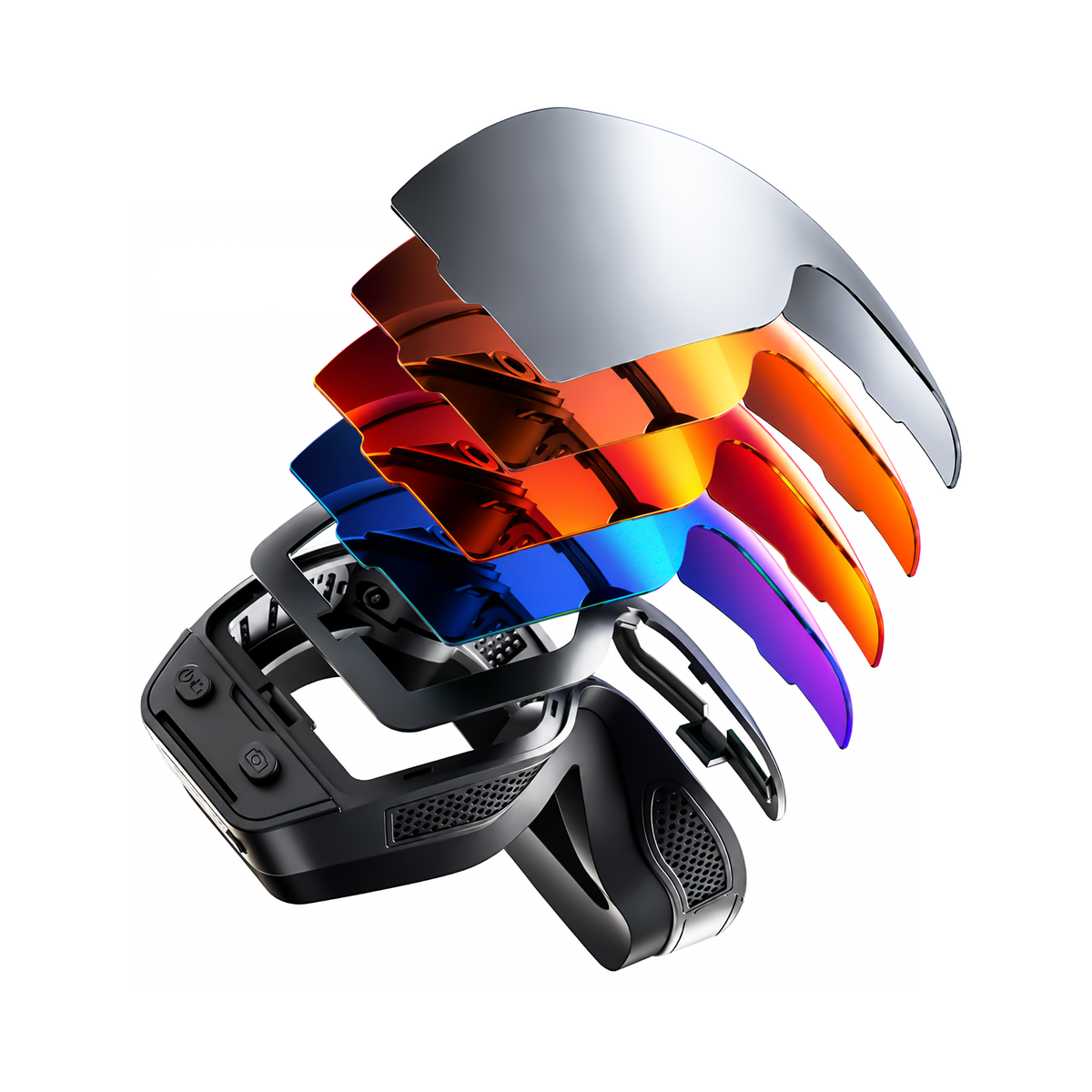
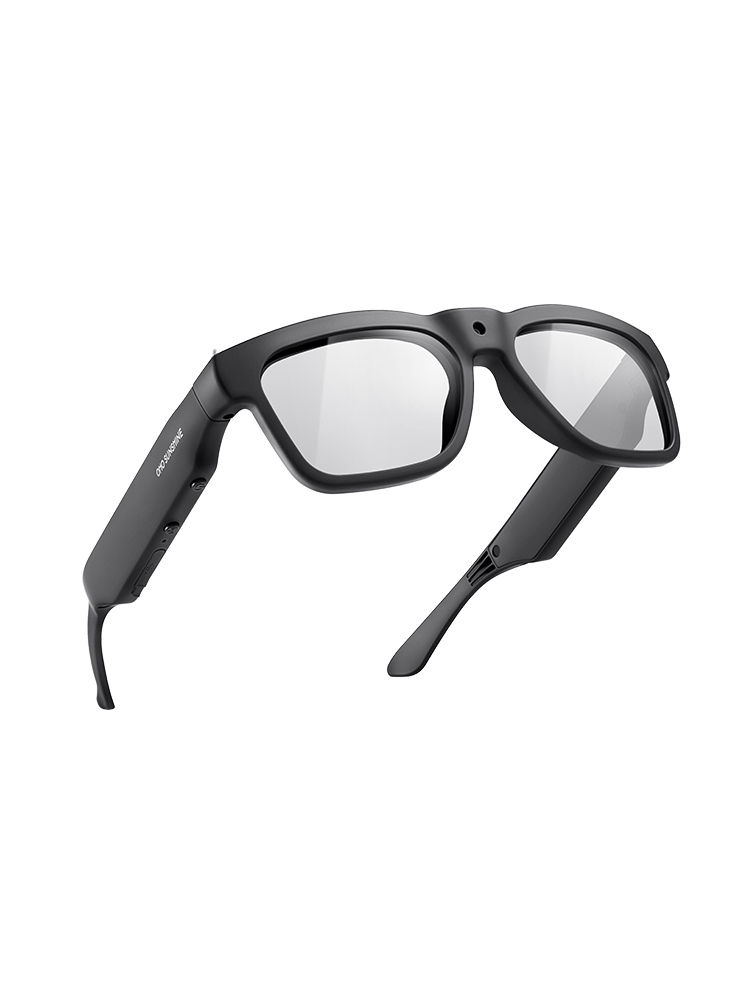
A traveler who wants optional audio support for casual exchanges, and who has a backup ready, may find a translation model worth packing; someone who needs guaranteed accuracy for a consequential interview should not depend on one. Our Elingo listing supports AI chat translation, real-time translation, Bluetooth audio, an open-ear speaker, voice control, and about 10 hours of listed working time, which fits a traveler who wants hands-free audio help during driving, commuting, or casual conversations abroad and wants to extend that same setup into a low-stakes airport exchange. That listing doesn't establish customs approval, translation accuracy, offline operation, or a specific battery watt-hour rating, so those checks still belong to you, not the product page. You can review the Elingo translation glasses directly, and if you specifically want smart glasses with a camera for hands-free photos, our AI translation glasses collection also lists an audio-plus-4K-camera option; the Elingo model covered here is the audio-and-translation version without a built-in camera.
FAQs
Does declaring the glasses make it okay to use them at customs?
No. Carrying or declaring a wearable device doesn't create automatic permission to wear, listen through, translate with, photograph, or record it during an inspection. Ask the officer first, and follow whatever instruction you're given, including a request to remove or turn off the glasses.

Can the glasses' 10-hour runtime show that they meet airline battery limits?
No. A working-time figure like 10 hours describes battery life, not a watt-hour rating, and FAA battery categories are based on watt-hours and battery configuration. Get the actual Wh rating for the glasses and any case, then check it against your airline's current policy before you fly.
What backup should a business traveler carry if live translation fails?
Carry written destination-language phrases, your key itinerary details, and a way to request a human interpreter or clarification. If the glasses lose connection, mistranslate, or aren't permitted, stop relying on them right away and switch to that backup instead of trying to troubleshoot mid-interview.
Carrying AI smart glasses through international security and customs is usually possible, but active use during screening or a border interview depends on the officer in front of you, not on the device itself. Confirm your airline's battery rule, test any translation feature before you travel, and keep a non-device backup ready. Ask before you wear or activate the glasses, and be ready to remove or disable them the moment you're told to.


Hinterlasse einen Kommentar
Diese Website ist durch hCaptcha geschützt und es gelten die allgemeinen Geschäftsbedingungen und Datenschutzbestimmungen von hCaptcha.