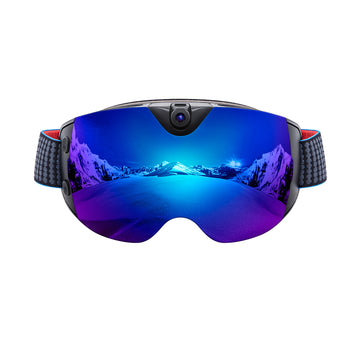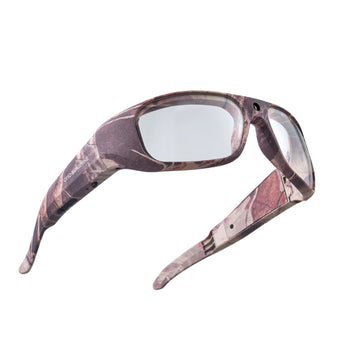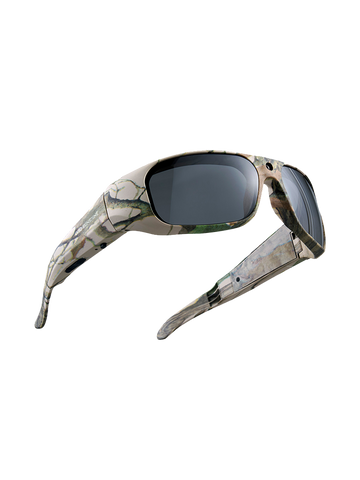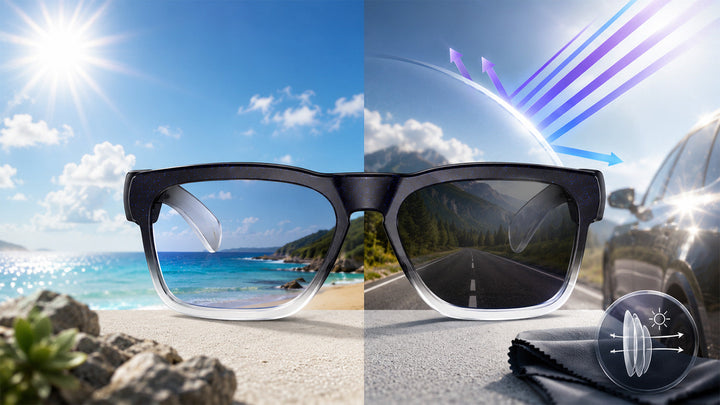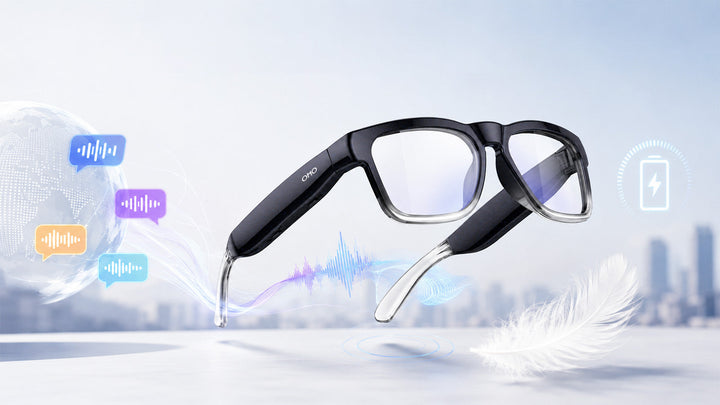

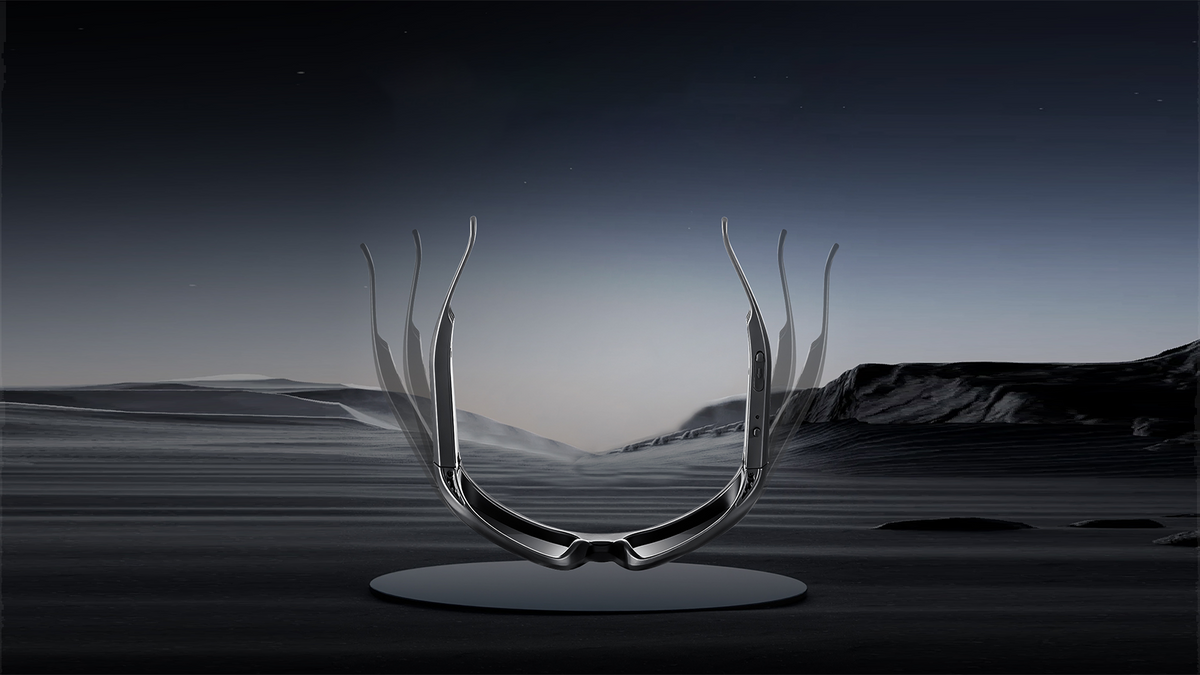
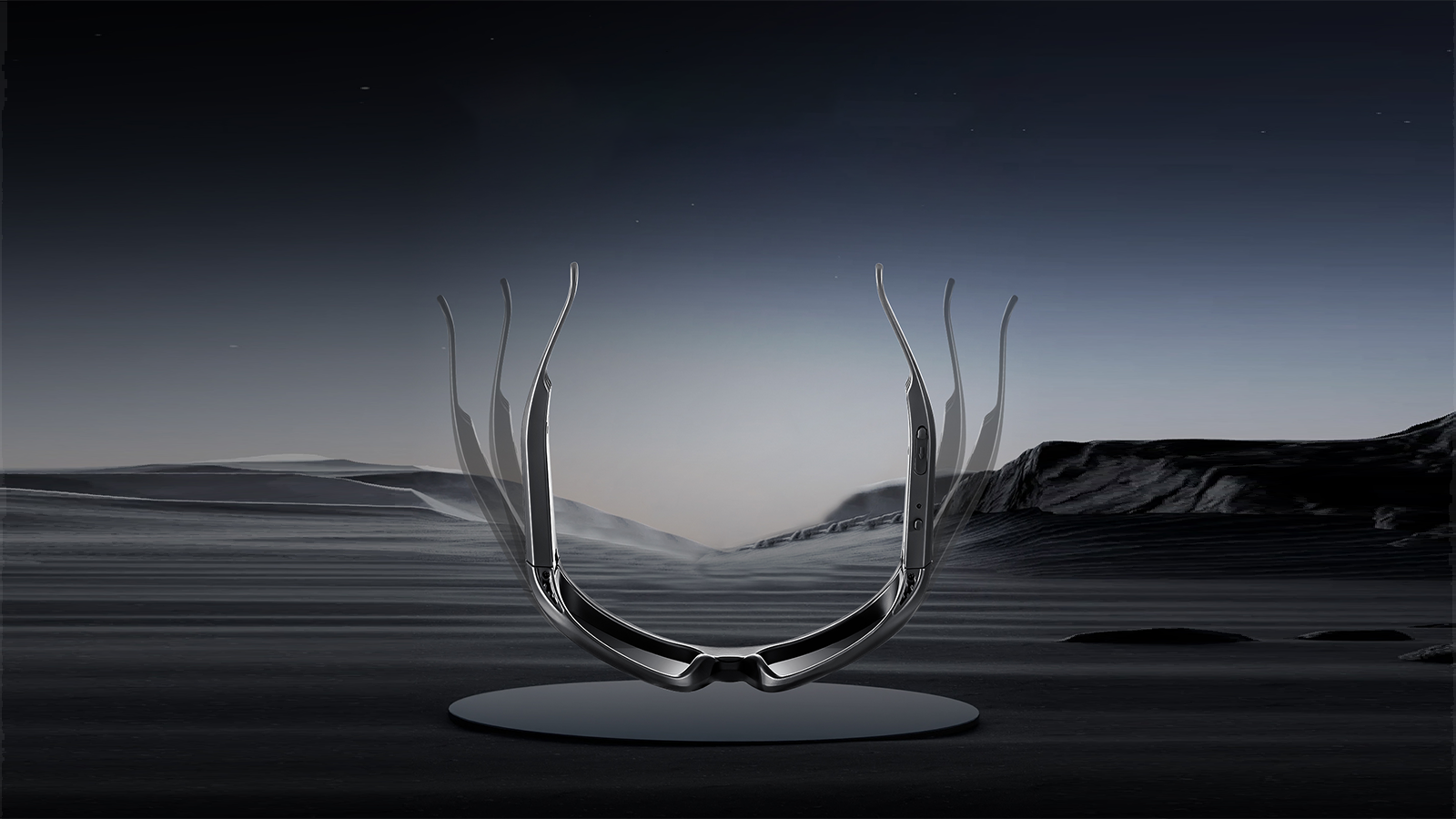
Not all sunglasses are built to keep up with you. When a camera is built into the frame, the material carrying that technology matters more than most people realize. TR90 glasses have become the go-to choice for action camera eyewear because they combine featherlight weight, serious flexibility, and all-day durability into one wearable package. Here is what makes this material stand out from everything else on the market.
What Makes TR90 Glasses Different from Regular Frames
TR90 is a thermoplastic material, meaning it is engineered through heat-based processing to achieve properties that standard plastics simply cannot match. It belongs to a category sometimes called "memory plastic" because the frame can flex under pressure and return to its original shape without cracking or warping.
Most traditional eyewear frames are made from acetate or standard nylon. These materials are rigid by nature. They look great on a shelf, but they were not designed with movement, impact, or outdoor stress in mind.

TR90 was. It was originally developed for high-performance applications where both weight and resilience were non-negotiable. The eyewear industry adopted it because it solved a problem that rigid materials never could: how do you make a frame that is light enough to forget you are wearing it, but tough enough to survive real use?
Key properties of TR90 at a glance:
- Extremely low density, resulting in a lightweight feel
- High flexibility without permanent deformation
- Strong resistance to heat, sweat, and UV exposure
- Hypoallergenic composition, suitable for sensitive skin
- Long-term color stability, even under direct sunlight
These properties work together rather than independently, which is why TR90 has become a benchmark material for sports and wearable tech eyewear alike.
Why Lightweight and Flexible TR90 Glasses Frames Are Built for Action Sports
When you are moving fast, your gear needs to move with you. Frame material plays a direct role in how secure, comfortable, and safe your eyewear feels during physical activity. TR90 delivers on all three fronts.
Weight Makes a Bigger Difference Than You Think
Lightweight glasses frames are not just about comfort. During action sports, every gram on your face affects how your eyewear sits, shifts, and stays in place.
Heavy frames slide down during sweaty sessions. They create pressure points during long wear. They bounce with impact rather than absorbing it. TR90 is one of the lightest frame materials available, which is why it remains the preferred choice for sport sunglasses designed for extended, high-activity use.
A frame that barely registers on your face is also a frame you are less likely to remove mid-activity, which matters when a camera is built into it.

Flexibility Is a Safety Feature, Not Just a Comfort Bonus
Flexible glasses frames are often marketed as comfortable. That is true, but the more important benefit in an action sports context is safety.
When a rigid frame takes a hit, it can crack or break apart. A TR90 frame under the same impact will bend, absorb the force, and return toward its original position. The material deforms without breaking, which dramatically reduces the risk of facial injury during falls, collisions, or equipment contact.
This is especially relevant for sports like cycling, skiing, surfing, and motocross, where the pace is high and contact with surfaces or other gear is always a possibility.
| Frame Material | Flexibility | Impact Behavior | Weight |
| TR90 | High | Bends and recovers | Very light |
| Acetate | Low | Cracks or shatters | Moderate |
| Standard Nylon | Medium | May snap under stress | Light to moderate |
| Metal | None | Bends permanently | Heavier |
The table above gives a quick comparison of how TR90 stacks up against common alternatives. As shown, TR90 is the only material that combines high flexibility with lightweight construction and a safe impact response.

How TR90 Sport Sunglasses Hold Up in Heat, Sweat, and Outdoor Conditions
Outdoor environments are not controlled. Temperatures spike. Sweat accumulates. Sunscreen, insect repellent, and other chemicals come into contact with your gear constantly. Most frame materials degrade under these conditions over time. TR90 is engineered to handle them.
Here is what TR90 resists in real outdoor conditions:
- Heat: TR90 maintains its shape across a wide temperature range. Leaving your glasses in a hot car or wearing them in direct summer sun will not cause warping.
- Sweat and moisture: The material does not absorb moisture, so prolonged sweat contact will not weaken the frame structure or cause discoloration.
- Chemicals: Common outdoor products like sunscreen and bug spray can degrade acetate and standard plastics over time. TR90 holds up significantly better against chemical exposure.
- UV radiation: While the lenses handle UV protection for your eyes, the frame itself also needs to resist UV degradation. TR90 does not yellow or become brittle from extended sun exposure.
For sport sunglasses that are worn regularly in demanding outdoor environments, this kind of material-level resilience translates directly to a longer product lifespan.
Can TR90 Glasses Handle a Built-In Camera and Still Stay Light and Stable?
Adding electronic components to a frame sounds like it would make the whole thing heavier, bulkier, and less practical for actual sports use. The short answer is that TR90 handles it well. The longer answer is worth walking through.
Why TR90 Works for Camera-Integrated Eyewear
The low density of TR90 offsets the added weight of embedded components better than almost any alternative frame material. The result is a finished product that still falls within a weight range that most wearers describe as comfortable for extended use.
Beyond weight, the flexibility of TR90 matters here too. Camera components need a frame that can absorb minor impacts and vibrations without transmitting that force to the lens module. A rigid frame would pass every bump and jolt directly into the hardware. TR90 acts as a buffer, which contributes to longer component life and a more secure fit during fast movement.
EIS Stabilization and What It Means for Action Footage
Even with a well-designed frame, fast movement creates footage that looks shaky. This is where EIS, or Electronic Image Stabilization, becomes relevant.
EIS is a software-based technology built into some camera glasses that analyzes motion data in real time and compensates for unintended movement during recording. The result is smoother footage without any physical gimbal or external accessory.
For sports like mountain biking, skiing, or trail running, the combination of a stable TR90 frame and EIS processing means the footage captured from your point of view is actually usable. Without stabilization, even minor vibrations from terrain contact can render footage too choppy to watch.
Together, a TR90 frame and EIS stabilization address both the physical and digital sides of the stability problem.
Choose Smarter, Wear Better
TR90 glasses frames bring together everything action sports demand: low weight, genuine flexibility, outdoor durability, and the structural integrity to carry integrated camera technology without compromise. Add EIS stabilization into the equation and you have eyewear that does not just record your adventures, but records them clearly. If frame material has ever been an afterthought in your gear decisions, it is worth a second look.
FAQs about TR90 camera glasses
Q1. Which Is Better, TR90 or Polycarbonate?
TR90 and polycarbonate serve slightly different priorities. Polycarbonate is known for its optical clarity and impact resistance, while TR90 offers greater flexibility, lighter weight, and stronger resistance to heat and chemical exposure for most active use cases. For wearable tech applications where the frame needs to house electronics and stay comfortable during extended activity, TR90 is generally the stronger fit.
Q2. Is TR90 Plastic Safe?
TR90 is considered safe for skin contact and long-term wear. It is a hypoallergenic material that does not contain BPA, nickel, or the chemical plasticizers commonly found in lower-grade frame plastics. It is widely used in sports and medical-grade eyewear precisely because of its biocompatibility and low irritation profile, making it a reliable choice for people with sensitive skin.
Q3. Can TR90 Frames Handle Repeated Bending Over Time?
TR90 is designed for repeated flex cycles, not just a one-time bend. The memory plastic structure allows the frame to return to its original shape after deformation, which means normal handling, fitting adjustments, and incidental impacts during sports should not cause permanent distortion.
Q4. How Does EIS Stabilization in Camera Glasses Actually Work?
EIS, or Electronic Image Stabilization, uses sensor data to detect movement during recording and applies real-time digital corrections to the video output. It works without any moving parts or external accessories, processing everything internally within the camera module. The stabilization is particularly effective at reducing the high-frequency vibrations common in sports like cycling or running, where terrain contact creates constant micro-movements in the frame.