





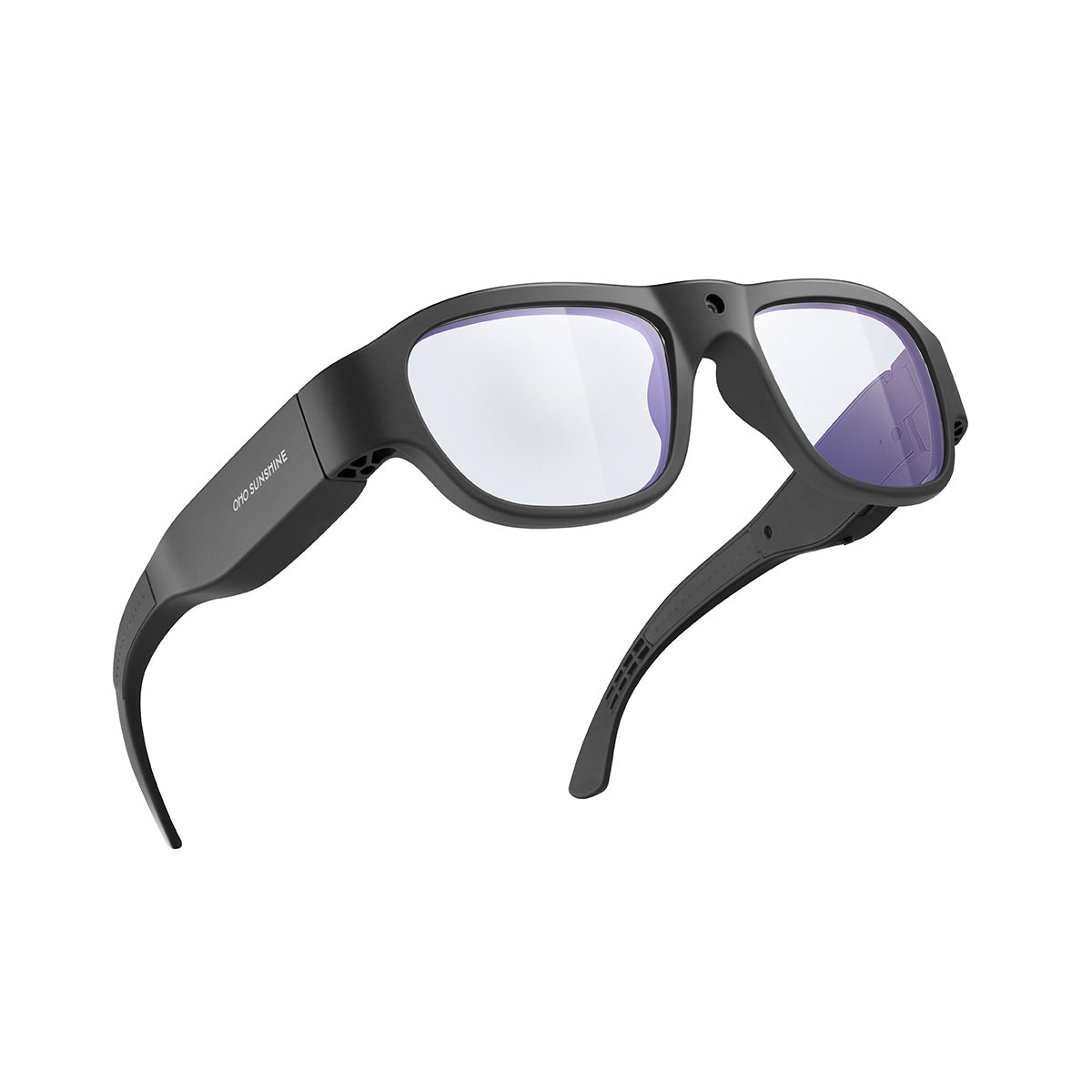

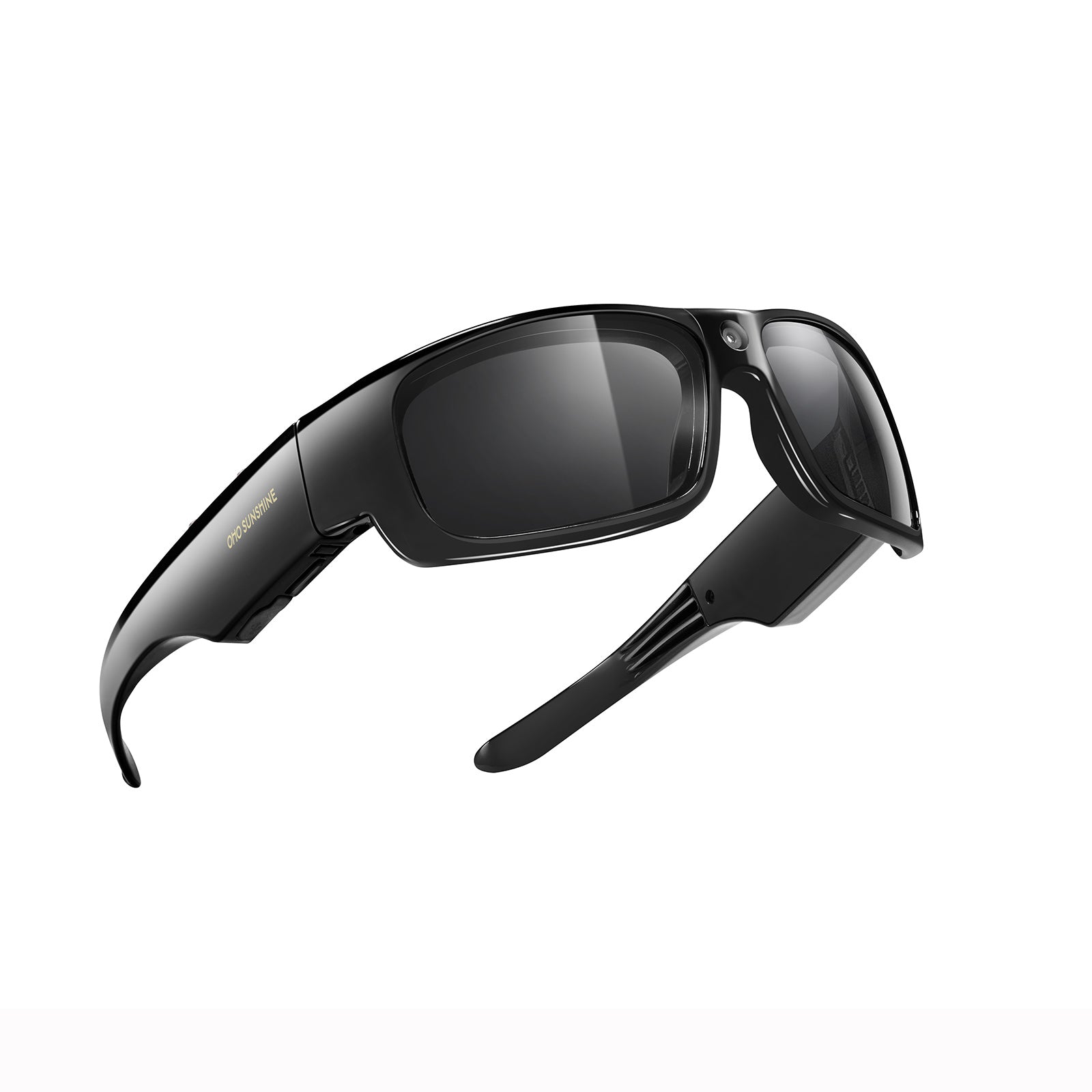


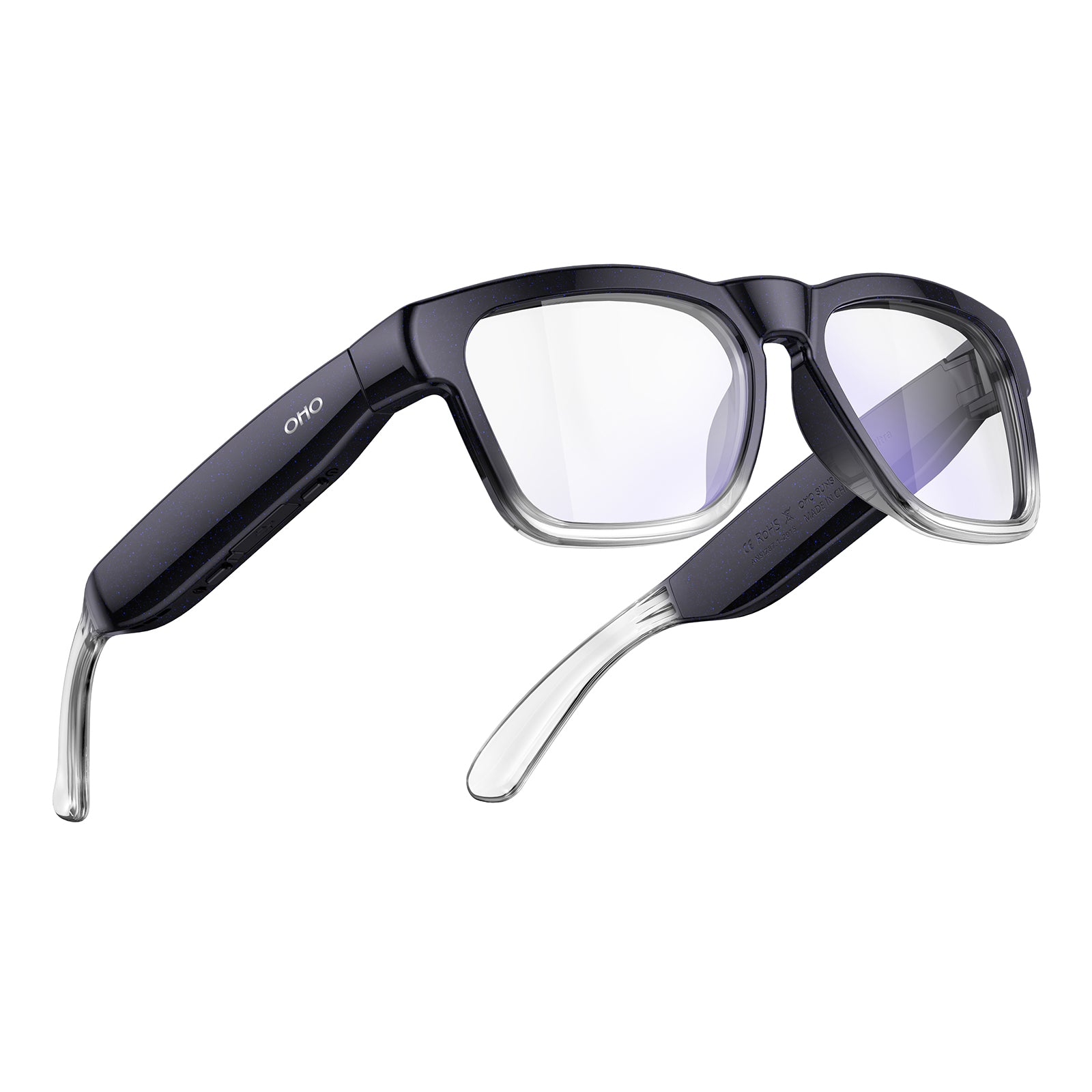
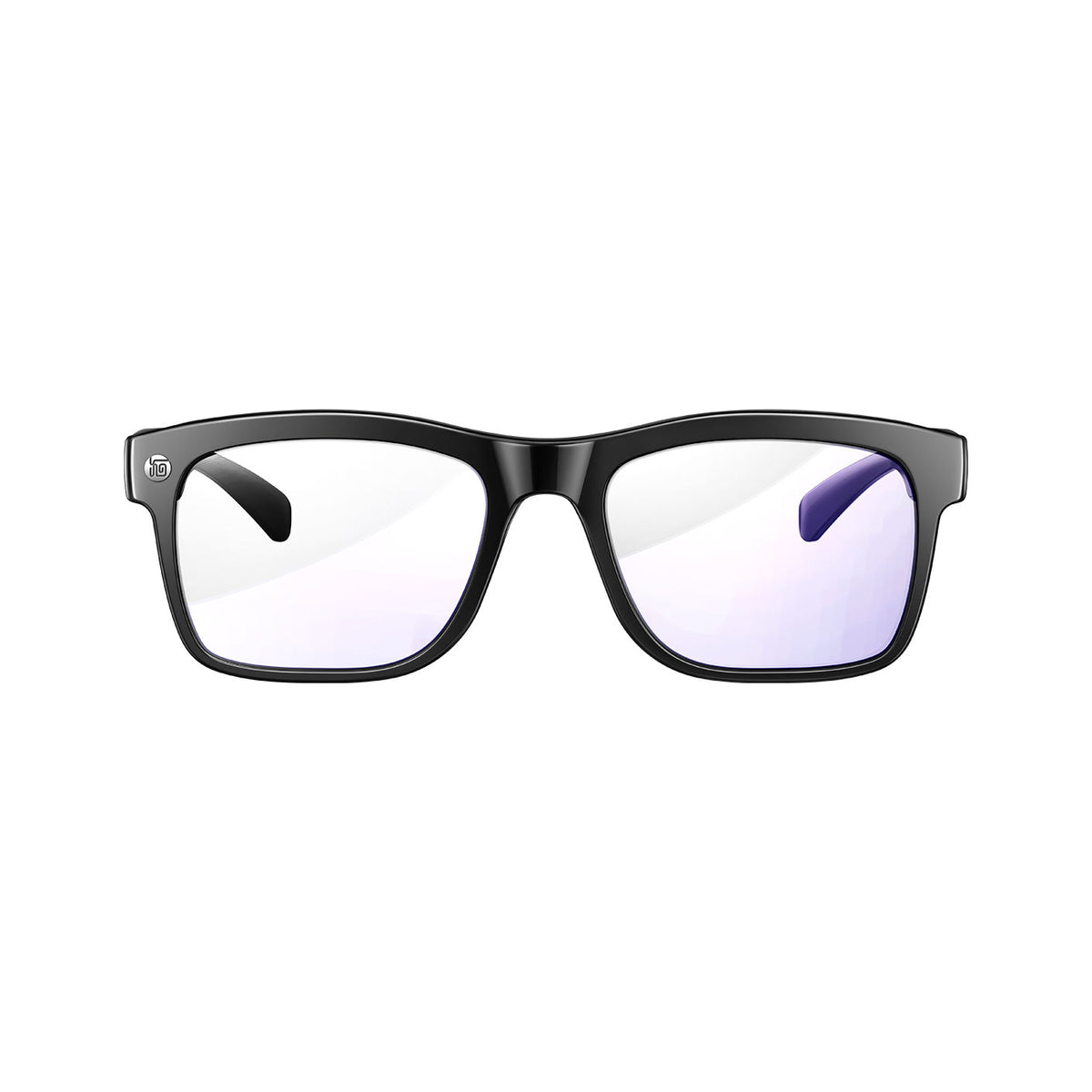


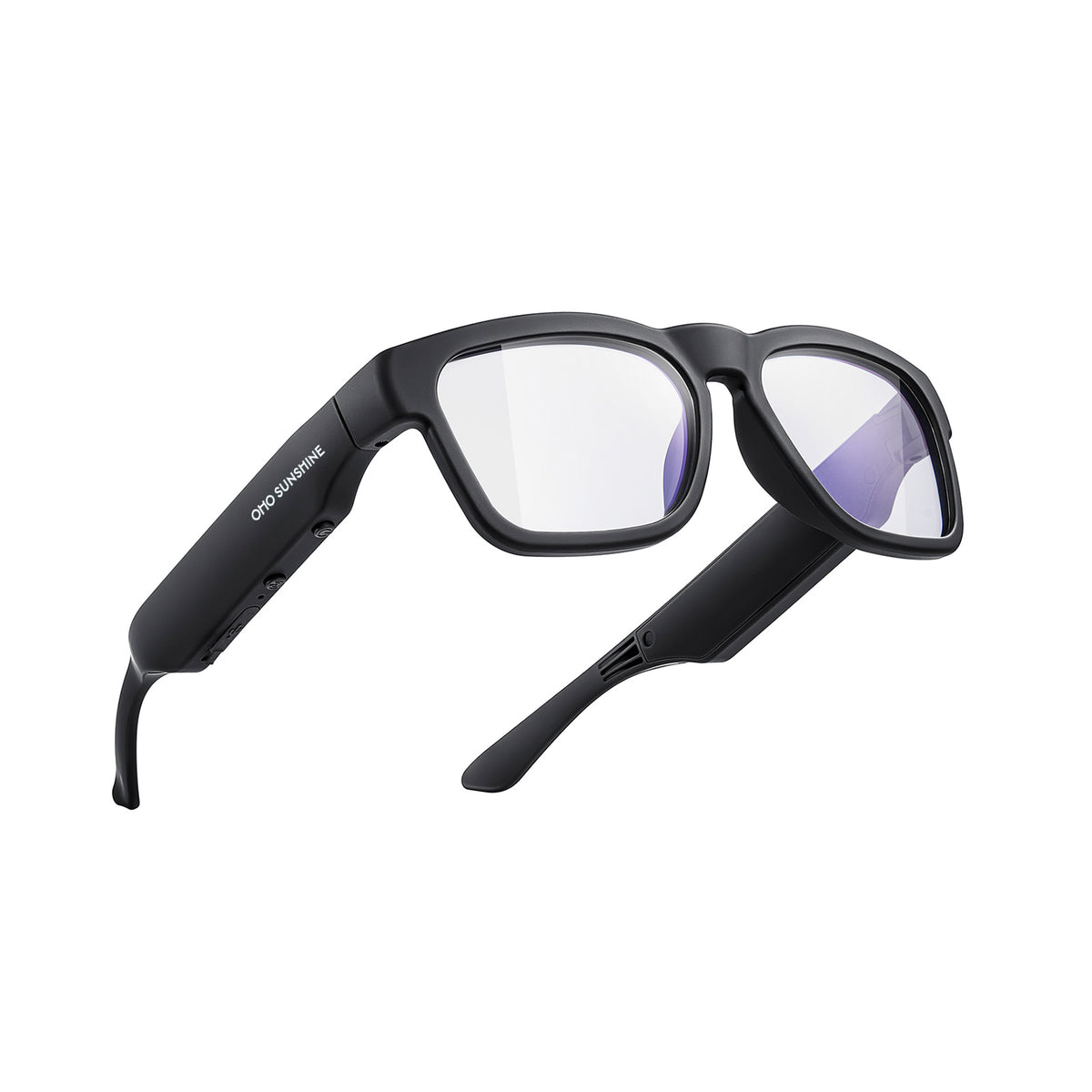


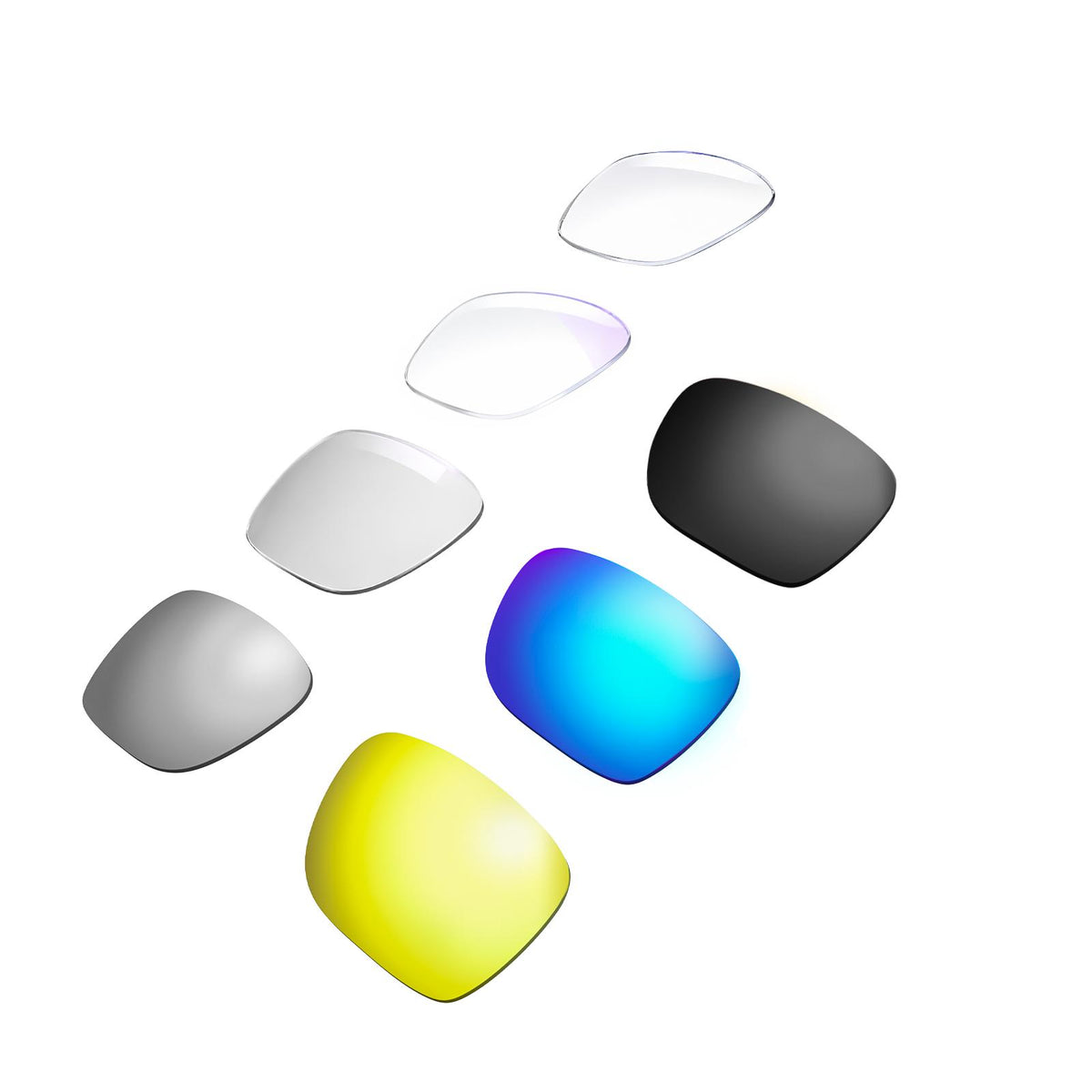
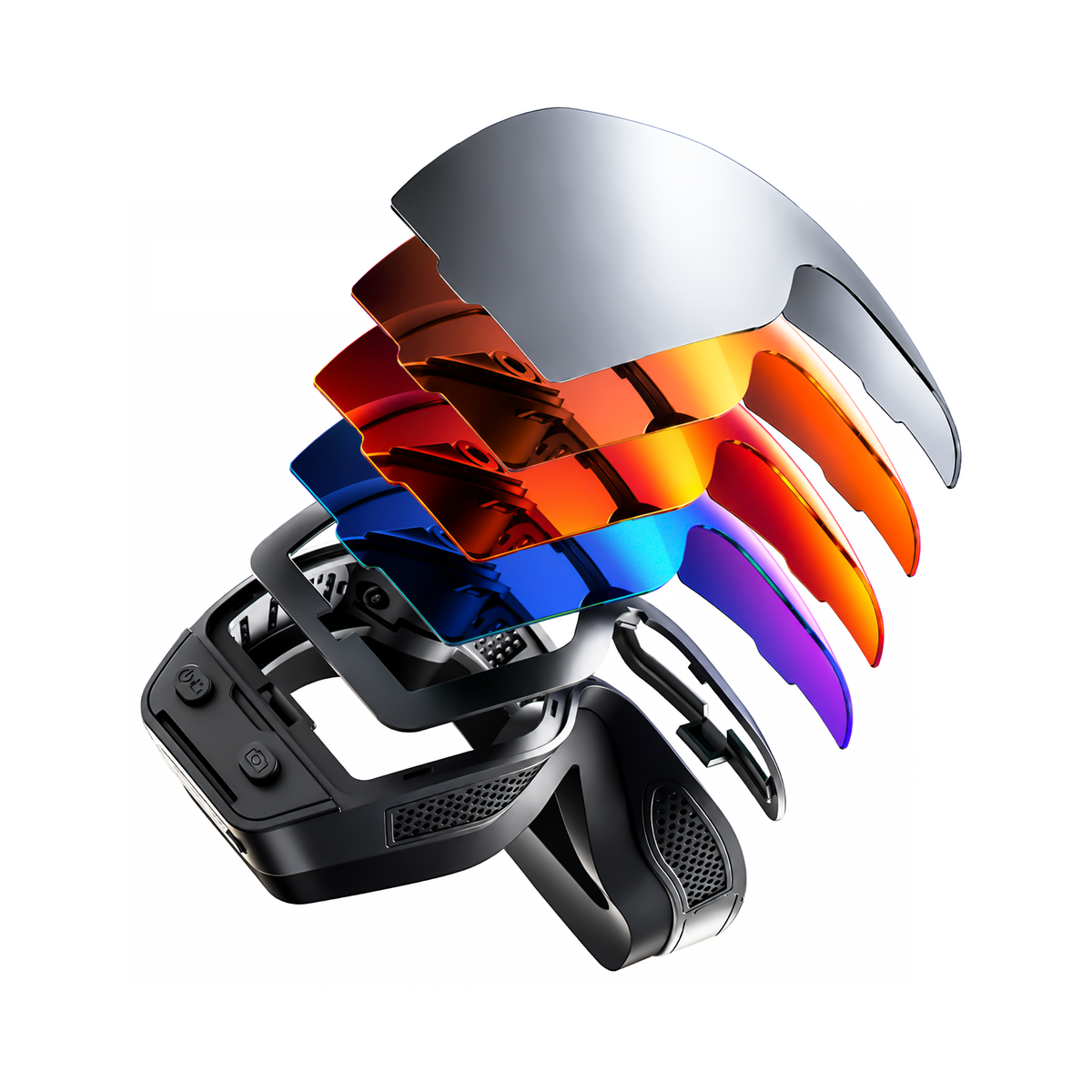



Photochromic prescription lenses can be a good fit for a daily commute that keeps moving you between indoor spaces and brighter outdoor light, such as walking to a train or crossing a city on foot.
They change tint gradually rather than instantly, and they are not the same as polarized lenses, which cut reflected glare. If you drive, check how your exact lens behaves behind car windows before you rely on it, because the answer can change once you are inside a vehicle.
What Photochromic Lenses Do on a Commute
A photochromic lens darkens automatically in bright light and becomes lighter in low light. For a commuter, that means one pair stays clear indoors and darkens outside without requiring a swap to separate sunglasses. However, that tint adjustment is gradual rather than instantaneous.
The American Academy of Ophthalmology describes photochromic and polarized lens differences as separate functions, and gives general timing: most darkening happens in about half a minute, while lightening takes about five minutes. Treat those figures as a general description, not a spec for any particular lens.
That timing matters most when you go from bright outdoors back inside. The lens may still be partly tinted for a few minutes when you step into a dim lobby or subway car. If you can live with that short lag, the convenience usually holds up. If you need full clarity the moment you walk in, plan for it. For more on what affects tint speed, our tint adaptation guide goes deeper.
Glare is a different problem. Polarized lenses cut reflected sunlight that bounces off smooth surfaces like pavement, car windows, chrome, or water. A photochromic lens that darkens does not by that fact alone become polarized. So name your main need first. If you mostly want one pair that adjusts to changing light, photochromic lenses address that. If reflections off wet roads or windshields are what bother you, look at a polarized option instead. The AAO notes that polarized lenses can be particularly useful for driving, but polarization itself has nothing to do with UV absorption, so check the label for UV protection there too.

Which Commute Pattern Fits Best?
Walking or Transit
Think of a route that starts at home, goes out to a bus stop, through a covered station, and then out again to a short walk into work. Each step changes the light. This is where photochromic lenses make the most sense, since they react to those shifts without you switching glasses. The lens keeps adjusting through the trip, so it may lag behind fast changes, like a quick dash through a sunny gap between two buildings. If your route mixes modes, judge each part separately. A walk to a parking garage followed by a drive is really two commutes with two different light conditions. If you already wear smart glasses on this kind of route, adding light-adaptive prescription lenses to your smart glasses lets one pair handle both the platform and the office; we cover those options below.
Driving
Driving changes the picture. According to the AAO, car windows can limit photochromic darkening because they block UV light, which can keep some lenses from darkening fully. Some lenses are designed to work better in cars, so the check is about your exact lens behind your windshield. Ask your eye doctor or lens provider how that specific lens performs in a vehicle. Quality also varies: the AAO notes that some brands darken more than others and some take longer to adjust, so ask your eye care professional which one fits your needs. Do not count on an unverified photochromic tint for driving. If your lens does not get dark enough for your needs, wear another suitable pair of prescription sunglasses on the road.
A Store Option for Compatible Frames
If you already own one of our smart glasses and your commute is mostly walking or transit, our photochromic prescription lenses are built for that kind of changing-light day. With the Photochromic lens type selected, they stay clear indoors and darken automatically in brighter outdoor light, so the same frames can take you from the train platform to your desk. We make them as custom prescription lenses in single vision or progressive, with index options of Standard 1.56 for mild prescriptions (SPH -4.00 to +4.00), Thin 1.60 up to ±6.00, Thin 1.67 up to ±10.00, and Extra Thin 1.74 for stronger prescriptions up to ±12.00.

Fit comes first. These lenses replace the originals only on listed compatible models, including Alite, Alite Elite, Elingo, Touch, GlobeEar, Sunblazer, Livi, Edge, Edge Pro, Ease, Pulse, Focus, Vidsoul, Brave, Primex, and EIS, and the frames are not included. If you are still choosing frames, start with our prescription smart glasses and confirm the model before ordering lenses. If reflected glare is your main concern, the same lens order also offers a Polarized Black type, which is the better match for that need.
Conclusion
Photochromic prescription lenses suit a walking or transit commute with frequent indoor and outdoor light changes, as long as a gradual tint shift works for you. They are not a glare solution, so choose polarization if reflections are the real issue. Drivers should confirm how the exact lens performs behind car windows before relying on it, and keep a separate tinted pair ready if it falls short.
FAQs
Does cold weather affect how photochromic lenses adjust?
Yes. The AAO notes that cold weather can slow adjustment, so lenses take longer to change on cold days. On a winter commute, expect the tint to shift more slowly than it does in mild weather, and allow a little extra time after you step indoors or out.
Does a darker photochromic tint confirm UV protection?
No. How dark a lens looks does not tell you how well it blocks UV light. Photochromic lenses may be good UV-absorbing sunglasses, but AAO guidance advises checking the label for UV protection, since the label must state that benefit.
Can photochromic lenses be made for every prescription?
Not necessarily every one, but most. The AAO says these lenses can be made to fit most prescriptions, including bifocals and progressives. Availability still depends on the specific lens, so confirm that your exact prescription and lens index are offered before you order.


댓글 남기기
이 사이트는 hCaptcha에 의해 보호되며, hCaptcha의 개인 정보 보호 정책 과 서비스 약관 이 적용됩니다.