














Polarized ski goggle lenses cut down harsh glare bouncing off bright snow, which is why they earn their reputation on sunny, wide-open runs. That same glare-cutting filter can also mute the reflective cues some skiers use to spot icy patches on hard-packed terrain, so polarization alone doesn't settle icy-slope or changing-light situations. The better approach is matching the lens to your dominant mountain condition, then checking the specific tint and visible light transmission (VLT) before you buy.
Polarized vs. Non-Polarized Ski Goggles: What Changes on the Mountain?
Polarized and non-polarized ski goggle lenses solve different problems, and neither one is the safer choice in every condition. Your decision should follow the type of glare and terrain you actually face, not the label printed on the box.
What Polarization Changes—and What It Does Not
A polarizing filter's main job is to reduce glare from sunlight bouncing off snow, ice, or water, which is why goggles built around this filter feel more comfortable in blinding, reflective light. That's a separate function from the goggle's basic job of shielding your eyes from wind, blowing snow, and ice particles on the way down the mountain, and standard ski goggles protect your eyes regardless of whether the lens is polarized. Polarization also isn't the same thing as tint or VLT, the two specs that decide how much overall light reaches your eyes. A lens can be polarized and still be too dark for a cloudy day, or non-polarized and still transmit plenty of light on a bright one. Because the label only tells you about glare filtering, it doesn't by itself tell you whether a lens is safe for ice, shade, or a fast-changing run, so treat "polarized" and "non-polarized" as one input among several rather than a full verdict.
Bright, Reflective Snow: When Glare Reduction Comes First
Open, sunlit alpine terrain is the clearest case for considering a polarized lens. When the sun reflects hard off wide snowfields, a polarizing filter reduces glare enough to make long runs more comfortable on the eyes, which matters most once the discomfort itself starts affecting how long you want to stay out. That comfort benefit doesn't automatically translate into better hazard detection, though; a polarized lens does not prove you'll spot a mogul, a patch of ice, or another skier any sooner than a non-polarized one would. If bright, reflective snow is genuinely your main condition and you don't spend much time reading subtle surface texture, glare reduction is a reasonable priority to lead with.

Icy or Hard-Packed Slopes: When Surface Cues Matter
If reading ice, crust, and other surface changes matters more to you than glare comfort, don't choose a lens from the polarized-or-not label alone. Some ski retailers warn that traditional polarized filters can mute the subtle reflective differences skiers use to tell ice apart from packed snow, which is a commercial observation rather than an independent safety finding, so treat it as a reason to verify rather than as proof either lens type is universally safer. In practice, that means checking the exact lens technology a goggle uses, not just whether the word "polarized" appears on the listing, and testing visibility in conditions similar to what you'll actually ski. If a lens leaves ice, terrain texture, or a changing-light run unclear once you're out on the mountain, don't keep skiing on the assumption that polarization is compensating; swap lenses or hold off on that run until you're using a setup you can see through clearly.
Clouds, Shade, and Changing Visibility
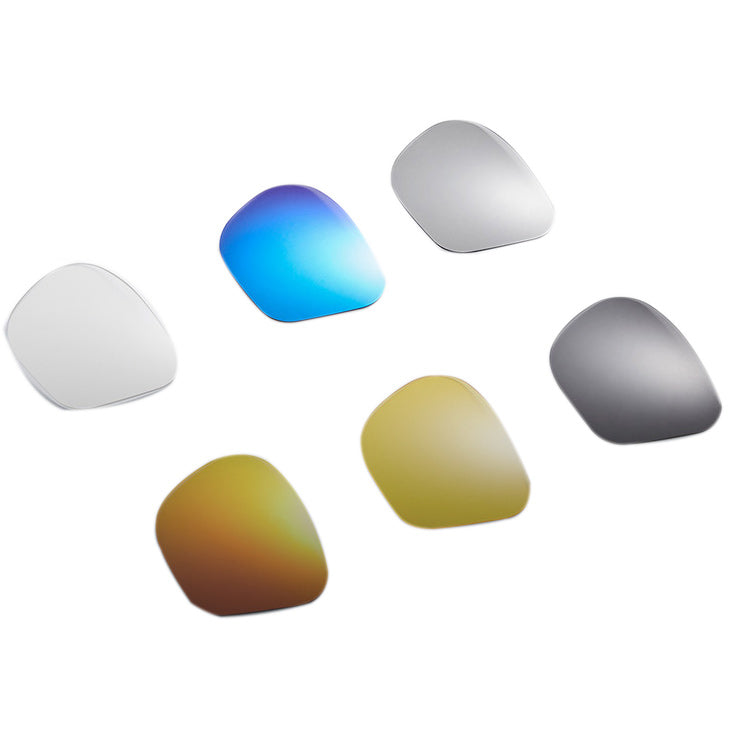
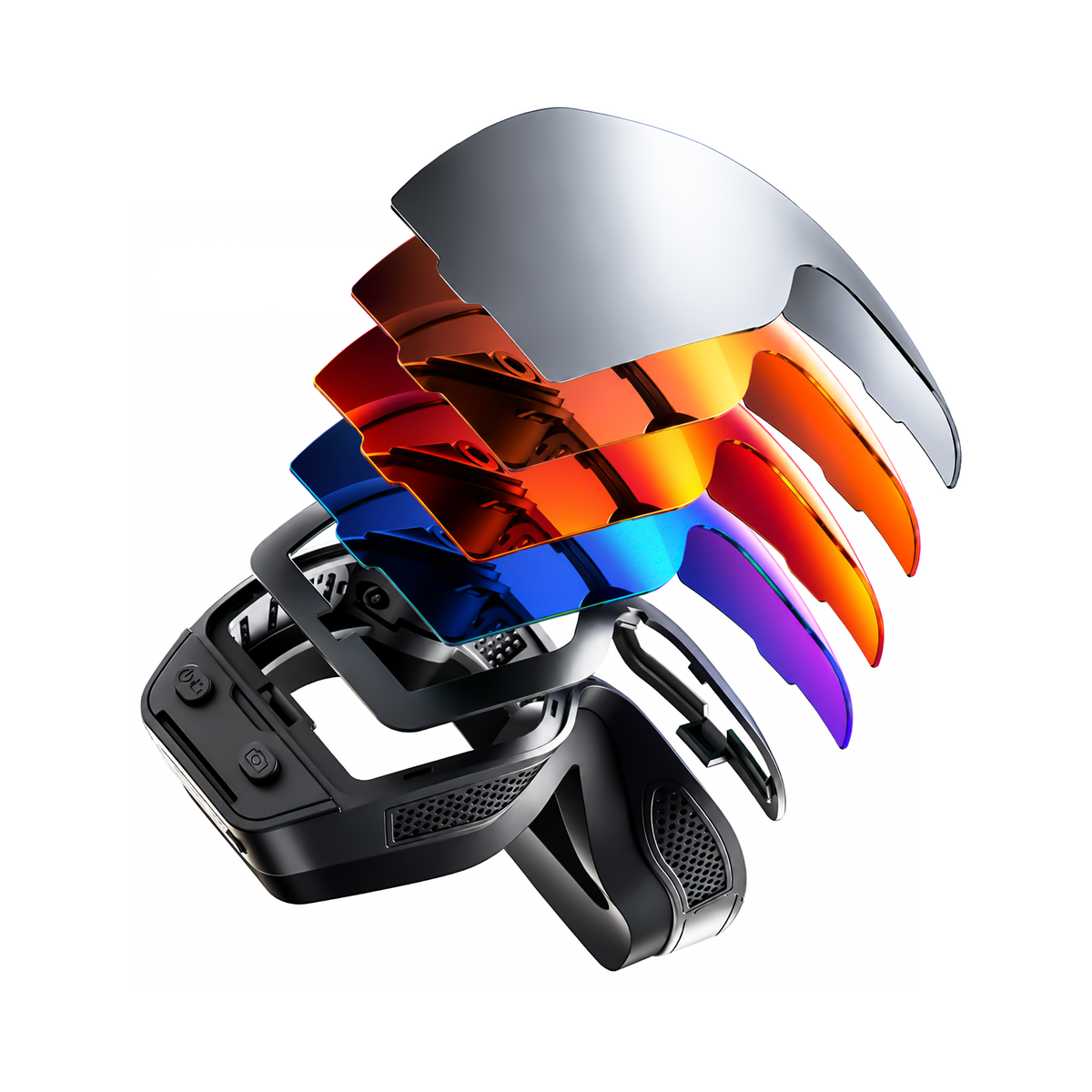
When a run moves between full sun, tree shade, and flat overcast light, VLT and tint matter more than whether the lens is polarized. Lighter, higher-VLT lenses generally let in more light and work better on cloudy or low-light days, while darker, lower-VLT lenses cut more light for bright, direct sun, and VLT and lens tint are specified separately from any polarization claim. A single static lens is always a compromise once conditions start shifting during the same run, so check the manufacturer's stated VLT rather than assuming a dark, polarized lens will still read clearly once you duck into the trees. Our lens tint guidance breaks down which tint ranges tend to fit bright versus cloudy snow days if you want to narrow that spec before comparing goggles.
Where Camera and Anti-Fog Features Fit
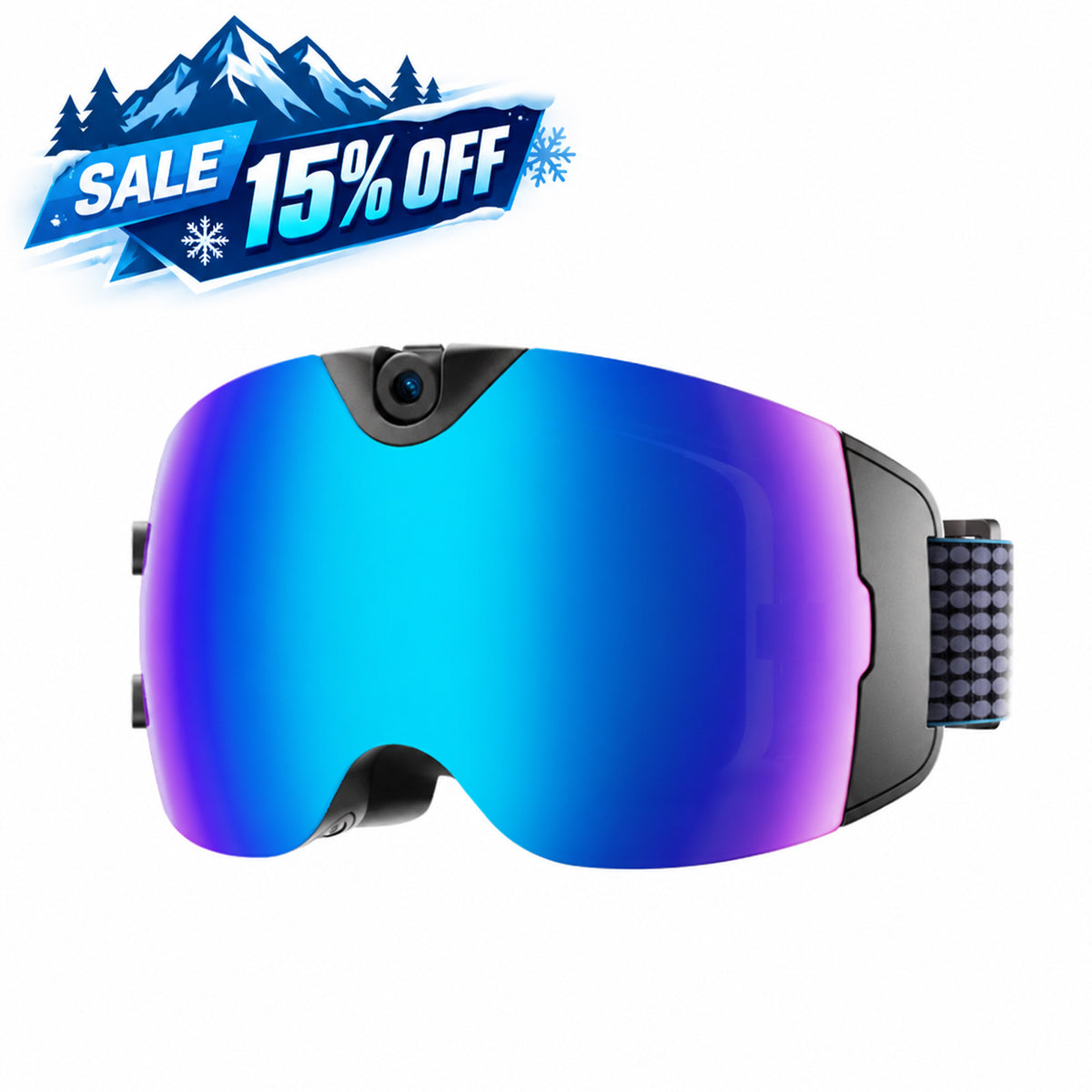
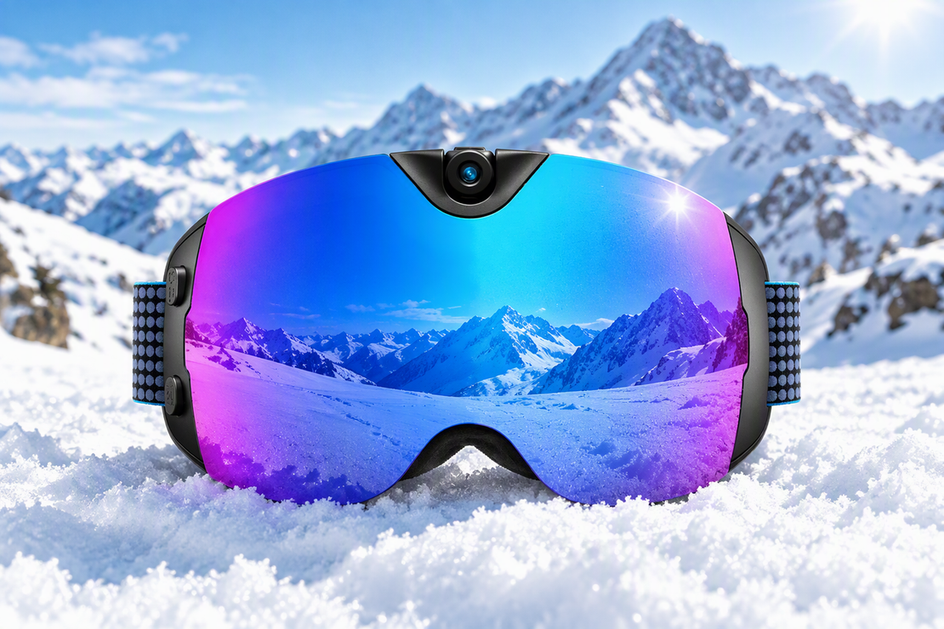
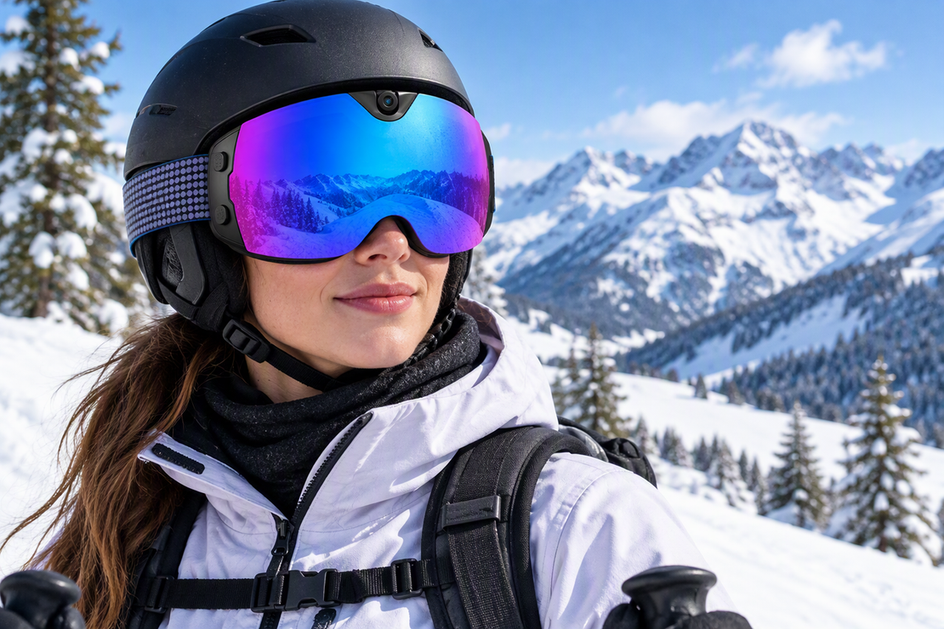
Once you've settled the lens-treatment question, camera and anti-fog features become a secondary comparison point rather than a reason to change your answer. Our Skyshot goggles pair a polarized lens with an anti-fog coating, a 140-degree wide-angle 4K camera, and 24-megapixel photo capture, so if you already want a polarized goggle that can also record and stay fog-free, those specs support that use case. None of those features establish this goggle's VLT or its performance on icy or mixed-light terrain, since the camera and fog resistance are separate from how the lens handles glare and surface cues. If you'd rather browse recording-capable options after you've picked your lens priority, our camera ski goggle collection groups goggles built around that feature set, and the Skyshot camera ski goggles listing has the full spec sheet if the polarized-plus-camera combination fits what you decided above.

FAQs
Is polarization the same as VLT?
No. Polarization filters out glare from reflected sunlight, while VLT measures how much visible light passes through the lens overall. A lens can be polarized and still have a high or low VLT, so check both specs separately instead of assuming one covers the other.
Can camera or anti-fog features make up for the wrong lens treatment?
No. A camera adds recording, and an anti-fog coating manages moisture buildup on the inside of the lens, but neither one changes how the lens filters glare, transmits light, or reads ice and terrain texture. Confirm the lens treatment and VLT fit your conditions first, then treat features like the Skyshot's 4K camera and anti-fog lens as a bonus rather than a fix for the wrong lens.
What should I verify if a ski-goggle listing does not state VLT?
Look for the manufacturer's specific lens description and stated VLT rather than guessing from the lens color or the word "polarized" alone. If that information isn't available anywhere on the listing, don't treat the goggle as a confirmed fit for icy terrain or fast-changing light until you can verify it, since color and polarization alone don't reliably predict how a lens performs in those conditions.



留言
此網站已受到 hCaptcha 保護,且適用 hCaptcha 隱私政策以及服務條款。