



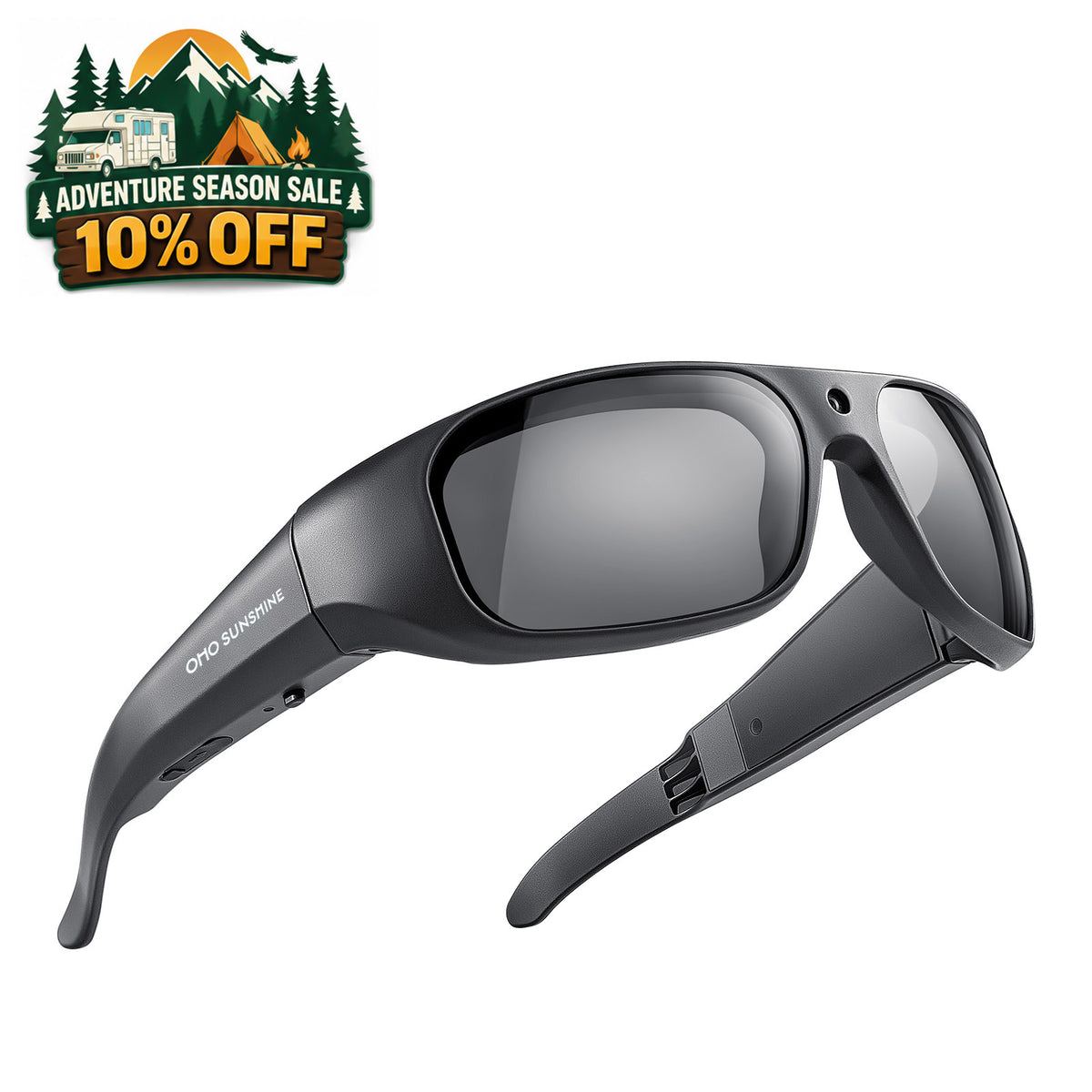


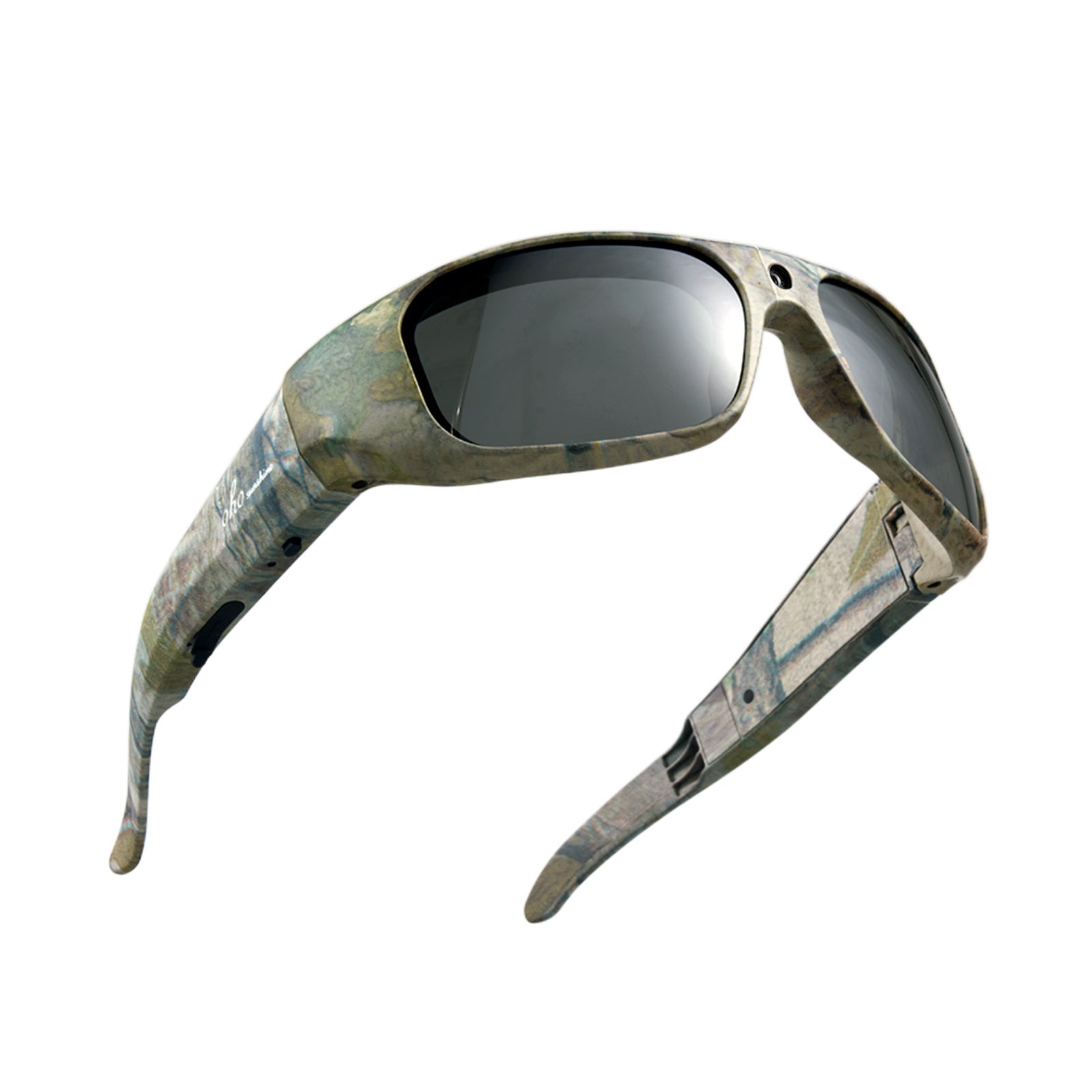


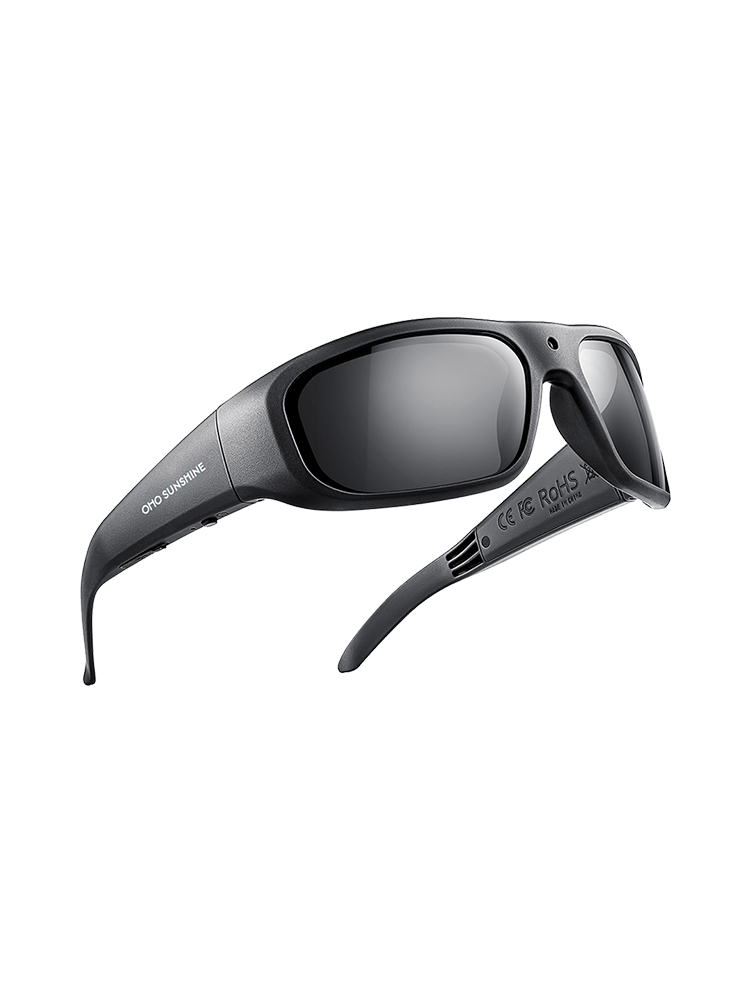


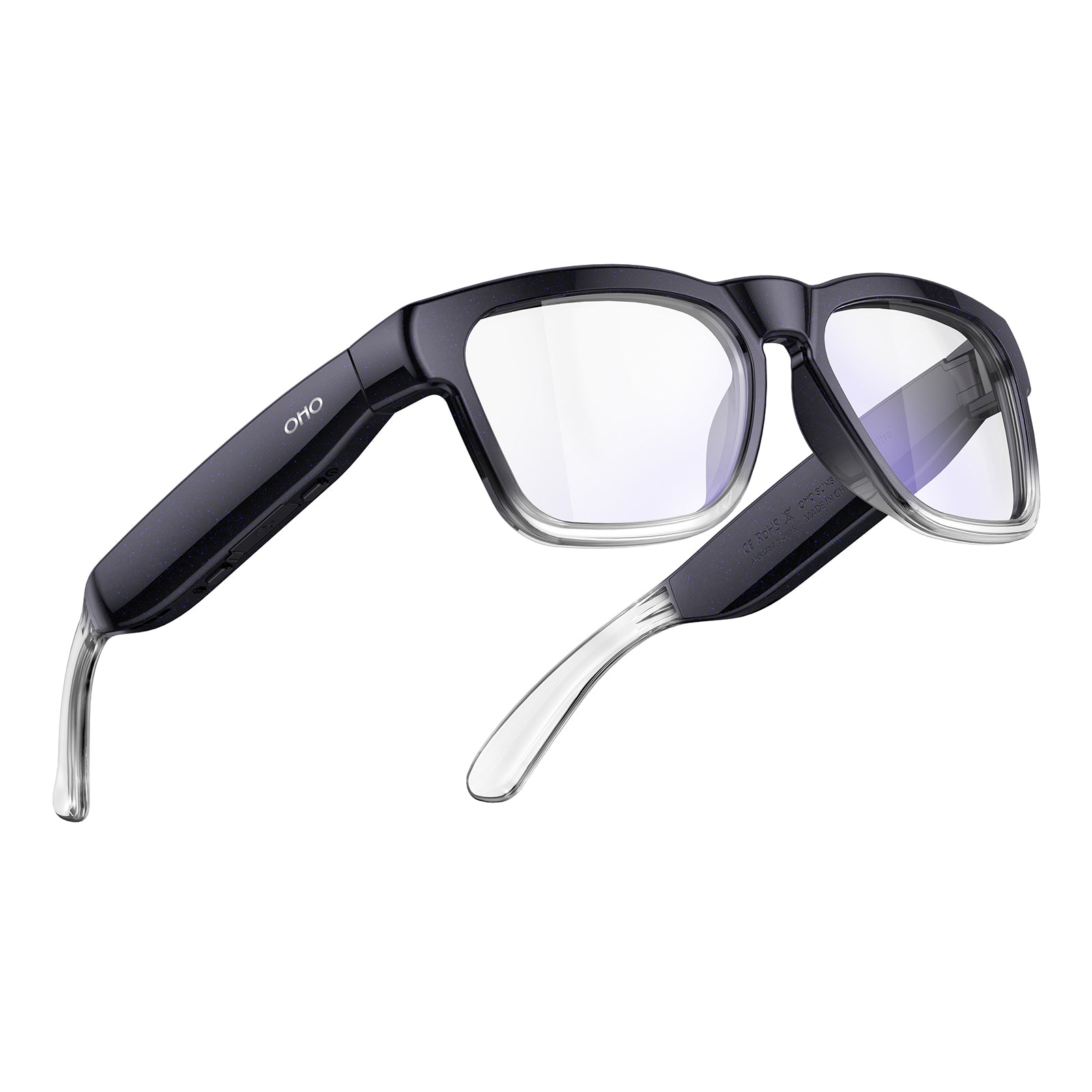





Picking snowboard goggles with a camera online comes down to two separate checks. First, look for listing evidence that the camera's position matches your riding stance, that it states retention limits for park use, and that its battery and storage details can cover a real day on the mountain. Second, treat basic fit, helmet compatibility, and lens details as their own decision, since a good camera does not make a bad-fitting goggle work. When either check comes up empty, treat that part of the listing as unverified rather than assuming it will work out.
Decide whether the camera view and park-use evidence are sufficient
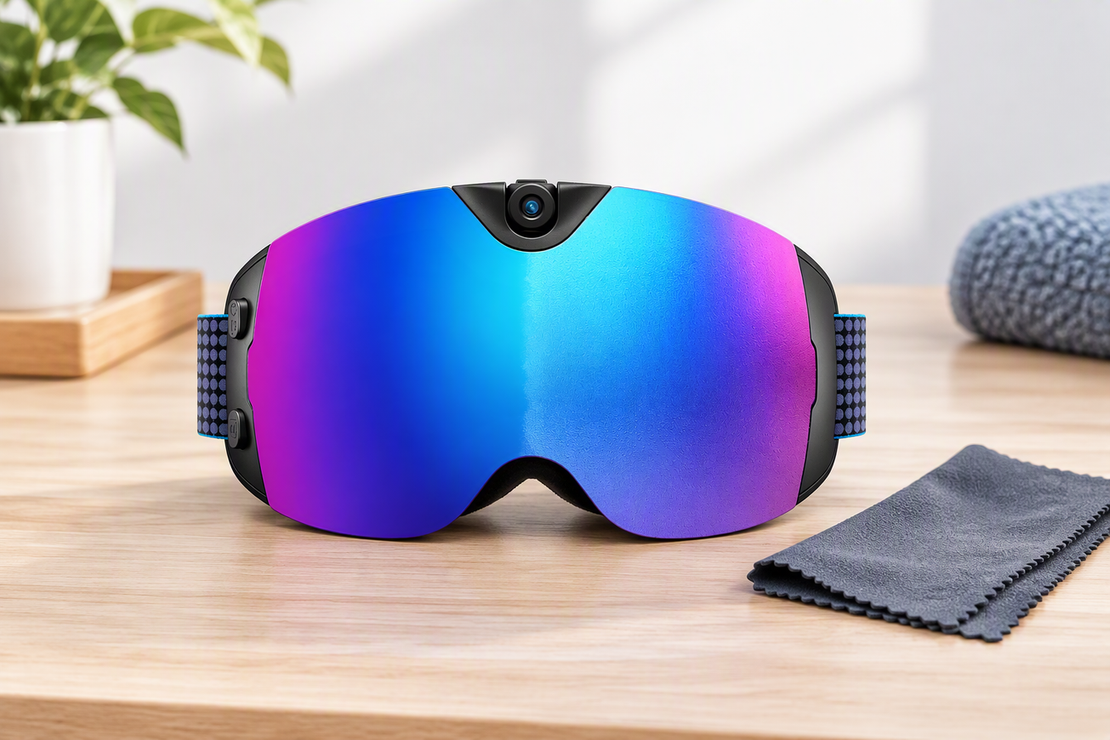
A listing only earns a "yes" when it documents both the camera's viewing angle for your stance and how it holds up during park riding. For instance, when assessing an option like the Skyshot 4K camera ski goggles, confirm that its documented placement and mounting specs match your setup before deciding.
Camera position and the side-on recorded view
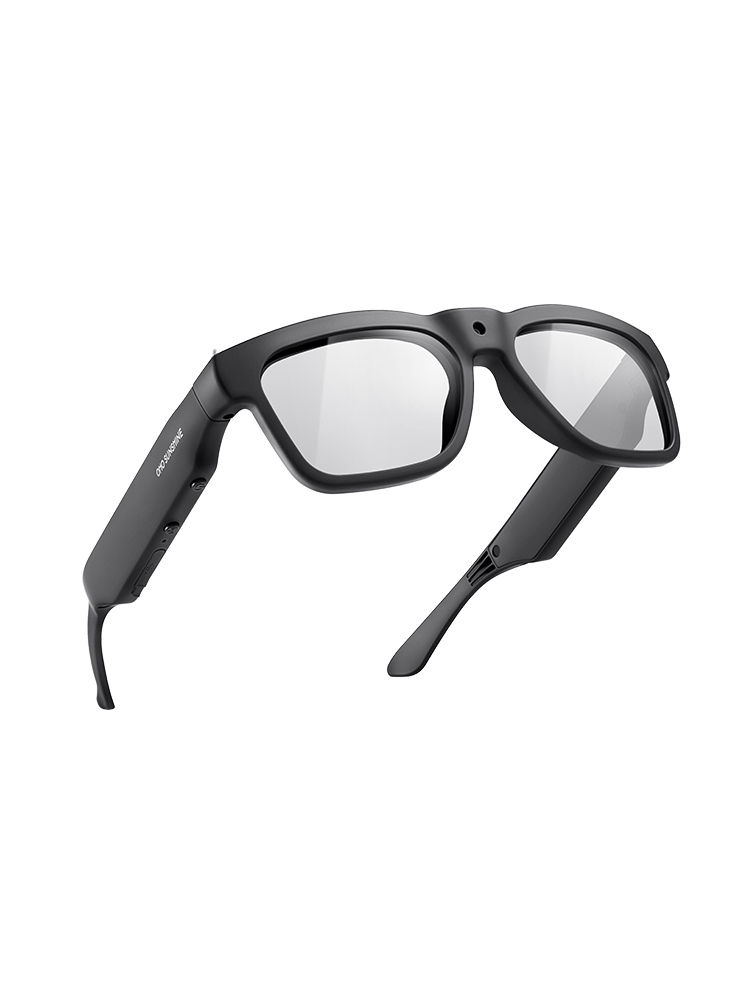
Snowboarders ride at an angle to the slope, so the footage a camera captures depends on where it sits on the goggle frame, not just its field-of-view number. When comparing models across smart snow goggles, a wide-angle spec tells you how much the lens can see, but it says nothing about whether that view lines up with your body position while carving or riding switch.
- Look for a sample clip, diagram, or written description of camera placement relative to the rider's forward-facing line.
- Treat a field-of-view figure by itself as a specification, not proof that the recorded angle matches a side-on stance.
- If the listing shows neither placement details nor a representative sample, mark the viewpoint as unverified and ask the seller for one before buying.
Park retention and operating limits
Terrain-park riding adds vibration from jumps, rails, and landings that a groomed-run listing photo never shows. When shopping for a dedicated snowboard goggles camera, a general "great for snowboarding" tag does not tell you whether the camera housing is rated to stay attached or functional through repeated impacts.
- Search the listing for stated retention specs or operating limits tied to jumps, rails, or repeated impact.
- Do not assume vibration resistance from a snowboarding use tag or a generic mounting photo.
- When retention information is missing, classify park use as unverified and request confirmation from the manufacturer or seller before relying on the goggles there.
Confirm battery, storage, and cold-weather recording details
Even when the camera angle and park retention check out, the goggles are only useful if they keep recording long enough to capture your runs. Battery, storage, and cold-weather details finish off the camera side of the decision before you move on to how the goggles fit and see.
- Look for a stated recording time or battery runtime, and check whether the listing says what resolution or mode that figure applies to.
- Check whether the listing gives a storage capacity or supported memory card size, and how you get footage off the goggles, such as by cable, card, or app.
- Look for any stated operating temperature range. Cold weather often shortens battery runtime, so a figure measured indoors may not hold up on the lift.
- If runtime, storage, or temperature details are missing, mark them as unverified and ask the seller how the camera performs over a full day in cold conditions.
Check goggle fit, helmet compatibility, and lens details
Once you've sorted the camera question, judge the goggles themselves the way you would any pair of snow goggles. Fit, helmet compatibility, and lens details decide comfort and visibility no matter how good the footage turns out to be.
Fit and helmet compatibility
Compare the listing's stated frame size and helmet-compatibility notes against your own face shape and helmet model instead of guessing from a product photo. General ski and snowboard goggle guidance recommends checking proper goggle and helmet fit: the frame should sit smoothly against your face, a tightened strap shouldn't deform the frame, and an undersized frame can leave gaps at the temples.
- Match any stated frame dimensions or size labels (small, medium, large) against your own measurements when available.
- Confirm the listing names helmet compatibility for spherical or larger frames if you ride with a helmet that has a deep brim.
- If the page gives neither measurement nor helmet notes, treat fit as unconfirmed until you can try the goggles on or find that detail elsewhere.
Lens information for intended conditions
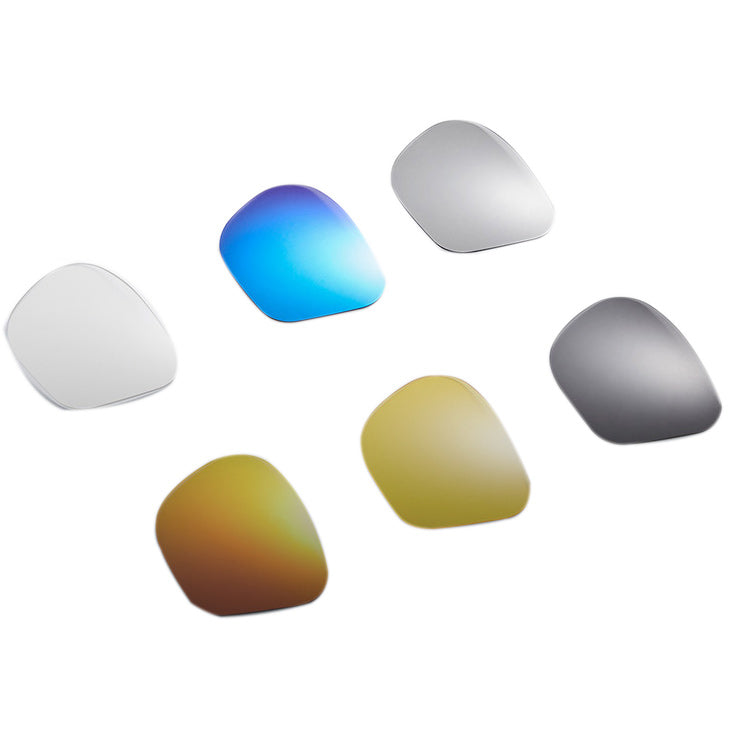
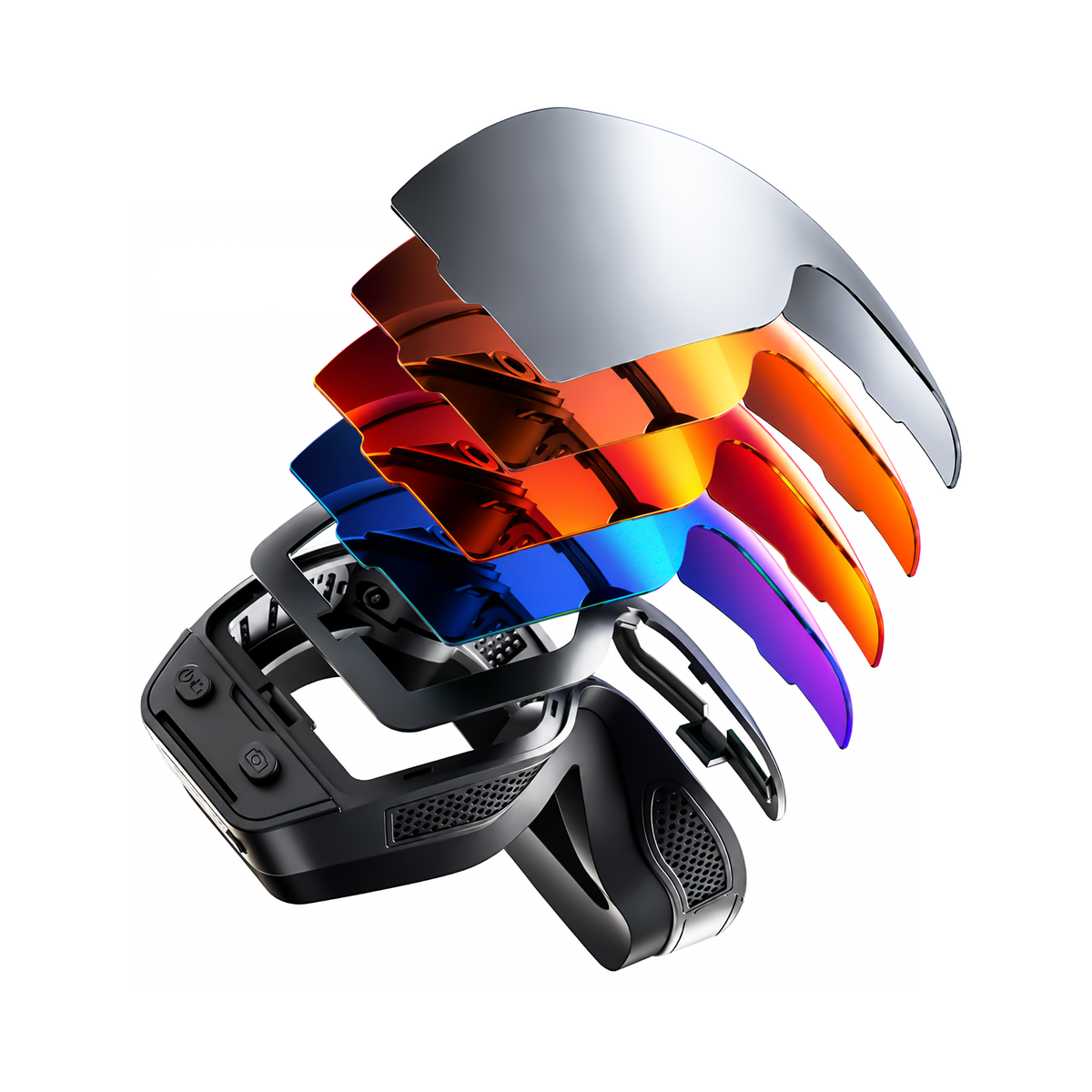
Match only the lens details a listing actually states, such as lens type, tint, or visible light transmission (VLT), to the conditions you plan to ride in. A tint description alone does not guarantee performance in flat light or bright sun unless the listing backs it up with a VLT range or a stated use case. Riders who spend more time under trees than in open bowls face a related but distinct lens question, and our guide on goggles for shaded tree runs covers what to check before buying for that lower-light setting.
If the camera view, park retention, battery and storage, fit, and lens details are all documented for your setup, you have enough to shortlist the goggles with confidence. If any of those pieces are missing, request the specific information from the seller or manufacturer before adding the goggles to your cart, rather than treating photos or a general activity label as proof.
FAQs
Does a higher field-of-view number mean better footage for snowboarding?
Not on its own. Field of view tells you how wide the lens sees, but it doesn't show where the camera sits on the frame or whether that placement matches your riding stance. Ask for a sample clip or placement diagram before assuming the number translates into usable footage.
Can I trust a "great for snowboarding" label to cover park riding?
No. That label typically reflects general outdoor use, not documented performance under jump landings, rail hits, or repeated vibration. Look specifically for stated retention or operating limits before choosing camera goggles for park sessions.
What should I do if a listing doesn't mention helmet compatibility?
Treat fit as unconfirmed rather than assuming it will work. Message the seller for frame dimensions or helmet-compatibility notes, or hold off until you find a listing, review, or in-person try-on that answers the question for your specific helmet.
Are lens tint and VLT the same thing?
No. Tint describes the lens color, while VLT (visible light transmission) states how much light actually passes through. A dark tint can still have a moderate VLT, so check for the VLT figure itself if a listing gives one instead of relying on color alone.


留言
此網站已受到 hCaptcha 保護,且適用 hCaptcha 隱私政策以及服務條款。