



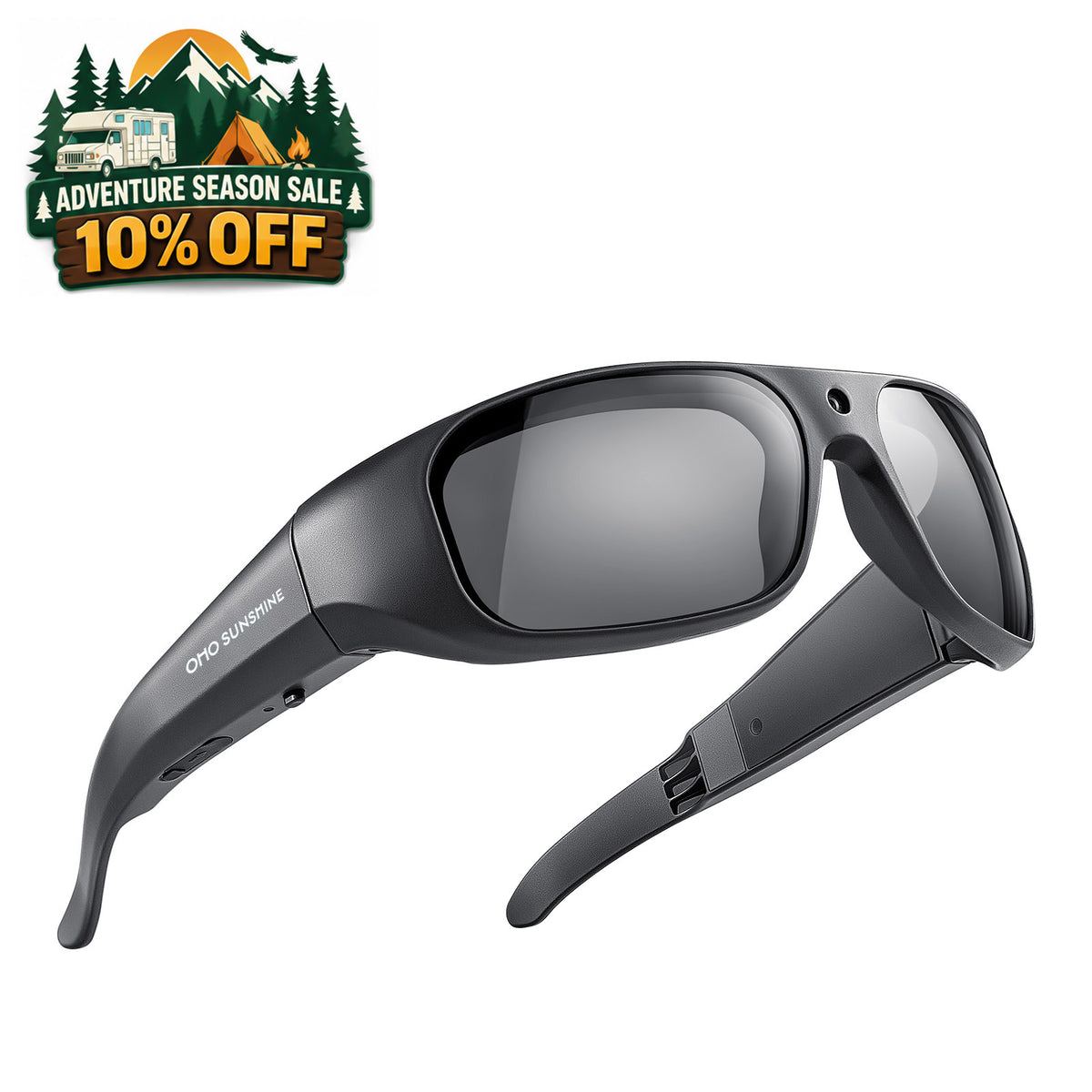


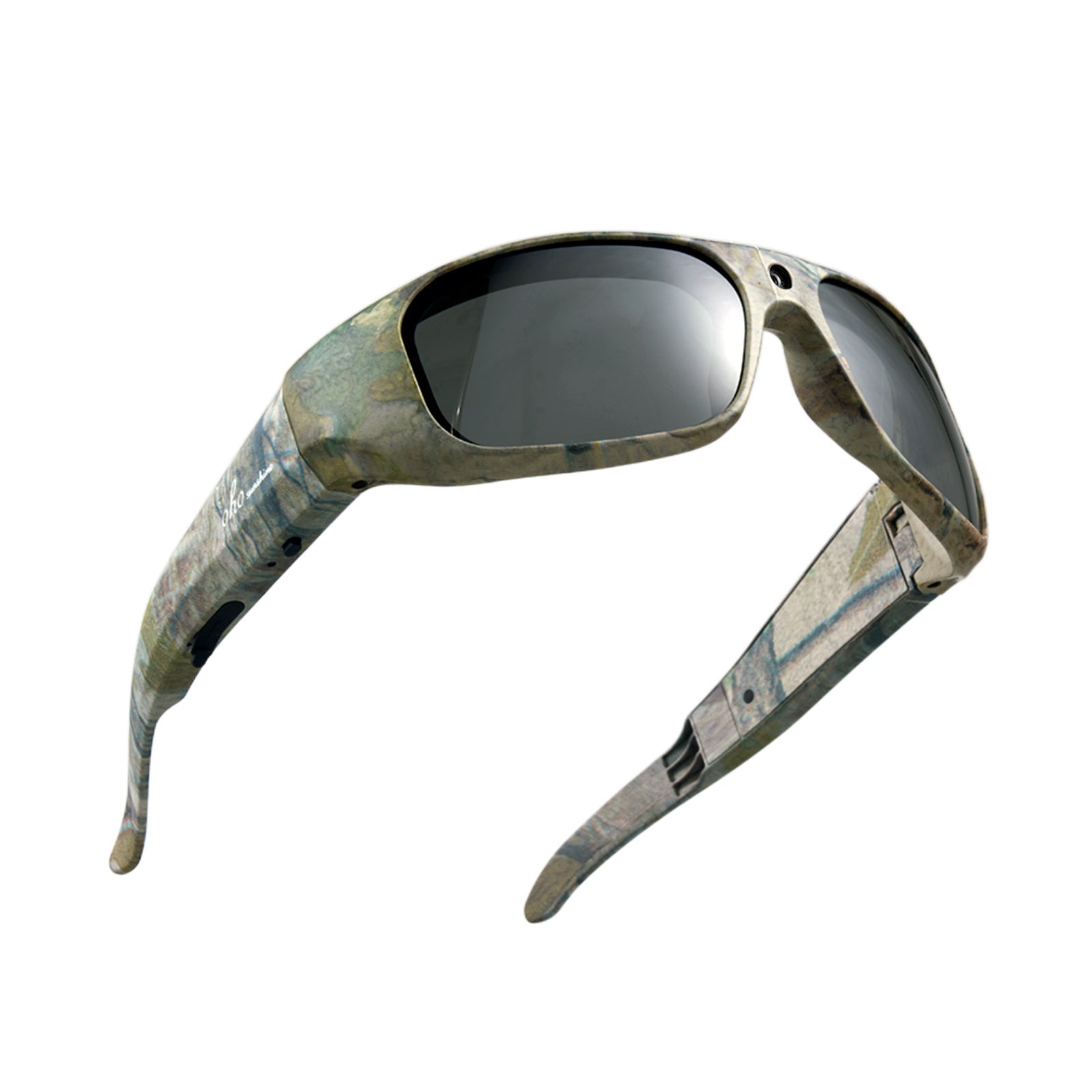


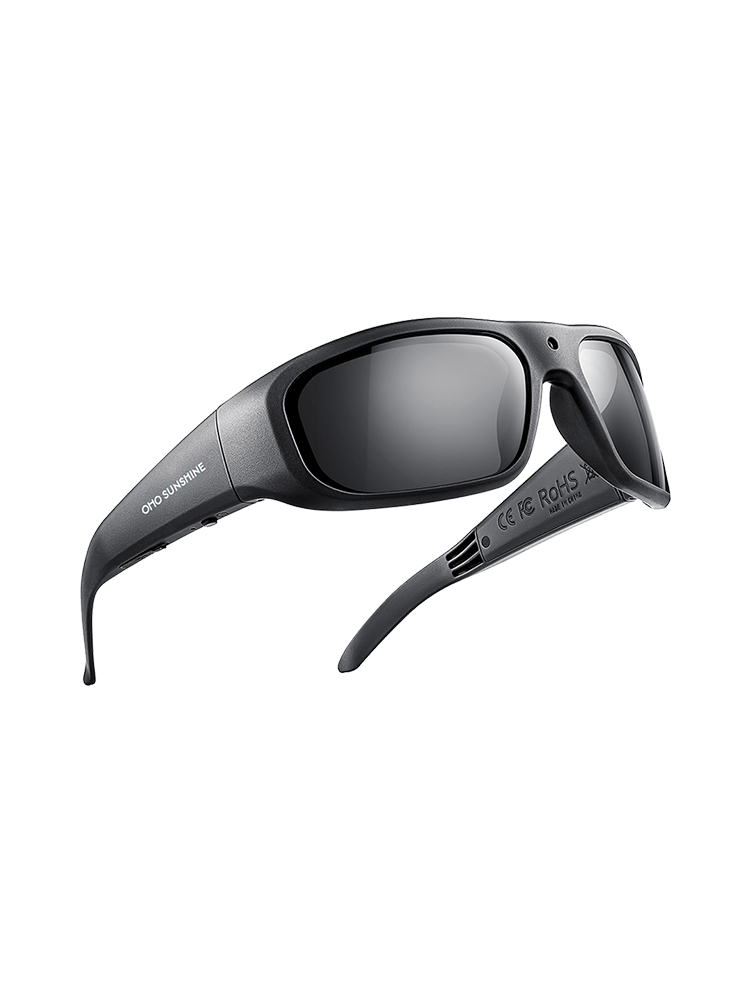


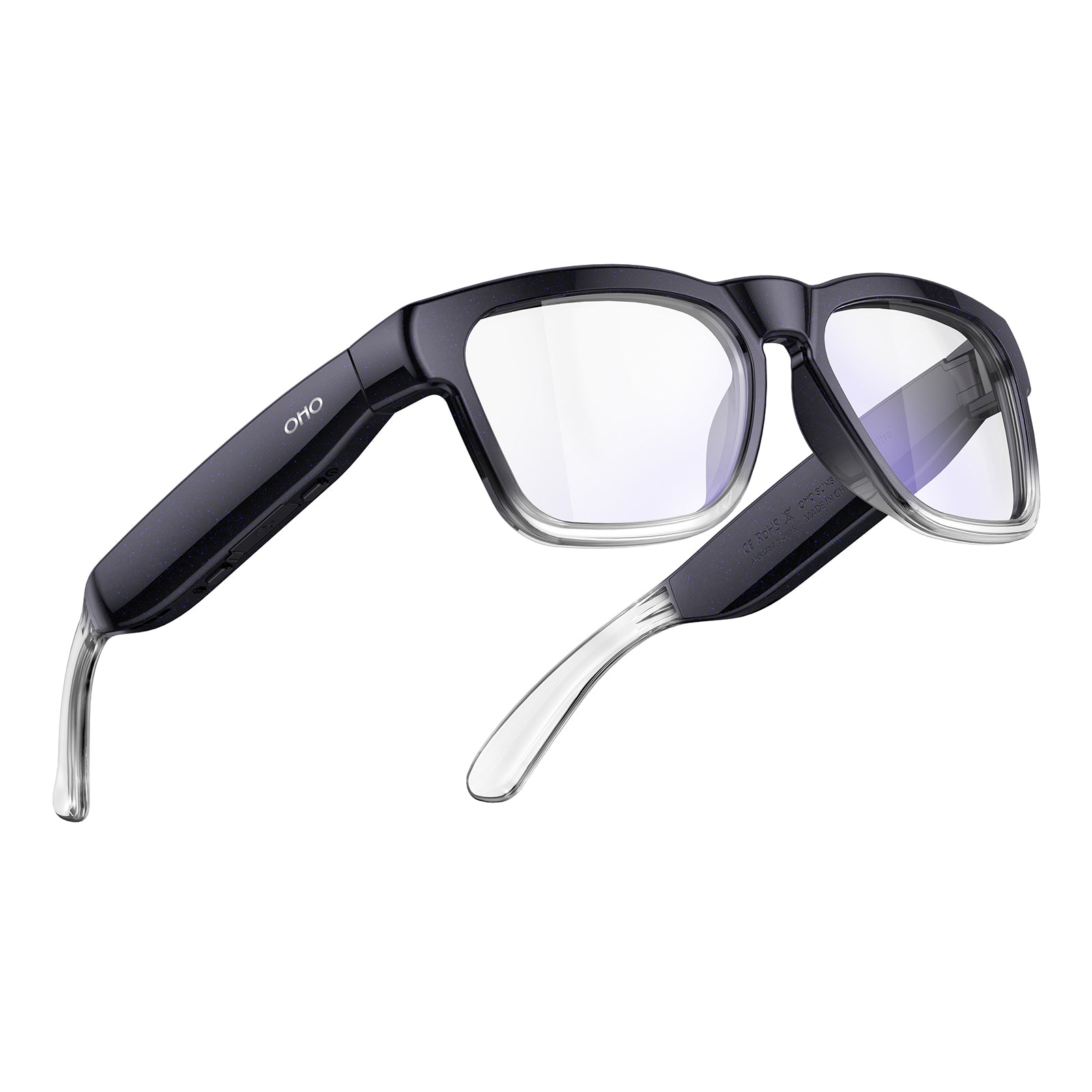



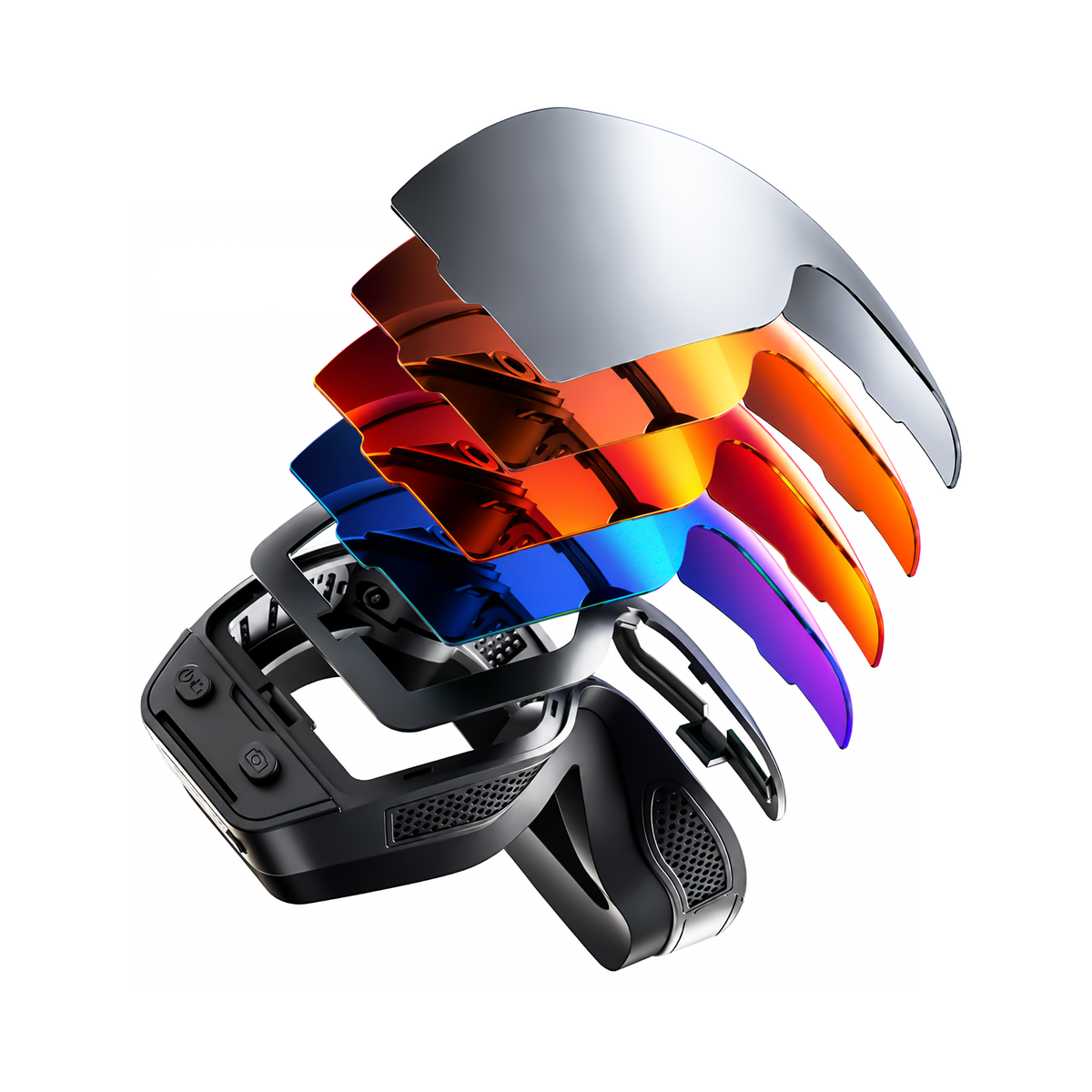

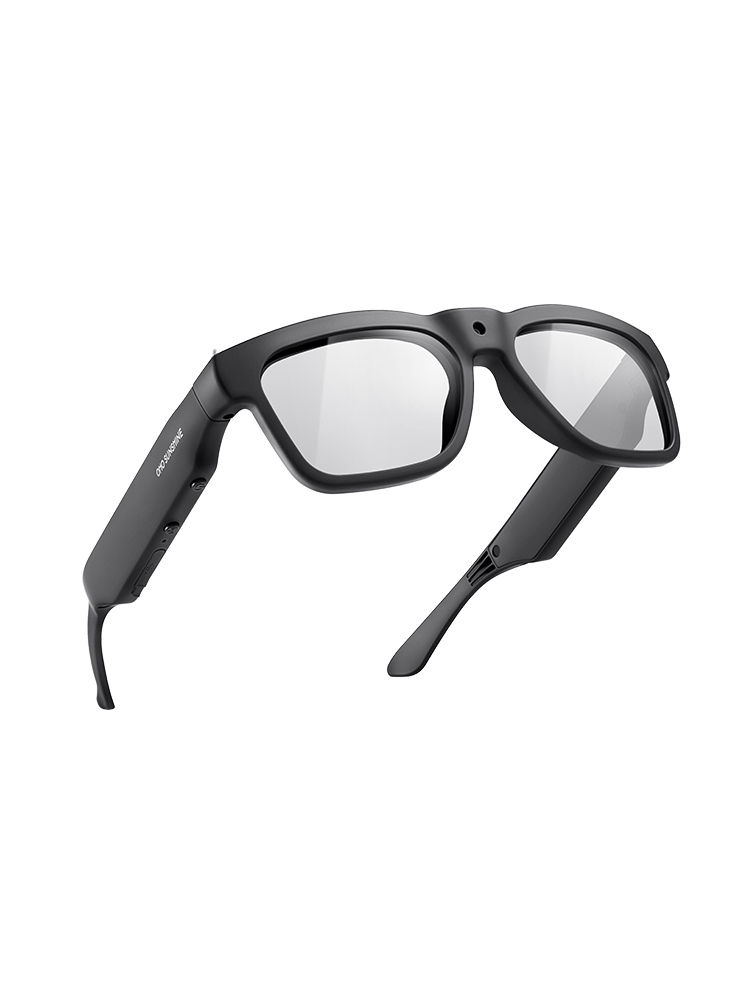


A 1080P camera-glasses model like our Livi smart camera glasses can capture individual items hands-free while you walk through a garage or estate sale, but the listed specs alone don't prove a finished online-catalog workflow. Livi records 1080p/30 fps video, includes a built-in microphone, and moves files over Wi-Fi through its own app. None of that confirms automatic clip indexing, clear spoken notes in a noisy room, or a direct upload into your catalog software.
Before you record fifty items, test one. That single test tells you whether the resolution, audio, battery, and file transfer actually support the way you plan to list items online.
Can 1080P Camera Glasses Work for Estate Inventory?
Models like our Livi capture 1080p/30 fps footage, carry a built-in microphone, and support Wi-Fi app transfer alongside devices like Edge smart glasses. They don't establish that clips are automatically labeled, that speech survives sale-floor noise, or that footage lands directly in your catalog software, so each factor needs its own verification.
Capture an item, then confirm how its clip is identified
Specifications across dedicated camera glasses list 1080p/30 fps capture, but nothing in that rating confirms automatic file naming, clip indexing, or continuous recording across a long session. Treat resolution as an image quality metric rather than an automated filing system.
Pick one representative item and give it an identifier before you record it, the same way you would in a paper inventory. A documented estate-cataloging method recommends assigning a unique entry ID to each piece, noting its room location, and photographing any identifying marks so the record and the object stay linked. That approach works whether your footage comes from glasses, a phone, or a camera; it's a recordkeeping habit, not a feature of the glasses themselves. Record your test item, transfer the clip, and confirm you can still match it to the correct entry a day later. If you can't, log identifiers separately instead of relying on memory or file order.

Check whether spoken IDs and prices survive playback
Livi lists a built-in microphone for audio recording, but that spec only confirms the device captures sound, not that a spoken price note stays clear once a sale floor gets busy. Run this short test before trusting spoken notes for a full inventory.
- Say the item's ID and asking price out loud while recording, in the same room noise you expect on sale day.
- Play the clip back through whatever device or app you'll use for cataloging later.
- If the ID and price are both clearly distinguishable, spoken notes can support that item's record. If either word is unclear, write or type the price separately and keep the clip for visual reference only.
This test takes under a minute per item and tells you immediately whether speech is a reliable note-taking method in your specific space, rather than assuming a microphone listing settles the question.
Match session power and file transfer to the online workflow
Livi's specifications list an 80-minute battery life and an approximately two-hour recharge, and file transfer runs through its dedicated Wi-Fi app. None of that establishes battery swapping, recording while charging, or a direct connection into your catalog platform, so plan around the numbers you actually have.
Start by comparing your expected active recording time against that 80-minute figure. A single room of small items might fit inside one charge; a full house typically won't, and the two-hour recharge means you should plan a break or a second pair of glasses rather than assume mid-session charging. For managing the resulting media across a multi-day cataloging job, our guide on camera-glasses file management covers measuring storage, transferring files, and clearing space between sessions. liquidators coordinating on-site teams can also review our field inspections and handoff guide for practical file retention and labeling protocols. Once you transfer a sample clip through the app, open it in the exact catalog tool or spreadsheet you plan to use for the sale. If the file imports cleanly and plays at usable quality, the path works for that platform. If it doesn't, you'll need a manual upload step or a different transfer route before committing to a full inventory session. Readers deciding between models can compare recording-time tradeoffs in our camera glasses recording time guide, and our Livi 1080P camera glasses page lists the full specification set referenced above.
FAQs
Does 1080p resolution guarantee I can read maker's marks or small labels later?
No. 1080p describes the recorded video's resolution, not whether a specific mark, stamp, or label will be legible at the distance and lighting you used. Test your actual distance and lighting on one item with fine detail before assuming the footage will hold up during appraisal or listing.
Does transferring files through the glasses' app mean they go straight into my online catalog?
No. Livi's listed Wi-Fi transfer moves files from the glasses to its companion app over your network, which is a different step from importing that footage into catalog software or an online listing platform. Transfer one sample clip through your intended catalog tool and confirm it opens correctly before relying on that path for a full sale.
What happens if my inventory session runs longer than the listed battery life?
Livi lists 80 minutes of battery life and an approximately two-hour recharge, and neither figure confirms battery swapping or recording while plugged in. For sessions longer than that window, plan a charging break, a second device, or a supplementary capture method rather than assuming continuous coverage.
Can spoken price notes replace a written price sheet entirely?
Only if your playback test confirms the ID and price are clearly distinguishable in your actual sale-floor noise. When either word is unclear on playback, keep a separate written or logged price sheet alongside the video rather than depending on speech alone.
Is a pilot test with one item enough to trust the setup for a whole estate?
A successful test on one item shows that identification, audio, power, and transfer worked for that item and setting. It doesn't guarantee the same result across every room, lighting condition, or item type, so spot-check a few varied pieces before committing the entire inventory to this method.


留言
此網站已受到 hCaptcha 保護,且適用 hCaptcha 隱私政策以及服務條款。