

















Ski goggles that ice over mid-run need thawing, not scrubbing, whenever the ice feels bonded or gritty. Shake off loose snow first, then let stubborn ice soften before touching the lens with anything. Once the surface is clear, dab moisture with a clean optical cloth instead of wiping, and keep any camera window or vent free of liquid unless your model's manual says otherwise.
This sequence works the same way whether you're wearing standard ski goggles, snowboard goggles, or smart ski goggles with a built-in lens. The order matters more than the tool: remove what's loose, wait out what's bonded, then wipe only the surfaces that are actually safe to touch.
The Safest Mid-Mountain Defrost Sequence
Start by checking whether the ice or snow is loose or bonded, and whether it's sitting on the lens or on an exposed camera window. That split decides your next move before you touch anything.

When Snow or Ice Is Loose
- Tap the frame gently or give the goggles a light shake so loose snow falls away on its own.
- Do not wipe across visible grit, crystals, or crusted patches, since dragging them can leave fine scratches.
- Move to a sheltered lift line or lodge stop so more snow doesn't land on an exposed camera opening while you work.
When Ice Is Bonded or Gritty
- Stop rubbing immediately. Bonded ice needs time to soften, not pressure.
- Once it loosens, shake away the water or dab it with a clean, approved optical cloth if any residue remains.
- Skip direct heat and keep liquid away from any camera opening unless your specific goggle's instructions allow it.
Clean the Outer Lens, Inner Lens, and Camera Window Differently
Not every surface on a pair of goggles with camera hardware tolerates the same contact. The outer lens, inner lens, and any exposed camera window each need a different level of caution.
Outer Lens
Wait until all ice and grit are gone before touching the outer lens directly. Use the included storage pouch, a clean optical microfiber cloth, or another cleaning method your goggle maker specifically approves. Paper products, clothing, and general household cleaners are not built for coated lenses and belong on the avoid list, not in your routine.
Inner Lens
Leave the inner lens alone whenever you can. It carries the anti-fog treatment that keeps your view clear, and that coating is more sensitive to contact than the outer surface. If moisture or residue does need to come off, dab it with the cloth your goggles came with rather than wiping across the surface. Don't assume a general glass cleaner is safe here; anti-fog coatings vary by model, and an unapproved product can strip the treatment.
Camera Window, Frame, and Vents
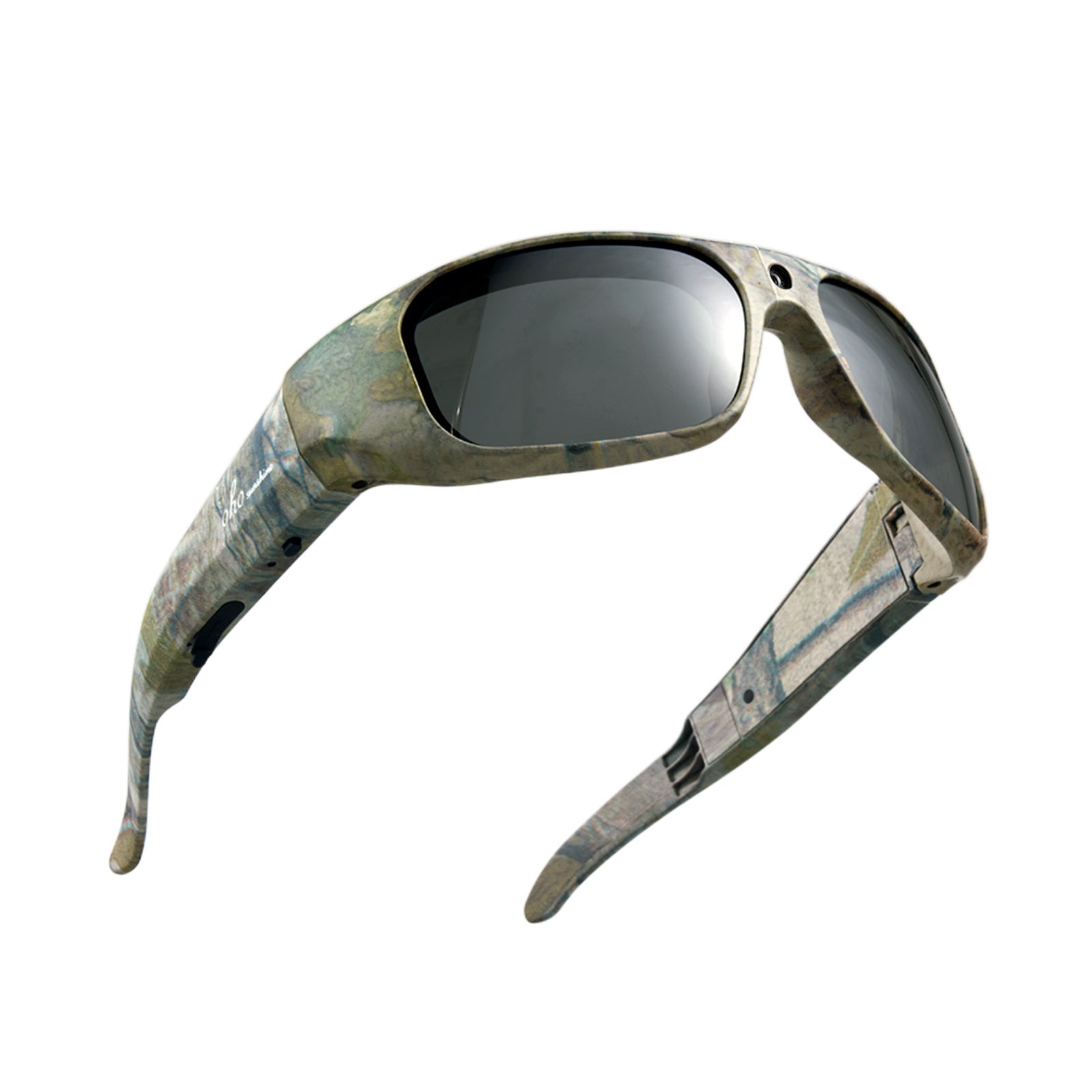
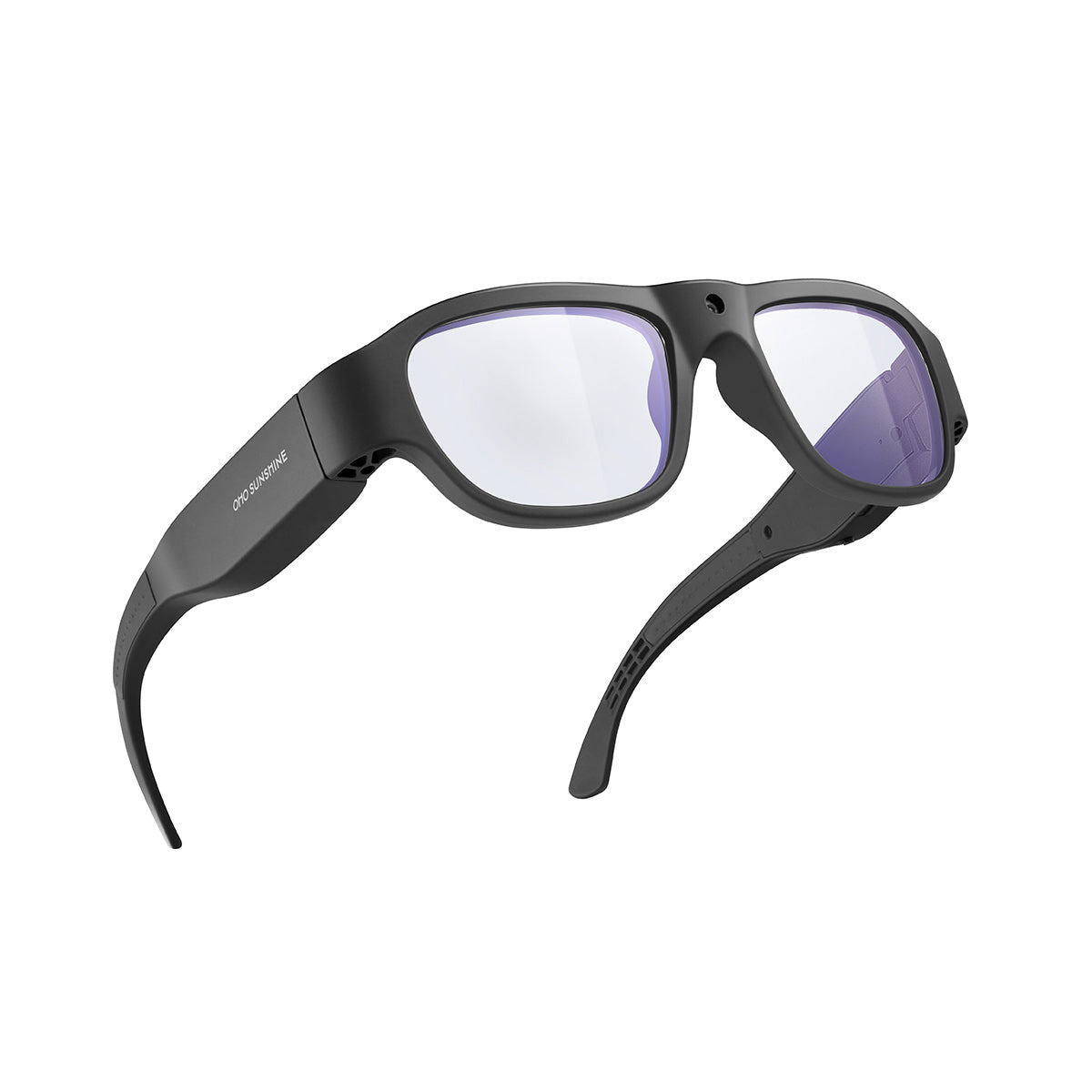
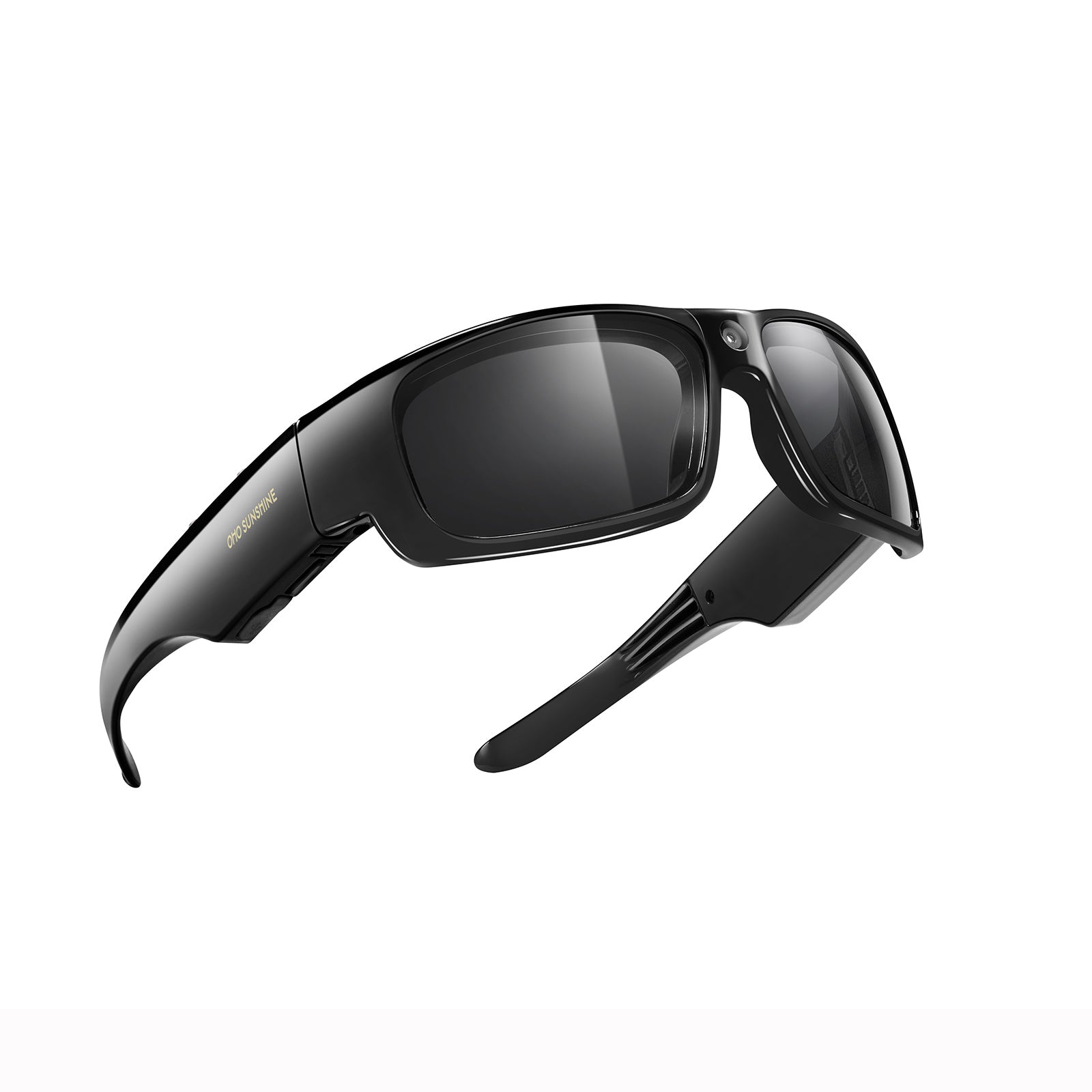
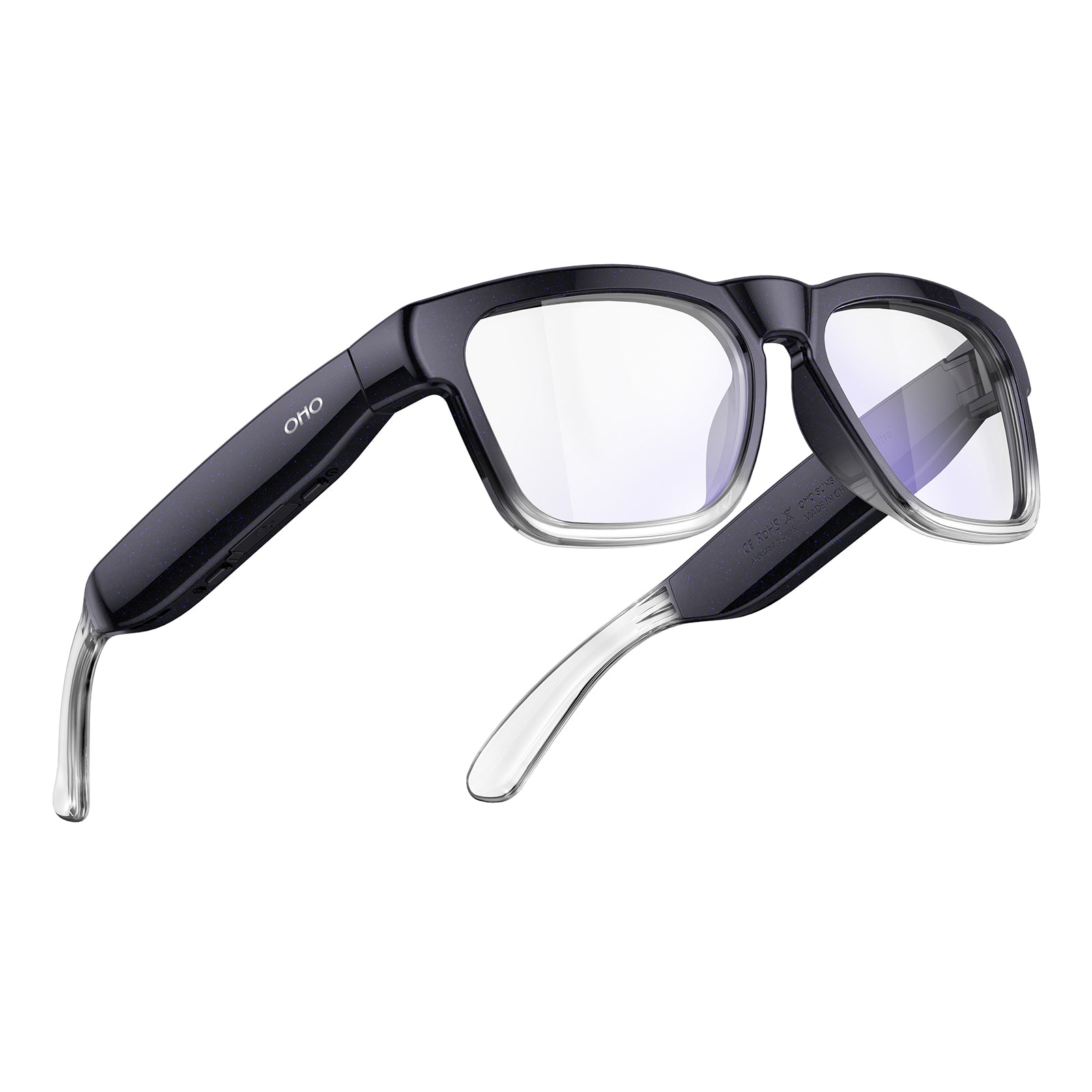
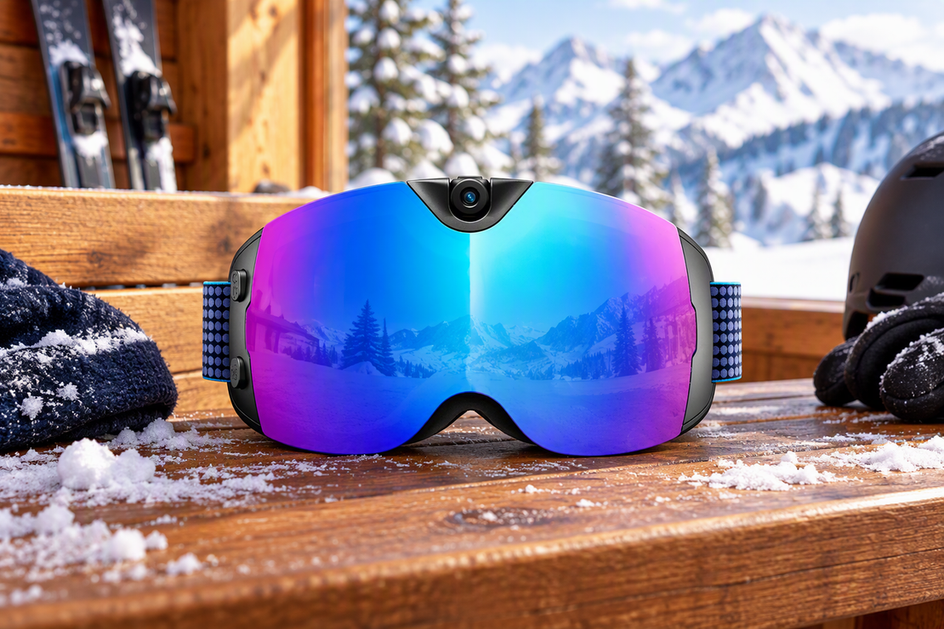
Treat only the exposed camera window as a cleanable optical surface. Don't probe the aperture or attempt to open the housing. Keep liquid away from the camera, charging port, and vents unless the manufacturer's instructions specifically allow a particular cleaning method there. If you're using camera-equipped ski goggles like our camera-equipped ski goggles, let the manual and the cloth that shipped with the unit guide any cleaning near the lens housing rather than assuming the same rules as a standard lens apply.
What Not to Use on Iced Ski Goggles
Several common shortcuts create the scratch and coating risk this guide is trying to prevent. Skip all of the following unless your specific goggle maker says otherwise.
- Fingernails, cards, blades, or any hard object used to scrape off bonded ice.
- Gloves, sleeves, shirts, jackets, paper towels, or tissue rubbed across the lens; a clean optical-grade cloth is built for coated surfaces, while reusable cloths that haven't been cleaned can retain small abrasive particles that scratch the lens.
- Alcohol, solvents, household glass cleaner, or any other chemical not explicitly approved by the goggle manufacturer.
- Direct heat, including hair dryers or setting goggles on a radiator, to force a faster thaw.
Dry and Inspect Before Reuse
Let the goggles dry gradually at room temperature instead of forcing the process with heat. Once dry, check each surface separately before putting them back on or into storage.

- Confirm the outer lens is free of droplets, grit, or haze under good light.
- Check the inner lens for any remaining film, since that surface affects fogging the most.
- Look at the exposed camera window for moisture or smudges without probing the opening itself.
- If cloudiness or a scratch remains after a full dry-down, stop cleaning and treat it as unresolved rather than a sign that more rubbing is needed.
If you're dealing with a fully wet day rather than just icing, our guide on how to clean and dry snow goggles walks through drying and storage in more detail. Once the relevant surfaces are dry and clear, the goggles are ready to use again; if the camera window or coating still looks off, check the model's manual or support channel before continuing.
FAQs
What should I do if the inside of my ski goggles is foggy or wet?
Let the fog or moisture clear on its own when possible, since the inner lens is the most coating-sensitive surface. If you must remove it, dab gently with the approved cloth rather than wiping, and check the manufacturer's instructions if the film keeps coming back.
Can I use lens cleaner or water on the camera opening?
Only if your specific goggle or camera manufacturer says it's safe. Otherwise, keep liquid away from the camera opening entirely and limit cleaning to the exposed window using the method documented for that model.
What if the goggles are still cloudy after the ice melts?
Persistent haze after a full dry-down isn't solved by more scrubbing. Stop cleaning, inspect for scratches or coating wear, and check the model's manual or support path if clarity doesn't return.
Is it safe to use a hair dryer to remove ice from ski goggles?
Not unless the product instructions explicitly allow it. Direct heat can stress lens coatings and camera components. Let bonded ice thaw gradually and dry the goggles at room temperature instead.


Zanechať komentár
Táto lokalita je chránená testom reCAPTCHA a vzťahujú sa na ňu pravidlá ochrany súkromia a podmienky poskytovania služby hCaptcha.