





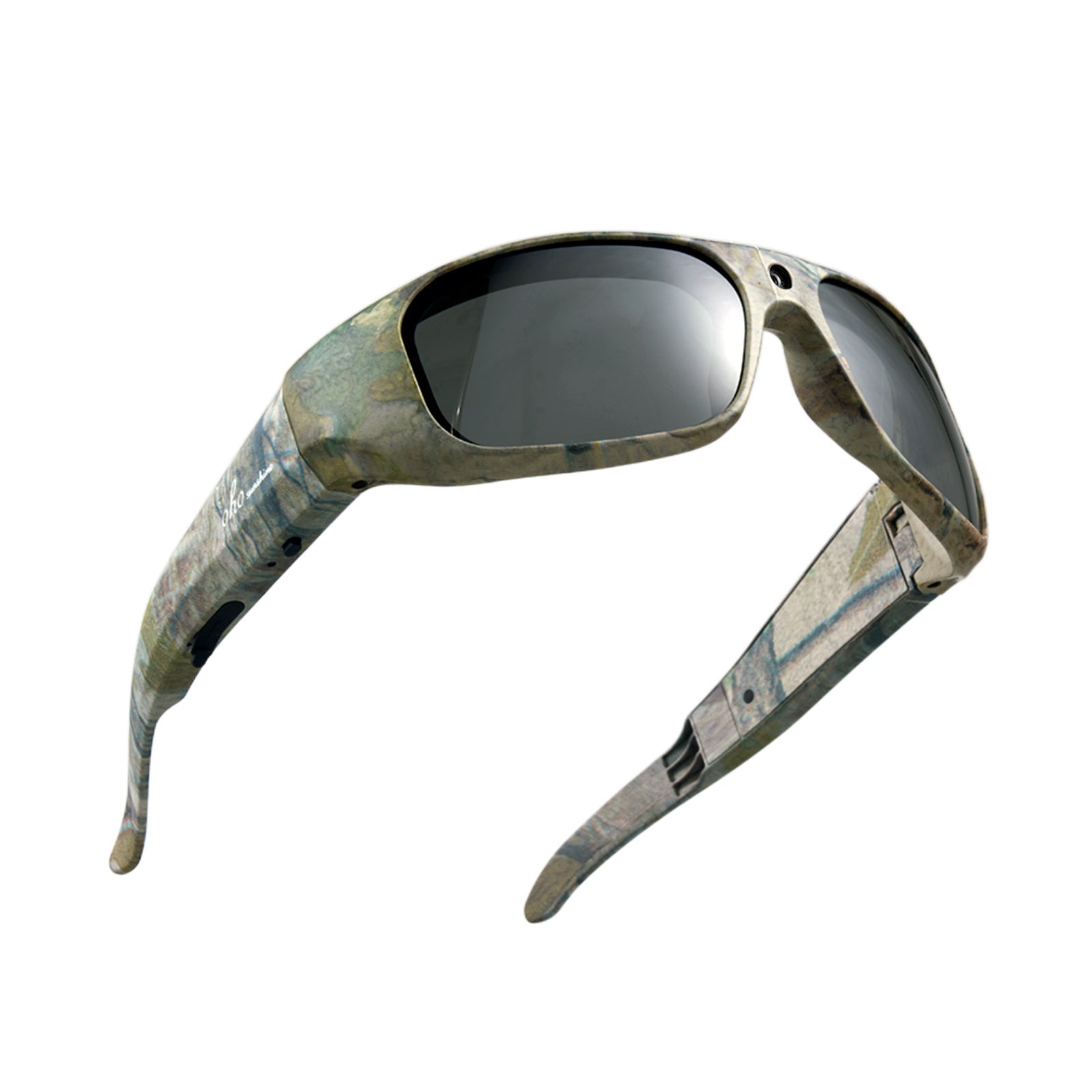


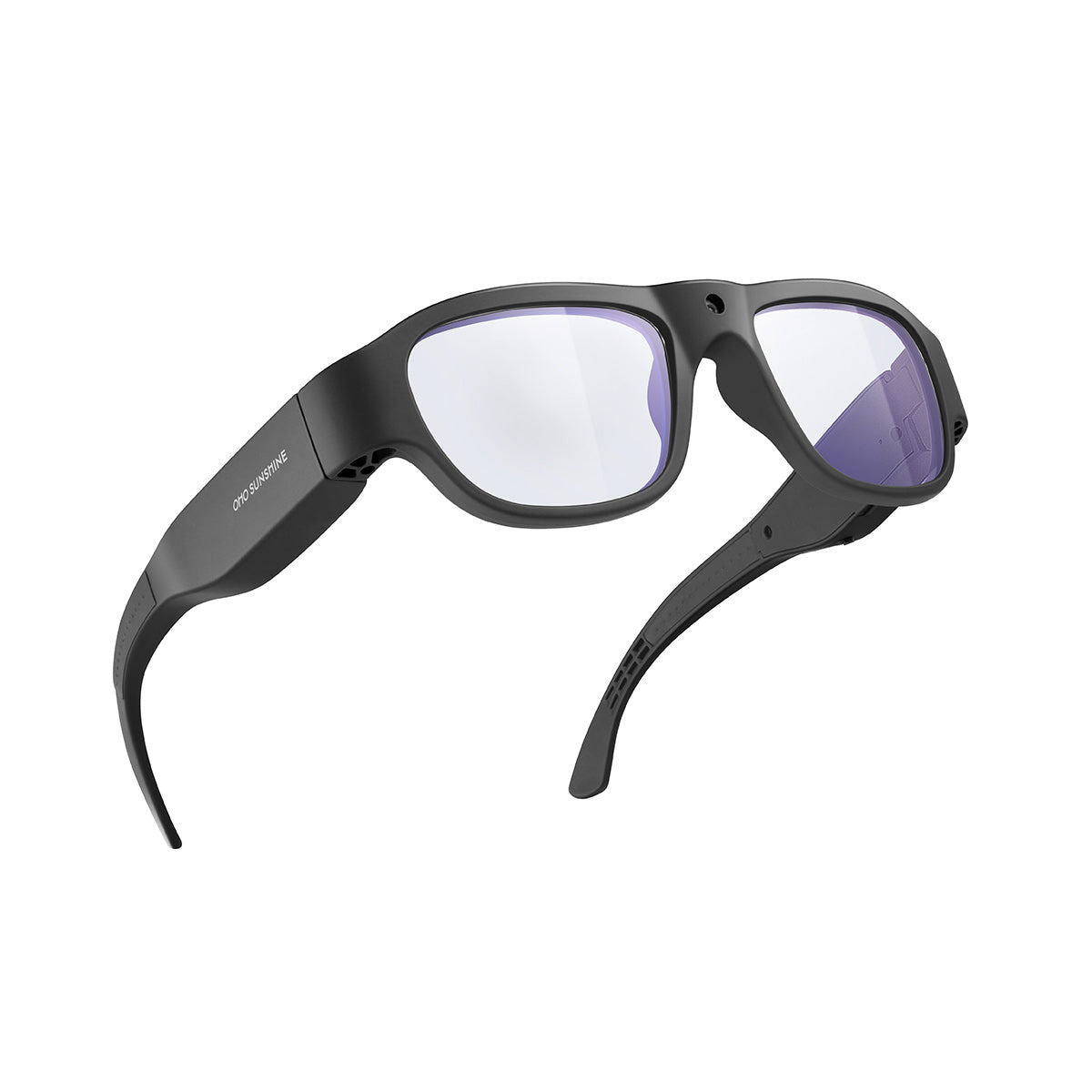
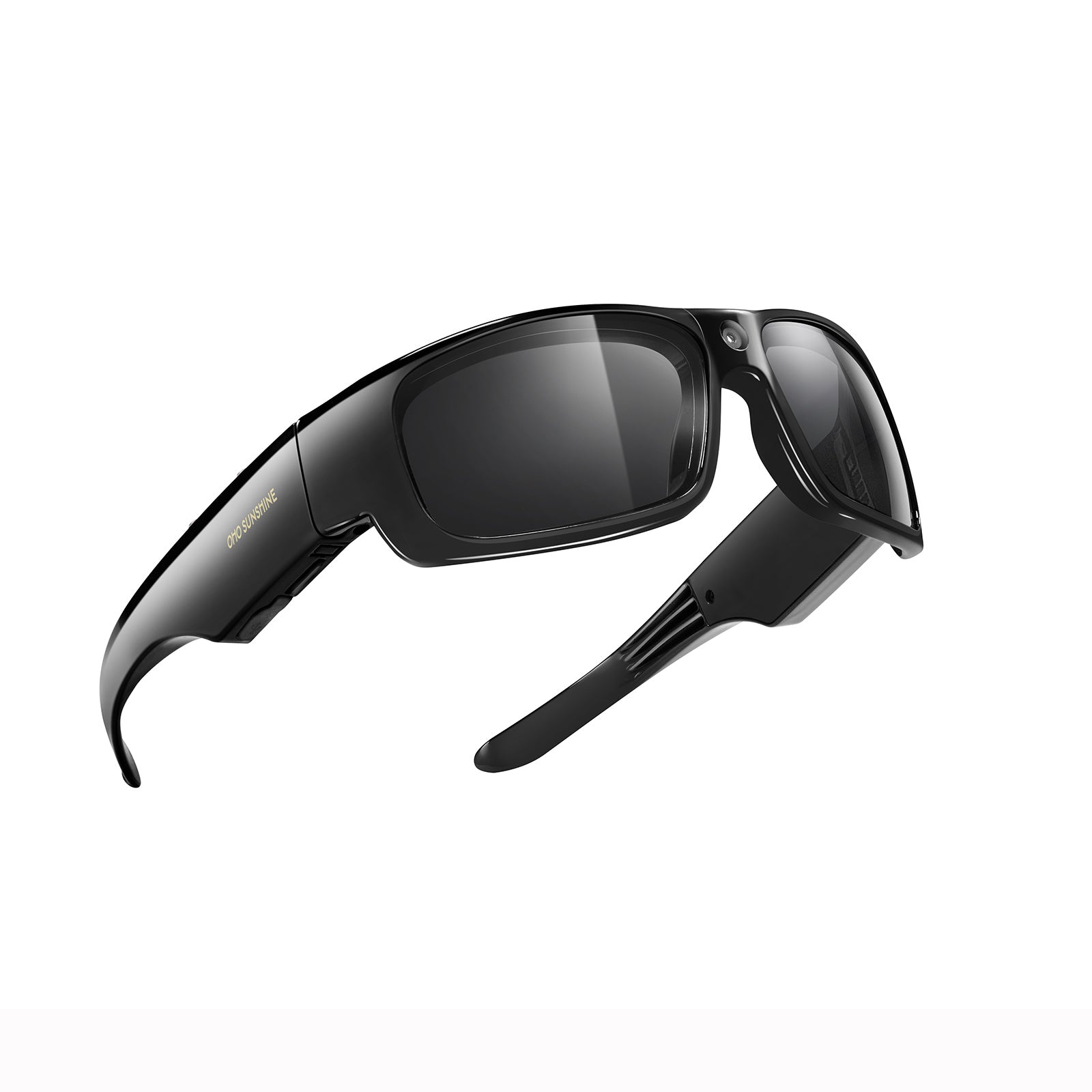


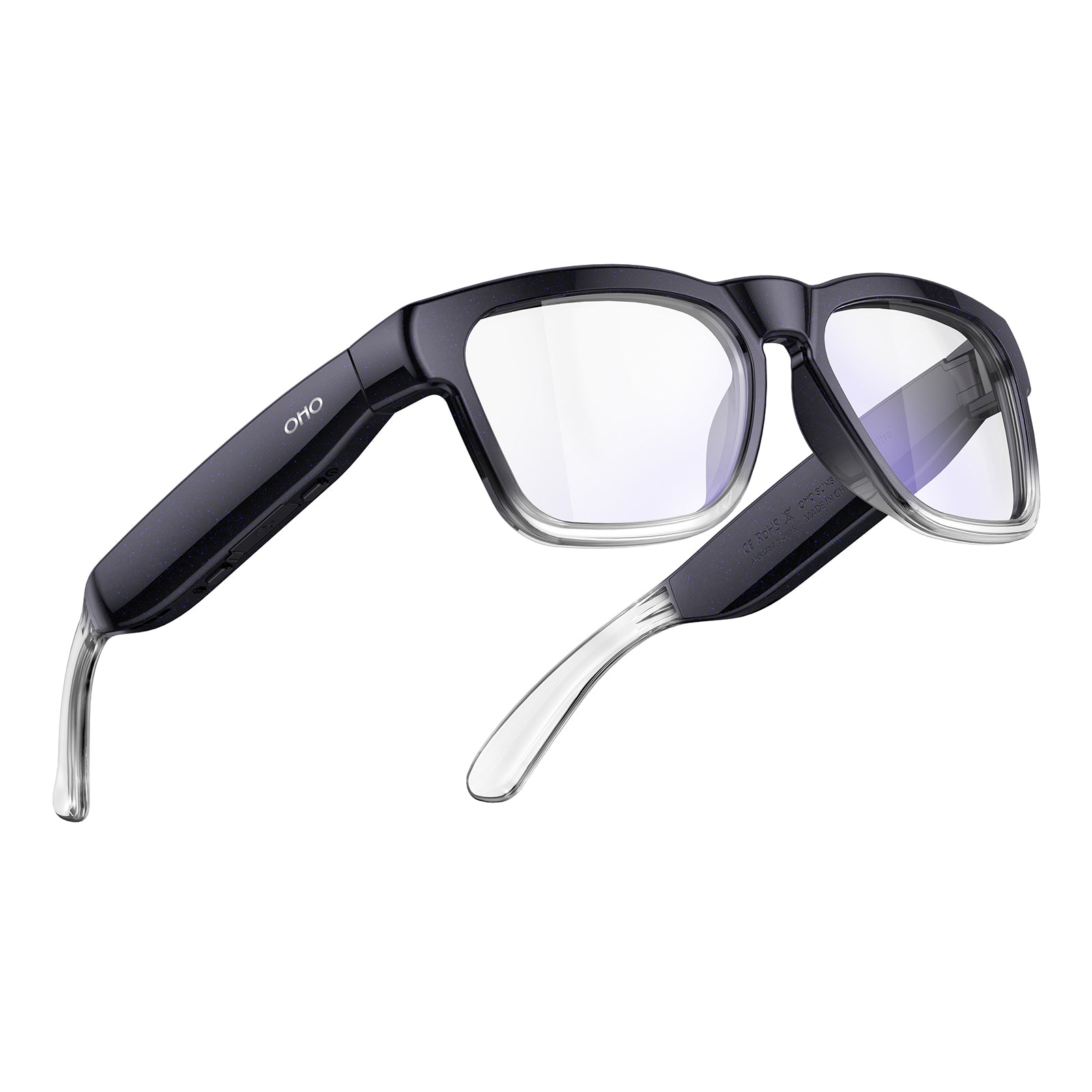


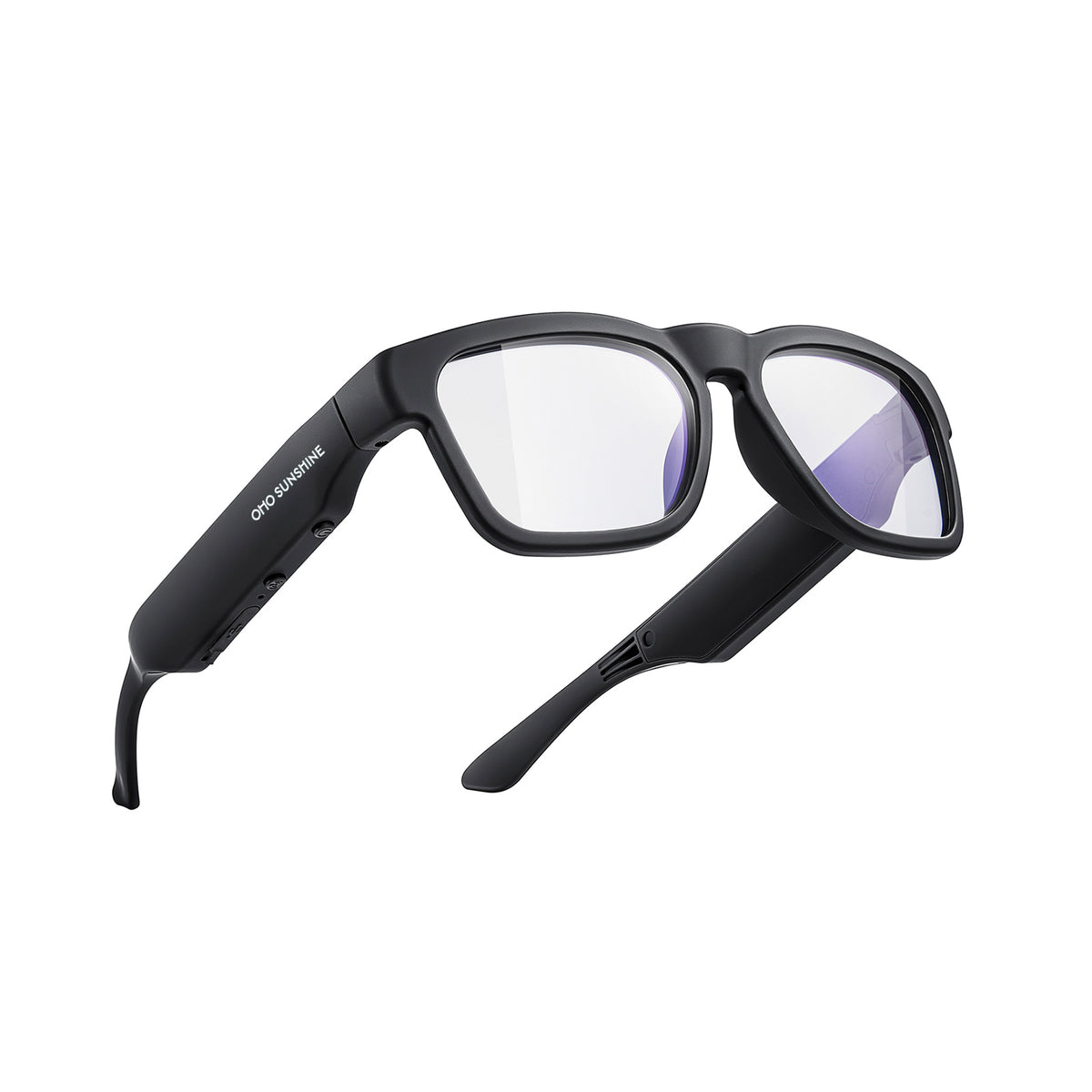





Camera glasses can capture a whiteboard clearly, but only when the writing you need is inside the frame and still readable in the saved file, shot from where you normally sit or stand. A headline spec like 4K video or a high megapixel count can't tell you that, because it says nothing about your distance, angle, or room light. For any specific pair of smart glasses with camera, the proof is a sample capture that you can actually read.
Short Answer: Only a Readable Sample Can Confirm It
"Clear" only means something when it fits your task. If you need every equation symbol readable, the captured text must stay legible, whereas a rough diagram only requires clear shapes and labels. A capture counts as clear only when the writing your task needs is visible and legible in the saved file from your actual position.
That makes the honest answer a conditional yes. Smart glasses with camera may capture a board well from one seat and fall short from another. We haven't seen independent whiteboard tests of camera glasses, and guidance written for room cameras doesn't prove how glasses perform. So you'll need to judge any individual pair by a real sample taken in your own conditions.
What makes whiteboard writing readable in a capture?
Two separate things can go wrong: the writing can fall outside the frame, or it can be in the frame but too small, faint, or washed out to read. Treat these as different problems, because each one needs a different fix.
Position and framing
Camera glasses record from your head, so the frame follows your seat, your height, and where you look. From the back row or an off-center chair, the board takes up less of the image and sits at an angle. That can push the edges of the board out of frame, or shrink the letters until they blur together. The whole board can show up in the shot while the line you need stays unreadable.
There's no universal distance that guarantees a readable result for glasses, so treat your real seat and angle as conditions to reproduce in a test. The same trade-off shows up outdoors, where wide framing limits distant detail in camera glasses for birdwatching.
Writing and room conditions
What's on the board matters as much as where you sit. Small or thin handwriting, light marker colors, and faded ink leave less contrast between the marks and the white surface. Glare from windows or overhead lights can wash out part of the board. Uneven lighting can leave one side readable and the other too dim or too bright.
Classroom camera guidance points at the same factors. Kutztown University's tips for its Owl classroom camera recommend a black marker, writing 3 to 4 inches high, and drawing shades to cut window glare. The same guidance says the Owl best captures a board roughly 4 to 6 feet away, and that writing not directly in front of it may be hard for remote students to read. Those numbers apply to that room-mounted camera, not to glasses. What carries over is the list of conditions to include when you test.
How to test a capture from your usual position
A short sample session gives you a pass or fail for your own task. Run it in the room you'll actually use, or in one as close to it as you can get.
- Sit or stand where you normally would. Don't move closer just for the test. If you usually sit in the fourth row off to the left, test from there.
- Match the real board and light. Use the kind of writing you expect, such as a teacher's normal handwriting or a colleague's diagram. Test at a time of day when window glare or overhead lighting looks the way it usually does.
- Capture in the mode you plan to use. If you'll rely on photos, take photos. If you'll record video and pull frames later, record video.
- Move the saved file to the screen you'll study from. Open the original file on your phone, laptop, or tablet, whichever you'll really use. File handoffs matter in other hands-free jobs too, such as recording engine bays with camera glasses.
- Read the specific writing you need. View it at the size you'll normally look at it. Pick out the smallest item your task needs, like a subscript, a date, or a label, and check whether you can read it without guessing.

The sample passes if every piece of writing your task needs is legible in the saved file. If any required piece is cut off, blurred, or washed out, the capture fails for that task from that position. In that case, don't count on the glasses alone for those notes.

What evidence supports a product-specific whiteboard claim?
Believe a product-specific whiteboard claim only when you've seen sample captures from that exact model, taken in positions and indoor conditions like yours, with the needed writing readable in the files. A photo of a board shot from a few feet straight on doesn't show how that pair performs from a side seat under glare. A category-level example, such as a room camera or a different pair of smart glasses with camera, doesn't transfer either.
Resolution labels deserve the same caution. A listing of 4K/30 fps video or 24MP photos tells you what the camera records, not whether a marker line 20 feet away will survive framing, glare, and compression. Stabilization, frame rate, storage, and transfer also shape real results, and our camera-glasses buying checks cover those beyond resolution. When evaluating hardware such as our OHO SUNSHINE Brave camera glasses or browsing our camera glasses range, use verified whiteboard samples as your deciding evidence and specs as background. Ask for board samples shot from a realistic seat and angle, or plan to run your own test before relying on a pair for notes.
Conclusion
Your own sample is the deciding factor. If a capture from your usual seat, in your normal lighting, shows every piece of writing you need at the size you'll view it, you can rely on smart glasses with camera for that whiteboard task. If it doesn't, keep a backup such as handwritten notes or a closer phone photo for the details that matter, and test again whenever your seat or room changes.
FAQs
Can I zoom in or crop a capture to read small writing?
Cropping makes what's already in the file larger, but it can't add detail the camera never recorded. If the letters turn into soft blocks when you zoom, the capture doesn't hold enough detail for that writing. A crop counts as usable only when the enlarged text reads cleanly without guessing.
Should I use photos or video for whiteboard notes?
Use whichever mode fits your workflow, then judge it by the saved result. A still photo and a frame pulled from video can look different, so a pass in one mode doesn't prove a pass in the other. If you plan to use both, test both.
Do smart sunglasses with camera work for indoor board capture?
Tinted or polarized lenses change your own view of the board, which can make reading it in person harder indoors. The camera's result is a separate question. Judge it the same way as any other pair: by whether the saved file shows the writing you need.
Why does a capture work in one class but not another?
The board, handwriting, marker color, seat, and lighting can all change between rooms or even between sessions. A pass in one setting doesn't carry over automatically. When a major condition changes, like a new room, a side seat, or afternoon window glare, take a fresh sample before relying on it.


Zanechať komentár
Táto lokalita je chránená testom reCAPTCHA a vzťahujú sa na ňu pravidlá ochrany súkromia a podmienky poskytovania služby hCaptcha.