





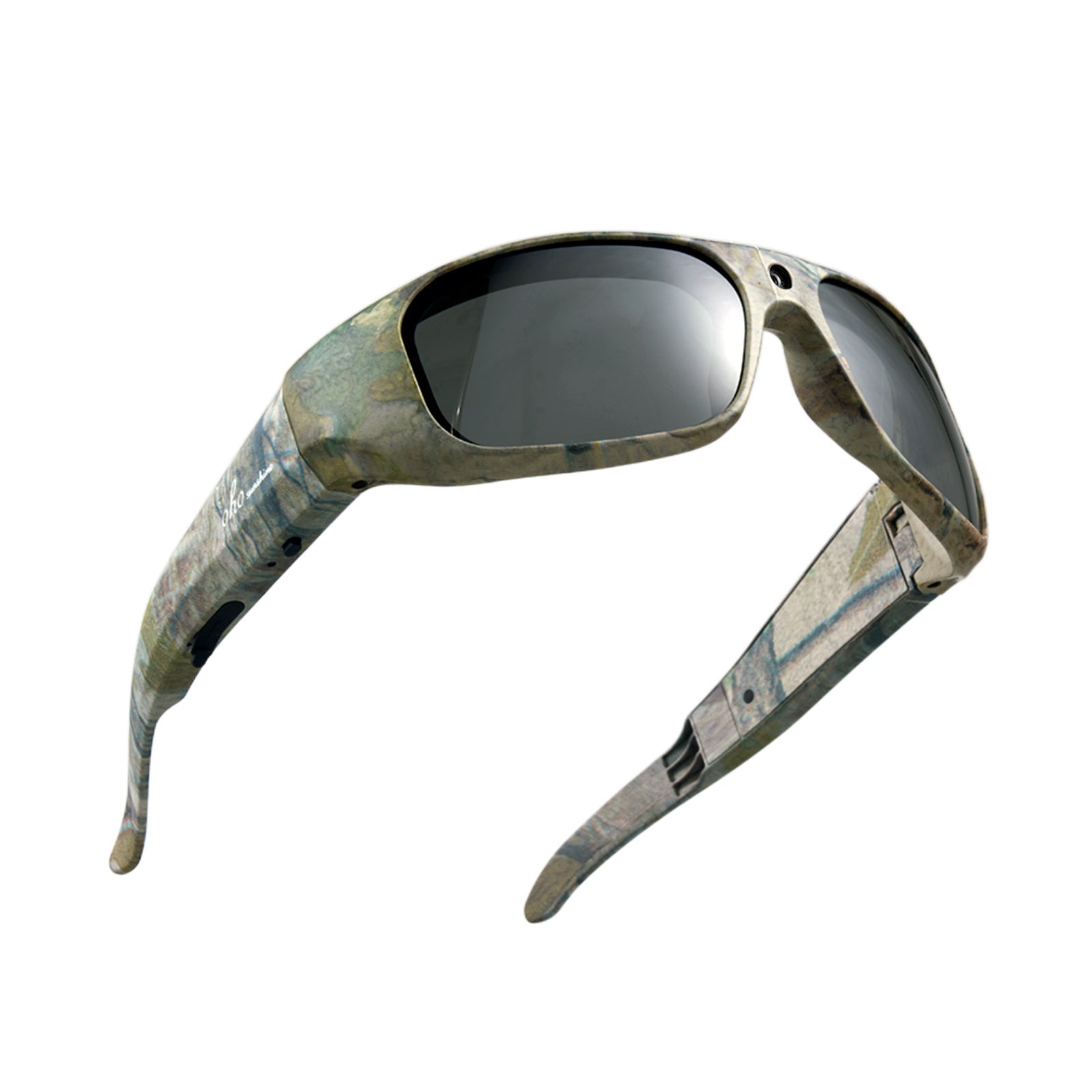


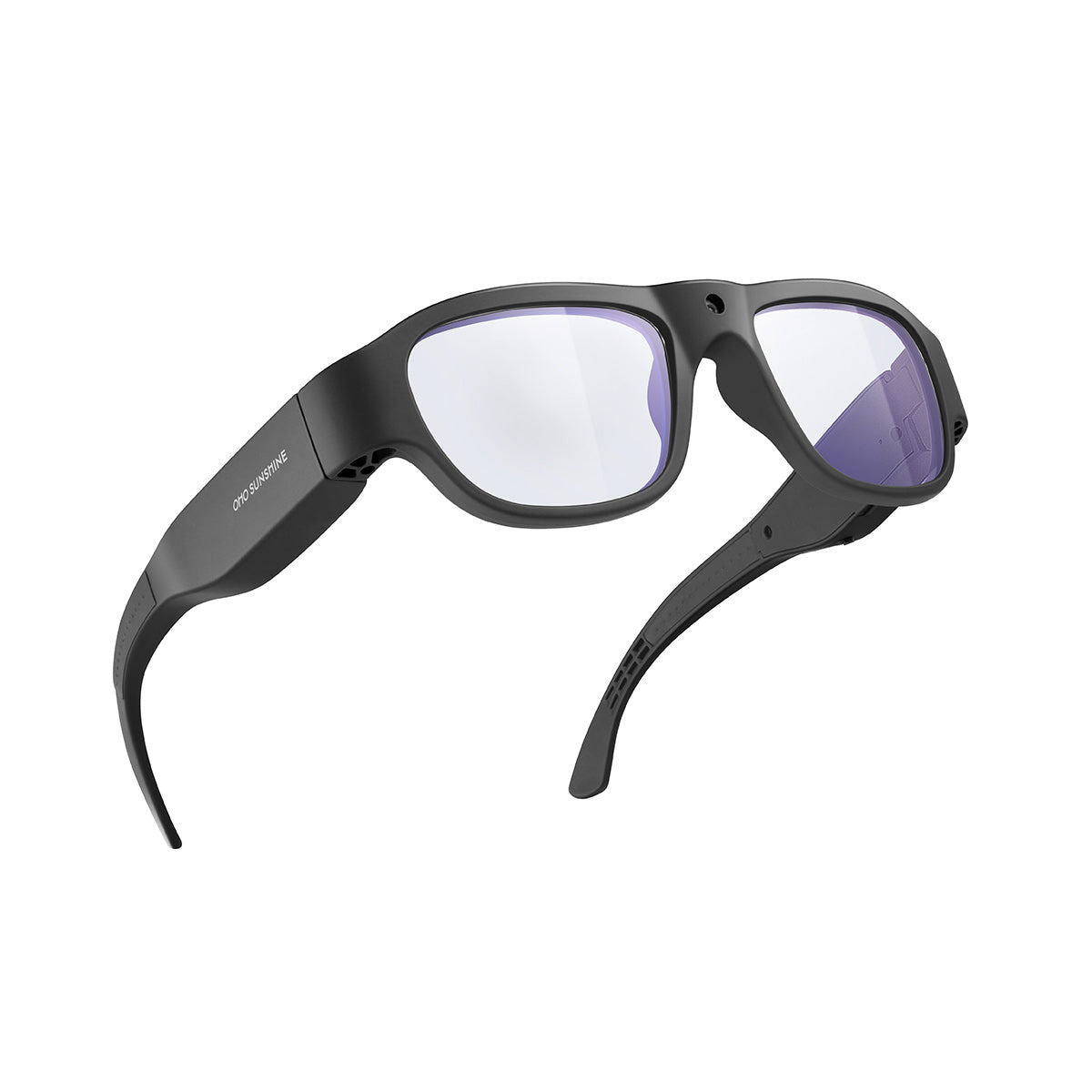
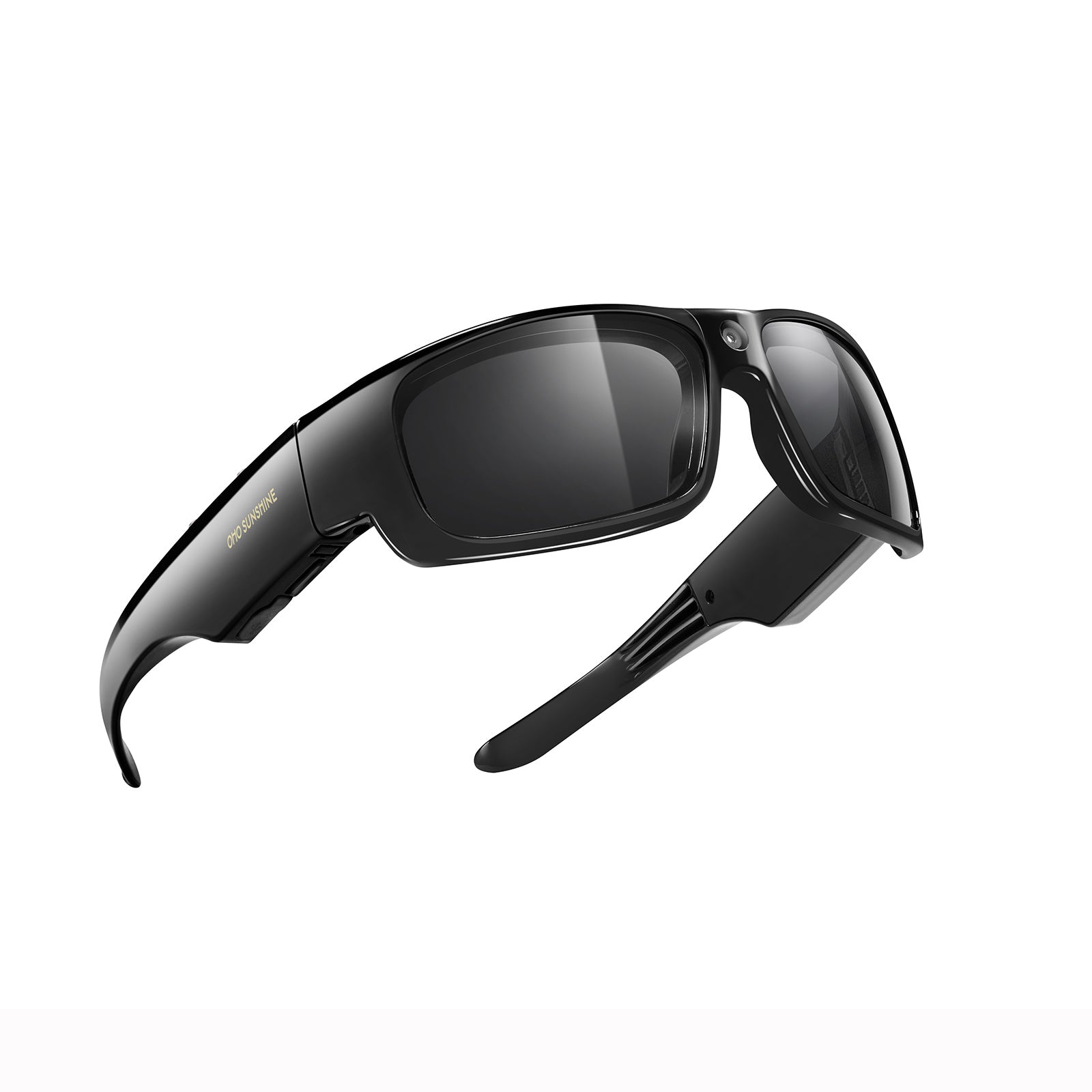


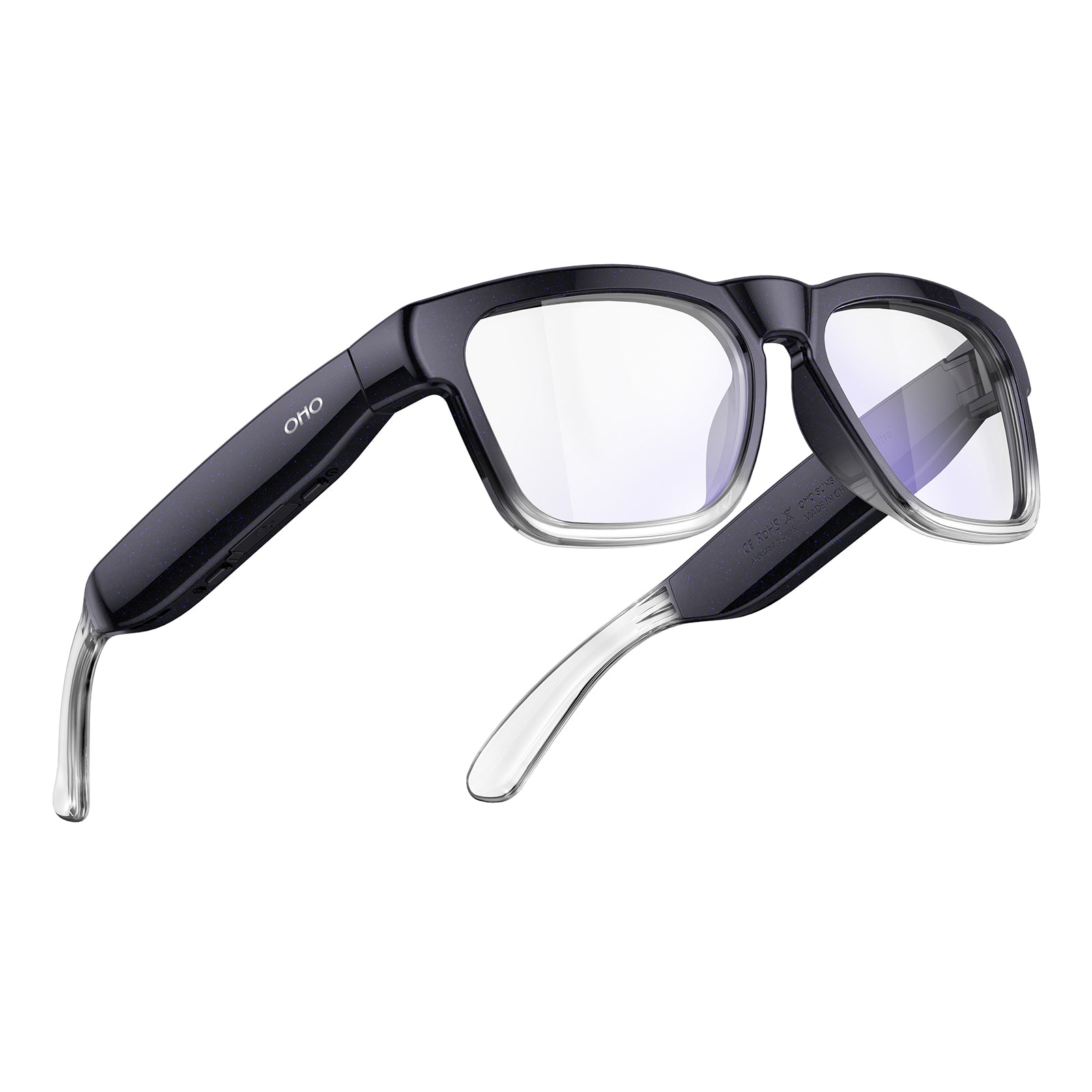







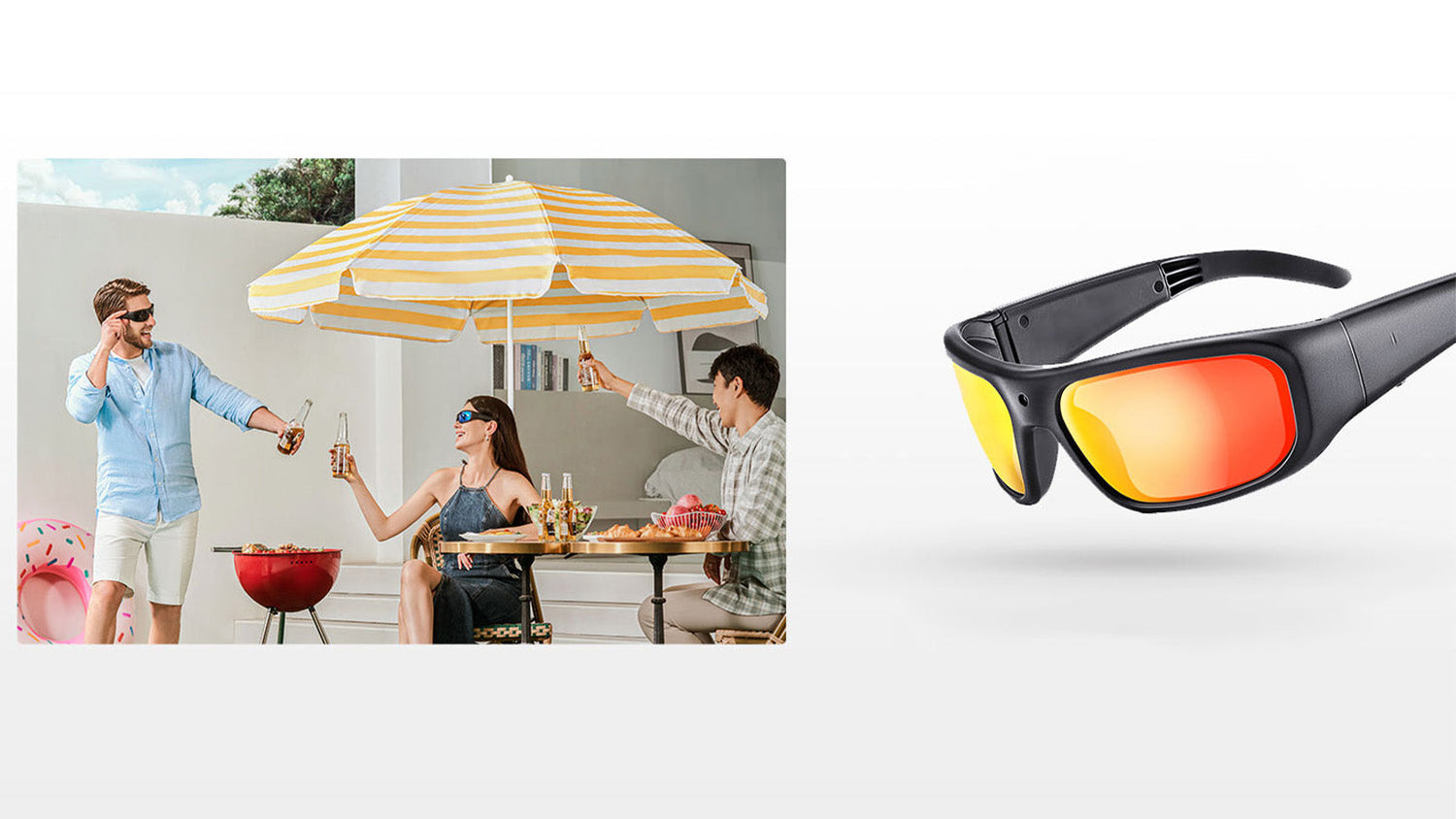
AI translation glasses are becoming useful because real conversations do not always happen at a desk. They happen in airports, hotels, meetings, classrooms, and busy streets. The best use cases are not about replacing every translator. They are about helping people understand and respond faster in everyday cross-language moments.
What AI Translation Glasses Actually Do
AI translation glasses are smart glasses that help users communicate across languages. They usually use built-in microphones to pick up speech, then process that audio through a connected phone, app, or AI system. The translated result may come back as spoken audio, on-screen text, or both, depending on the product design.
They work best for clear, practical conversations, such as directions, greetings, travel questions, simple service needs, and light business communication. For legal, medical, financial, or safety-critical situations, users should still rely on a qualified interpreter or confirmed written translation.
Travel Scenarios Where Translation Glasses Make Sense
Travel is one of the strongest use cases for AI translation glasses. A traveler may need to speak with hotel staff, restaurant servers, taxi drivers, tour guides, shop owners, or transportation workers. These talks are often short, but they can decide whether the day goes smoothly.
Phone translation apps can help, but they are not always convenient. You may be carrying luggage, holding a ticket, standing in line, or walking through a station. Pulling out a phone, unlocking it, opening an app, and pointing the screen toward someone can slow the moment down.
Smart glasses with translation can make these exchanges feel more natural. The user can keep the glasses on, listen through open-ear audio, and stay aware of the surroundings. Open-ear audio means the speakers sit near the ears without sealing the ear canal, so the wearer can hear both digital audio and nearby sounds.
Travel situations where translation glasses may help include:
- Asking for airport gate or train platform information
- Checking in at a hotel
- Ordering food or asking about ingredients
- Explaining a destination to a driver
- Asking for prices or return policies in a shop
- Following basic tour or service information
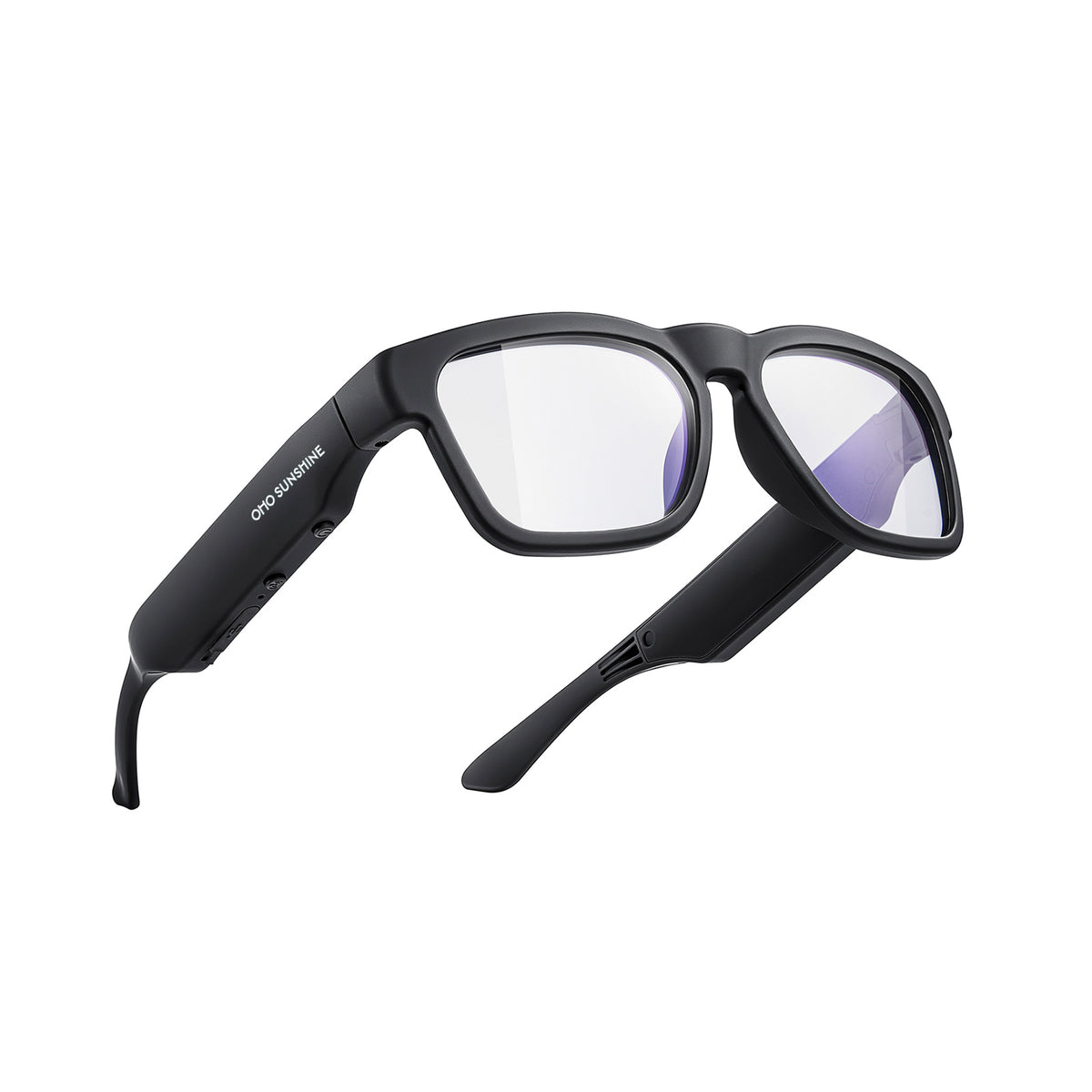
For travelers who want translation, audio, and calls in one wearable, GlobeEar smart glasses combine open-ear Bluetooth audio, hands-free calling, AI Chat, and 165-language real-time translation in an everyday eyewear design. This kind of setup can be useful when the same pair of glasses needs to support listening, communication, and travel help during the day.
The key is to use translation glasses for the right kind of travel talk. They are helpful for short, common conversations. For immigration, medical care, contracts, or emergency communication, it is safer to use a qualified interpreter or confirmed written translation.
Business and Work Conversations That Benefit From Translation Support
AI translation glasses can also help in business settings, especially when the conversation is informal or early-stage. At trade shows, company visits, international networking events, and supplier introductions, people often need quick conversation support before moving into deeper discussion.
In these settings, the goal is usually not perfect word-for-word translation. The goal is to keep the conversation moving. A person may want to greet someone, explain a product category, confirm a meeting time, ask a basic question, or understand the general direction of a conversation.
AI translation glasses can be useful for:
- Trade show introductions
- Informal networking
- Supplier visits
- Cross-border team check-ins
- Short product or service explanations
- Light customer support conversations
Business users should still be careful with complex terms. Industry language, legal phrases, numbers, and product specifications can be easy to misunderstand if the setting is noisy or the speaker talks quickly. For formal contracts, medical discussions, legal topics, or financial agreements, a professional interpreter or written confirmation is still the safer choice.
Used in the right way, AI translation glasses can make first contact easier. They can help people start conversations before a formal translation process or written follow-up is needed.
Language Learning and Daily Practice
AI translation glasses can also support language learners. They should not be treated as a shortcut that replaces study, grammar practice, or real speaking effort. However, they can make daily exposure easier.
A learner can use translation glasses to hear short phrases, compare familiar words, and build confidence in simple conversations. This may be useful during travel, language exchanges, tutoring sessions, or daily practice with friends and coworkers.
For learners, the best use is active practice. That means listening, repeating, checking meaning, and trying to respond, not only waiting for the glasses to do the work. Translation support can lower the fear of making mistakes, but improvement still comes from regular use.
Daily practice scenarios may include:
- Asking simple questions in another language
- Comparing translated phrases with what you already know
- Practicing pronunciation during travel
- Listening to common phrases in real settings
- Building confidence before longer conversations
The biggest value is comfort. When language support is easier to access, people may be more willing to start conversations. That confidence can be just as important as the translation itself.
Features to Check Before Using AI Translation Glasses
The right pair depends on more than the number of languages listed. Buyers should also look at how the glasses translate, how they sound, what devices they require, and whether they feel comfortable enough for daily use.
Language Coverage and Translation Mode
Language coverage tells you which languages the glasses can support. Translation mode tells you how the experience works. Some products focus on two-way spoken translation, while others show text on a screen or rely more heavily on a phone app.
Two-way translation is helpful when both people are speaking. Audio translation can feel natural during travel because the user does not need to keep looking down at a screen. Text display may be useful for users who prefer reading while listening.
Do not judge the product only by the largest language number. Check whether your needed language pairs are included, whether the translation works in both directions, and whether the mode fits the way you plan to speak.
Audio Clarity and Microphone Pickup
Clear audio is important because translation starts with hearing the speech correctly. If the microphone does not pick up the speaker well, the translation may not be useful. This matters in airports, restaurants, shops, trade shows, and other noisy places.
Bluetooth audio glasses can also be useful beyond translation. Bluetooth is a short-range wireless connection that links the glasses to a phone or other supported device. With the right design, the same glasses may support calls, music, navigation prompts, and translated speech.
Look for a setup that supports clear listening and easy calling. For daily use, translation glasses are more useful when they also work well as audio glasses.
Phone App and Internet Requirements
Many AI translation glasses work through a connected phone, app, or internet connection. The glasses may capture speech, while the app or AI system helps process the translation and return audio or text.
Before travel or meetings, users should test the app, language settings, and phone connection at home. Some real-time translation features may need mobile data or Wi-Fi, while basic Bluetooth audio and calls may work through a normal phone connection.
For backup, travelers can also download offline language packs in a phone translation app before leaving. A simple setup check can make translation smoother when a real conversation starts.
Battery Life, Comfort, and Lens Design
Battery life matters because translation, calls, audio, and AI features can all use power. A pair that works for a short demo may not be enough for a long travel day, trade show, or full afternoon of errands.
Comfort matters just as much. Translation glasses are worn on the face, so weight, frame shape, temple pressure, and lens type affect whether people keep wearing them. A pair that feels good for ten minutes may feel different after several hours.
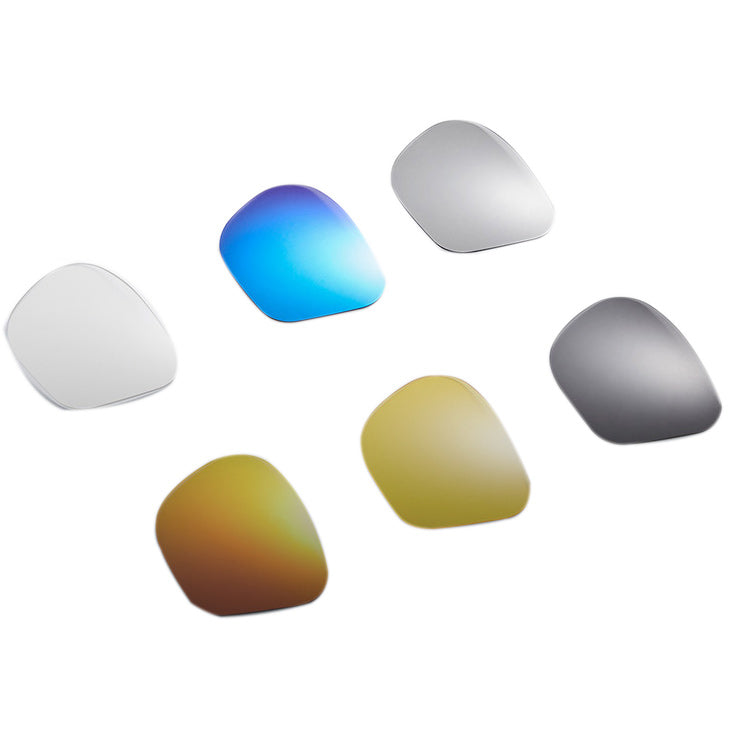
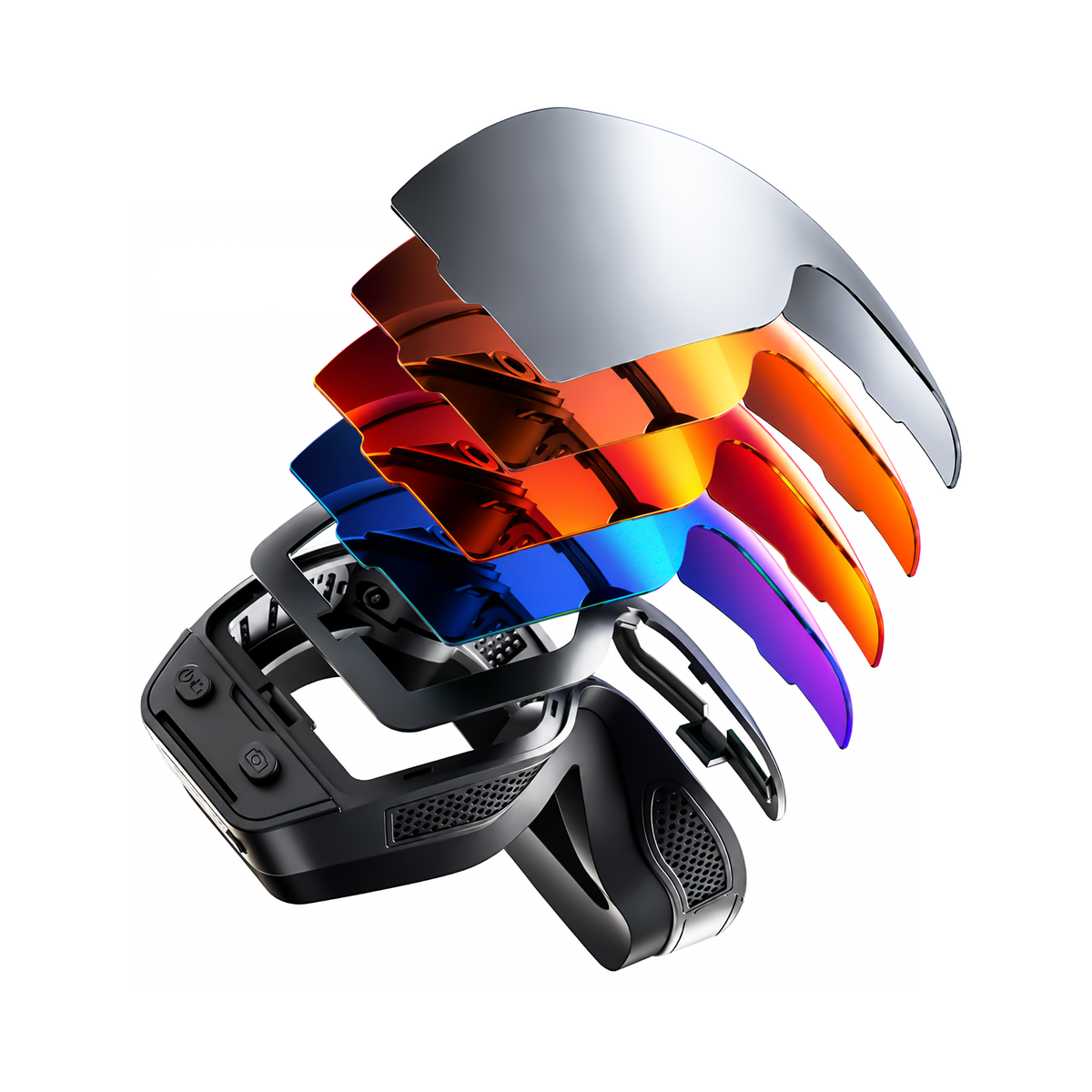
Lens design can also add daily value. Photochromic lenses darken in sunlight and become clearer indoors. Blue-light-blocking lenses filter part of the blue light reaching the eyes from screens and other sources. These features can make the glasses feel more like everyday eyewear, not only a translation device.
Privacy and Setting Awareness
Translation glasses should be used with respect for other people and local rules. In some workplaces, schools, events, or private spaces, recording, translating, or using connected devices may require permission.
Even when the glasses do not record video, people may still be unsure how the device works. It is better to be clear when using translation in a conversation. For business or classroom use, tell the other person that you are using translation support.
Good communication is not only about technology. It is also about trust. Using AI translation glasses openly and respectfully helps avoid confusion.
When AI Translation Glasses Are the Right Fit
AI translation glasses are the right fit when language support needs to be quick, wearable, and easy to access. They are especially useful when the user wants to keep moving, keep eye contact, or avoid holding a phone during every short exchange.
They make the most sense for travelers, international students, trade show visitors, multilingual families, language learners, and people who often speak with customers or coworkers from different language backgrounds.

They are less ideal as the only translation method for high-stakes conversations. A business contract, medical instruction, legal form, or safety-critical message should still be checked with a professional interpreter or written translation.
The best way to think about AI translation glasses is simple. They are tools for everyday communication support. They help people begin, continue, and understand conversations that might otherwise stop too soon.
Find Translation Glasses for Real Conversations
AI translation glasses work best when they match real-life moments: travel questions, short business conversations, daily practice, and simple multilingual exchanges. Check language support, audio clarity, app needs, battery life, comfort, and privacy before choosing a pair. The right glasses should make communication feel easier without making the situation more complicated.
AI Translation Glasses Questions and Answers
Q1. How Do AI Translation Glasses Work?
AI translation glasses usually use microphones to capture speech, then process that speech through a phone app, AI system, or cloud service. The translated result may come back as audio, text, or both. The exact process depends on the model.
Q2. Do AI Translation Glasses Need Internet?
Many AI translation glasses need internet access for real-time translation because the speech processing often happens through an app or online system. Some basic Bluetooth functions may still work without internet. Always check the product requirements before travel.
Q3. Are AI Translation Glasses Better Than Phone Translation Apps?
AI translation glasses can be more convenient when you want hands-free communication, open-ear audio, and less phone handling. Phone apps may still be better for scanning menus, reading long text, or using offline language packs. Many travelers may use both.
Q4. Can AI Translation Glasses Be Used for Business Meetings?
They can help with light business conversations, trade shows, networking, and simple meeting support. For formal contracts, legal topics, medical information, or important financial details, use a qualified interpreter or written confirmation. AI translation is helpful, but it should not be the only method for high-stakes communication.


Zanechať komentár
Všetky komentáre sú pred zverejnením moderované.
Táto lokalita je chránená testom reCAPTCHA a vzťahujú sa na ňu pravidlá ochrany súkromia a podmienky poskytovania služby hCaptcha.