















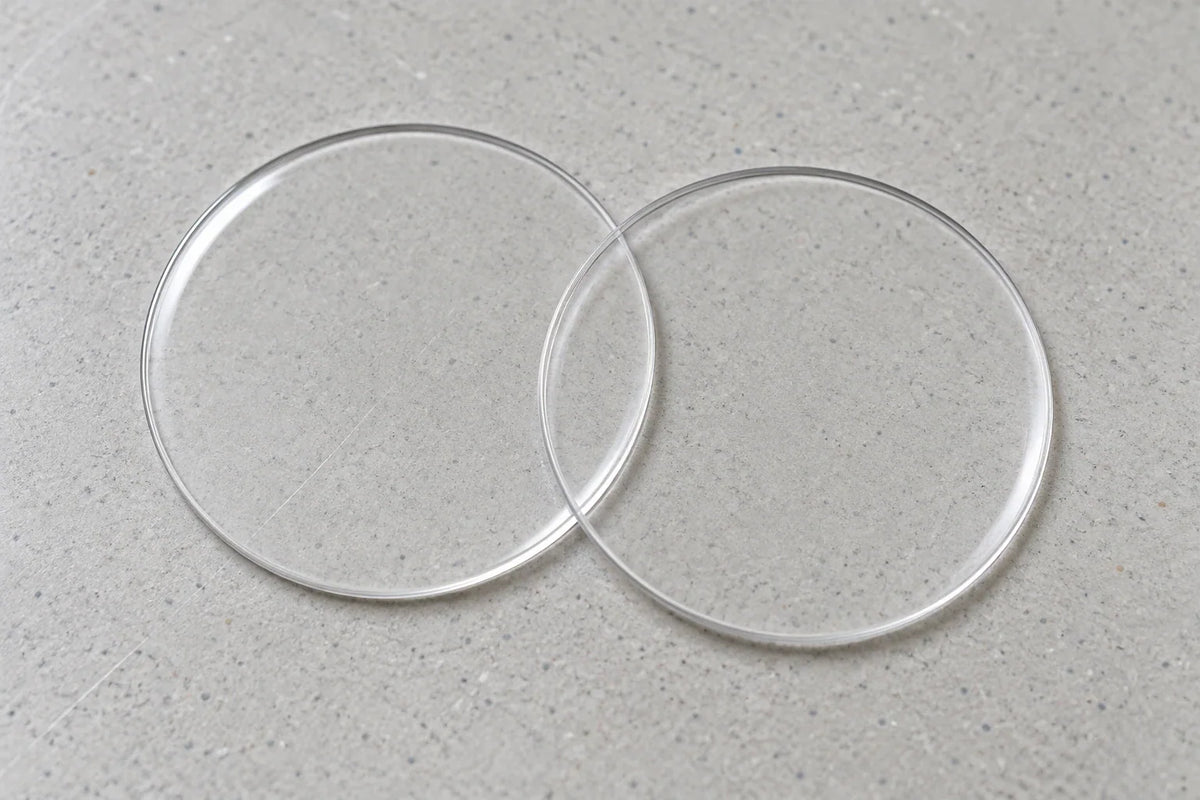
Neither lens type is better for everyone. The single vision vs progressive choice depends on two things: the correction your prescription calls for and the distances you use most. Single vision lenses fit when your prescription covers one viewing range and your day centers on that range. Progressive lenses are the option to discuss when you need near and distance correction in one pair.
If your prescription doesn't make its intended use clear, ask your eye-care professional before you order. Your age or task preferences alone can't settle which correction you need, and the wrong choice can leave you with a pair built for a different distance than the one you use most.
Key Takeaways
- No lens type wins for everyone. Match the prescribed correction to the viewing ranges you actually use.
- One prescribed range that matches your regular tasks points toward single vision lenses.
- Needing near and distance correction in one pair points toward a talk about progressive lenses.
- If your prescription's intended use is unclear, clarify it with an eye-care professional.
How Single-Vision and Progressive Lenses Differ
Single-Vision Lenses
According to the National Eye Institute, the single-vision lens range covers near vision or distance vision, but not both. For nearsightedness, these lenses help you see things far away. For farsightedness, they help you see things up close. That one-range design is simple, and it also sets the limit: a pair made for one distance won't correct the other.
For presbyopia, the age-related loss of close focus, the American Optometric Association's guideline describes a clear near single-vision tradeoff. Single-vision spectacles with the near correction give a wide field of view, which the guideline says no other spectacle option for presbyopia matches. The cost is blurry distance vision while you wear them. In practice, that means near-only glasses work well at a desk or with a book, but you would need to look over them or take them off to see across the room clearly.
Progressive Lenses
The NEI describes progressive lens design as multifocal, meaning one lens corrects more than one distance. Unlike bifocals, progressives have no visible line between the near and distance areas. That makes them look like ordinary single-vision glasses from the outside.
For presbyopia, the AOA guideline explains how the progressive lens corridor works. A corridor of gradually changing power connects the distance portion at the top with the near portion lower down, and it can provide clear vision across a range of distances. Progressive designs are not all the same, though. The guideline notes that they differ in power distribution and transition. Corridor length, the size, shape, and location of the near zone, and how distance blends into near are all parameters fitted to individual needs. So the category name alone can't tell you whether a specific progressive design will suit you.

Which Lens Fits Your Everyday Tasks?
Choose Single Vision for One Prescribed Range
If your prescription specifies one viewing range and most of your day happens at that range, single vision is the task-based option. Following NEI's lens guidance, a distance-only pair suits someone whose main tasks are far away, like driving or watching a game. A near pair suits someone whose day centers on close work. Remember that this category distinction doesn't define your prescription. It only helps you check whether the pair you're ordering matches how you'll use it.
Near-only correction for presbyopia needs one extra check. The AOA guideline says the distance blur from these glasses should be shown to the patient before they are prescribed for near use only. If you're considering reading-only single vision, ask your eye-care professional to let you see that blur first. Then decide if you can live with taking the glasses off for distance tasks. If your prescription doesn't say which range it is meant for, get that clarified instead of guessing.
Discuss Progressives for Near and Distance in One Pair
If your prescription calls for both near and distance correction and you want both covered without switching glasses, progressives are the option to bring up. They work best for routines that move back and forth between close and far, such as reading notes and then looking up at the road or across a room. Your prescribed correction still decides the question. A preference for one pair doesn't mean a progressive design suits your specific prescription.
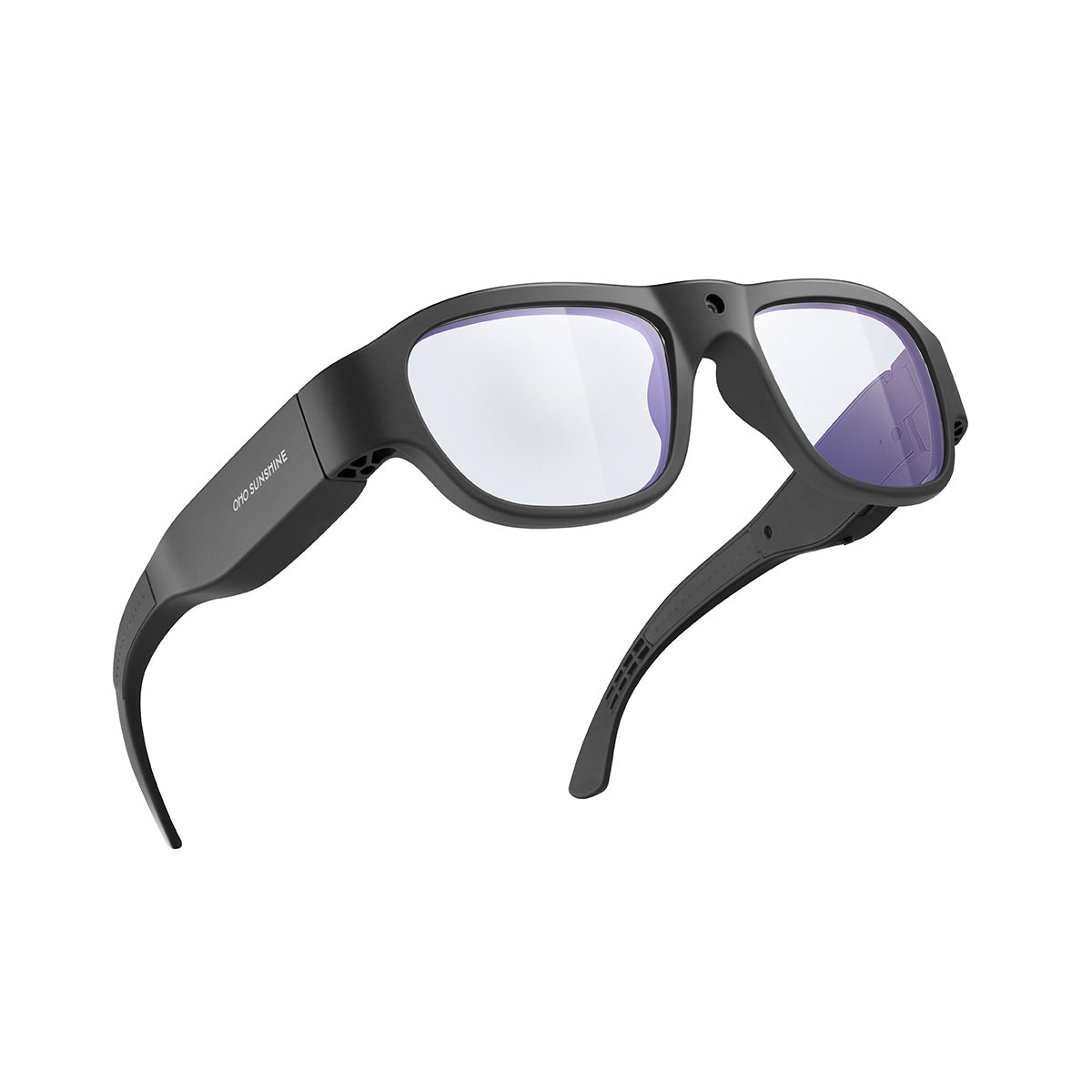
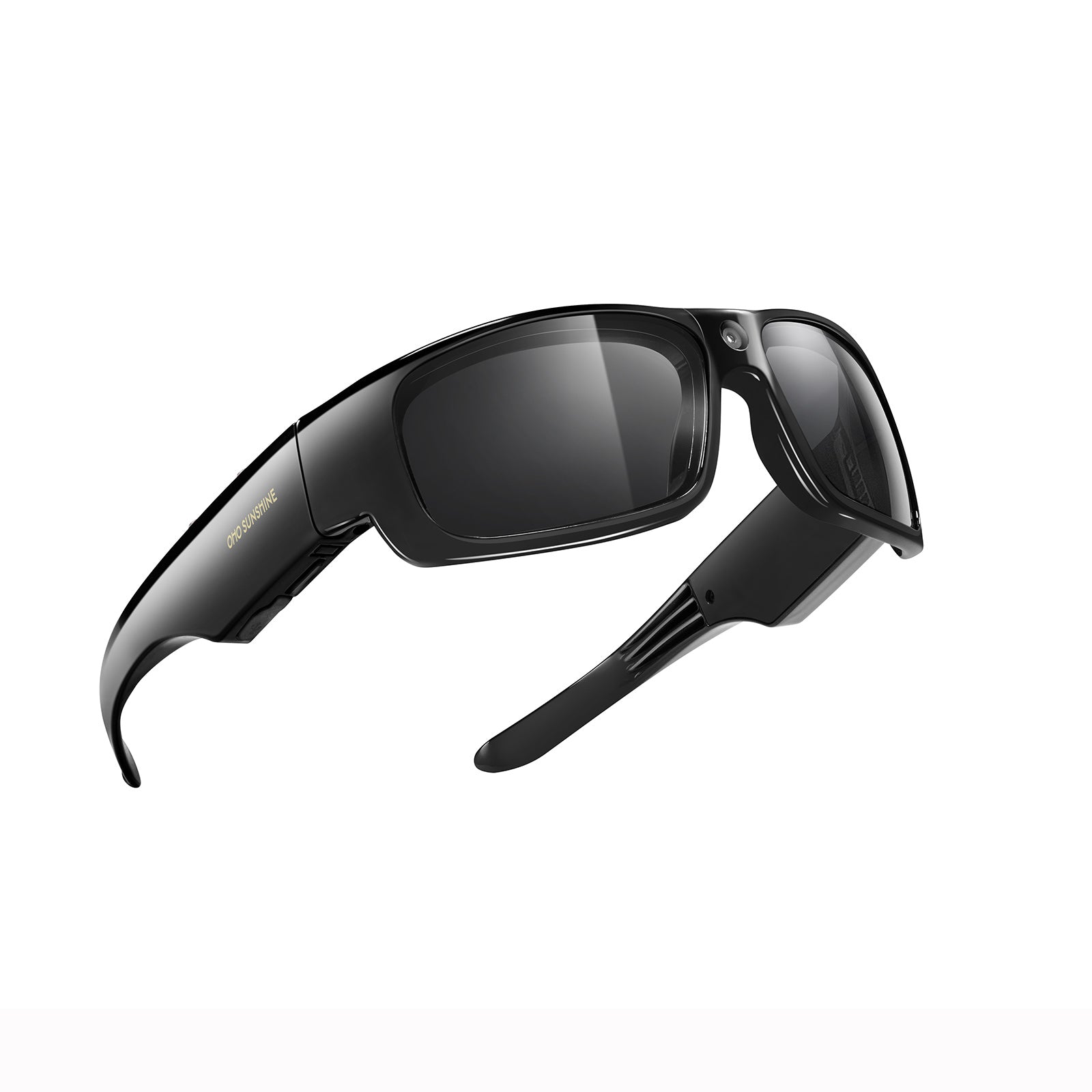
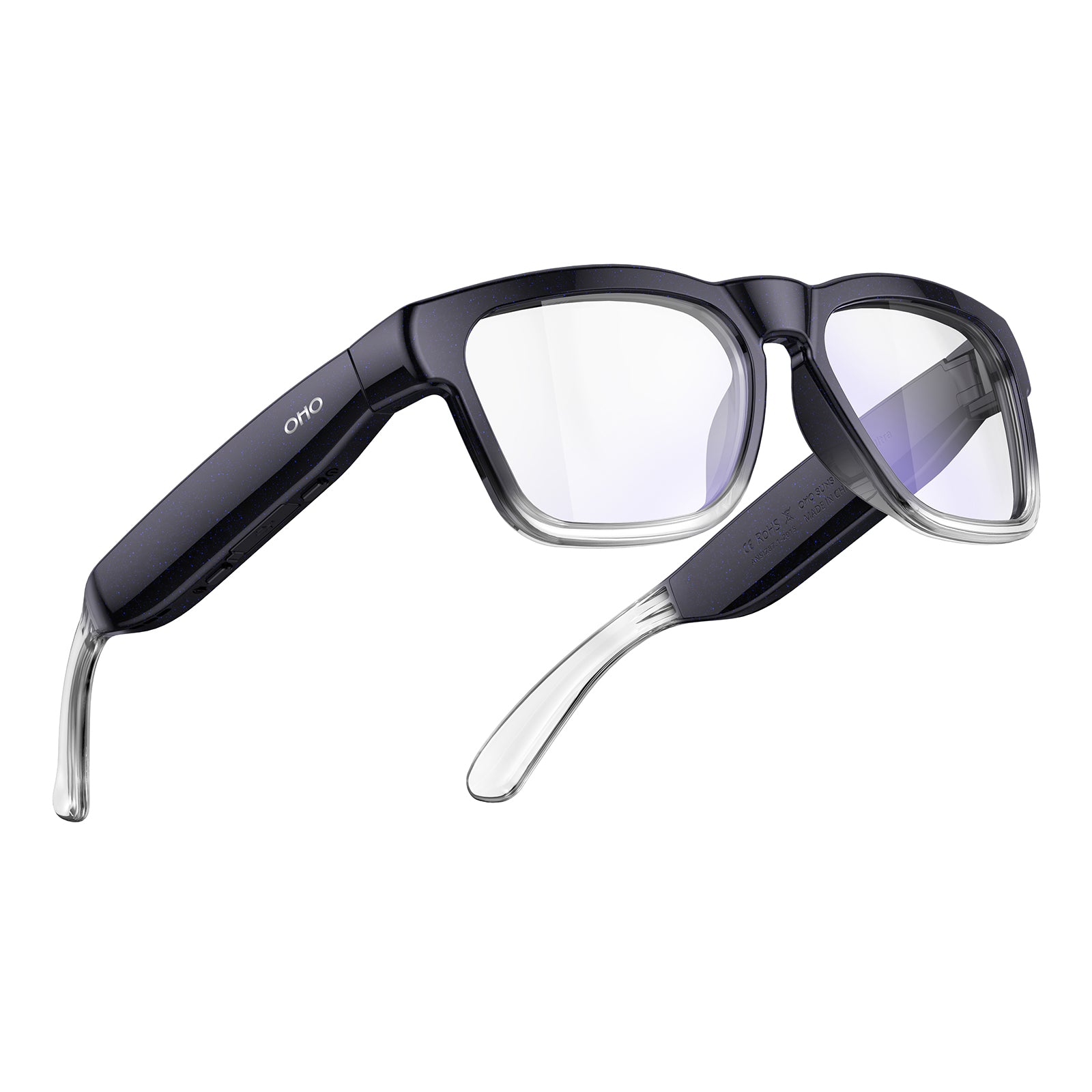
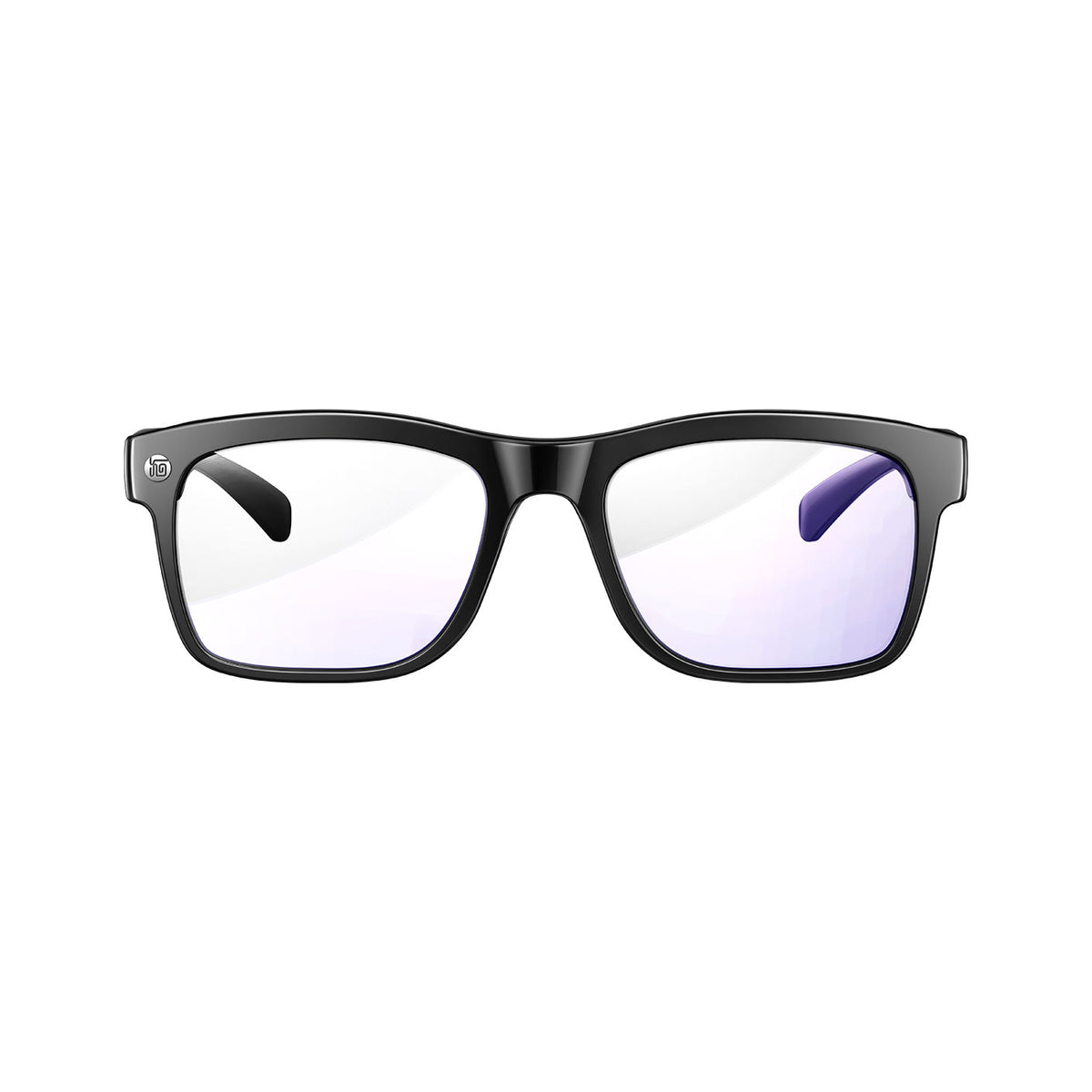
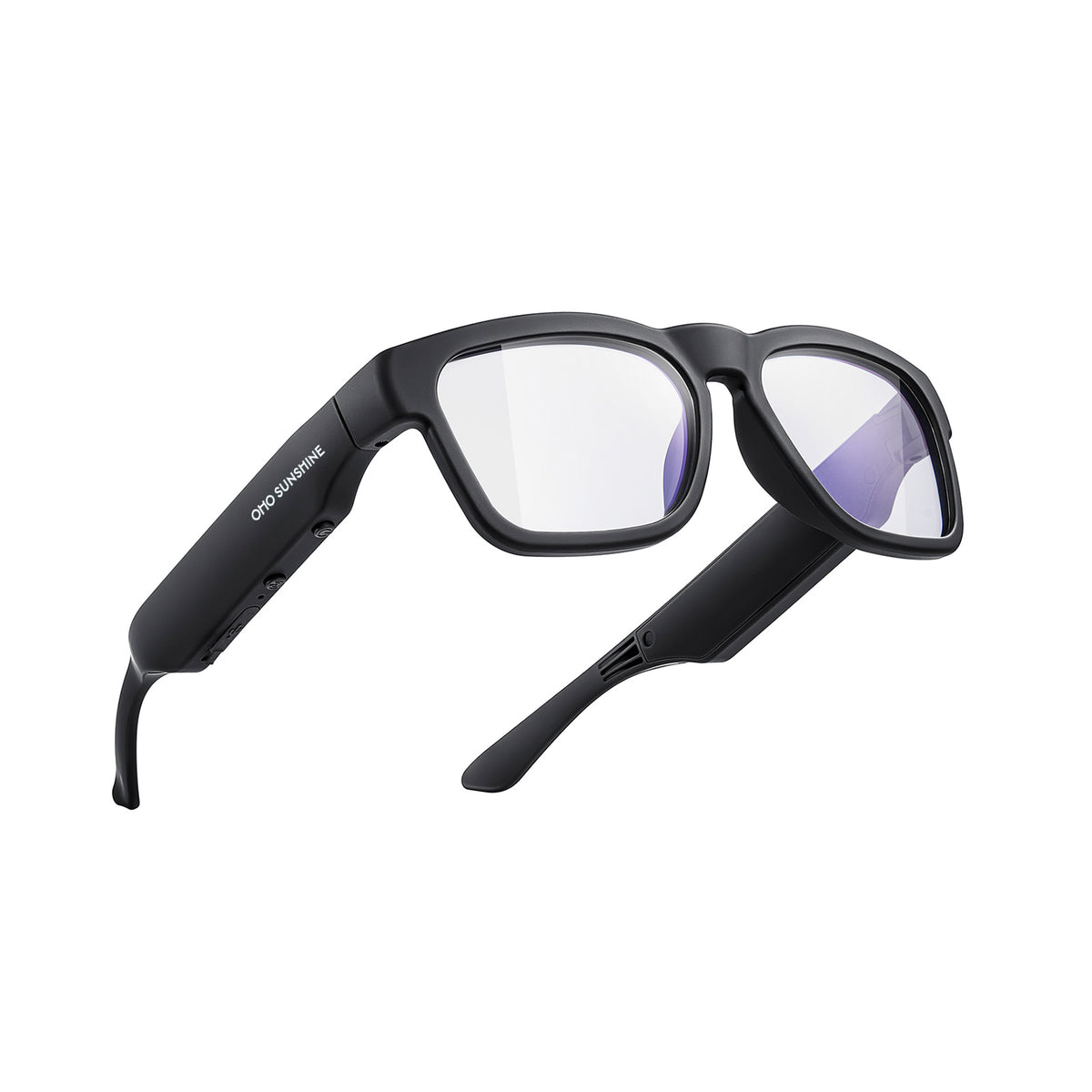
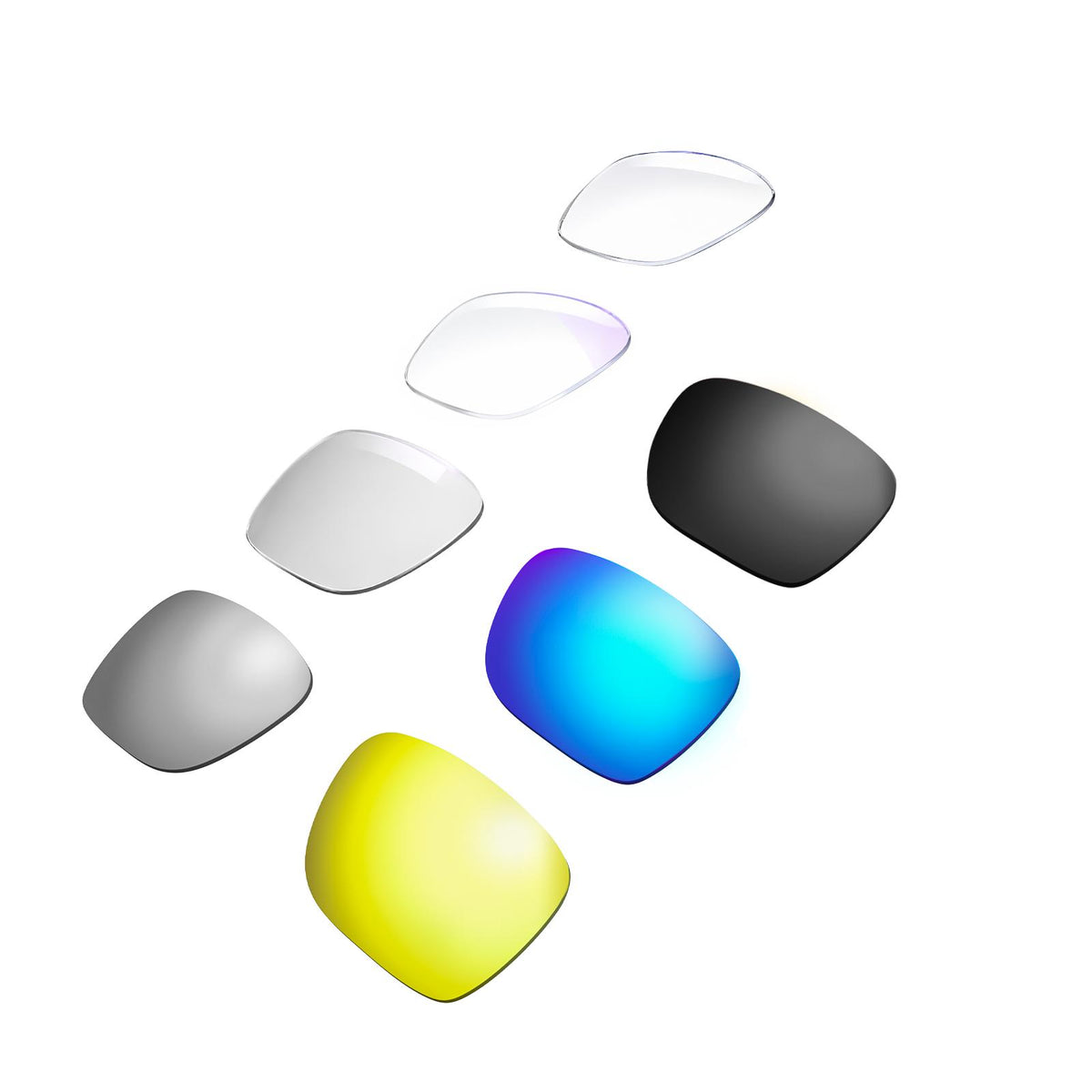
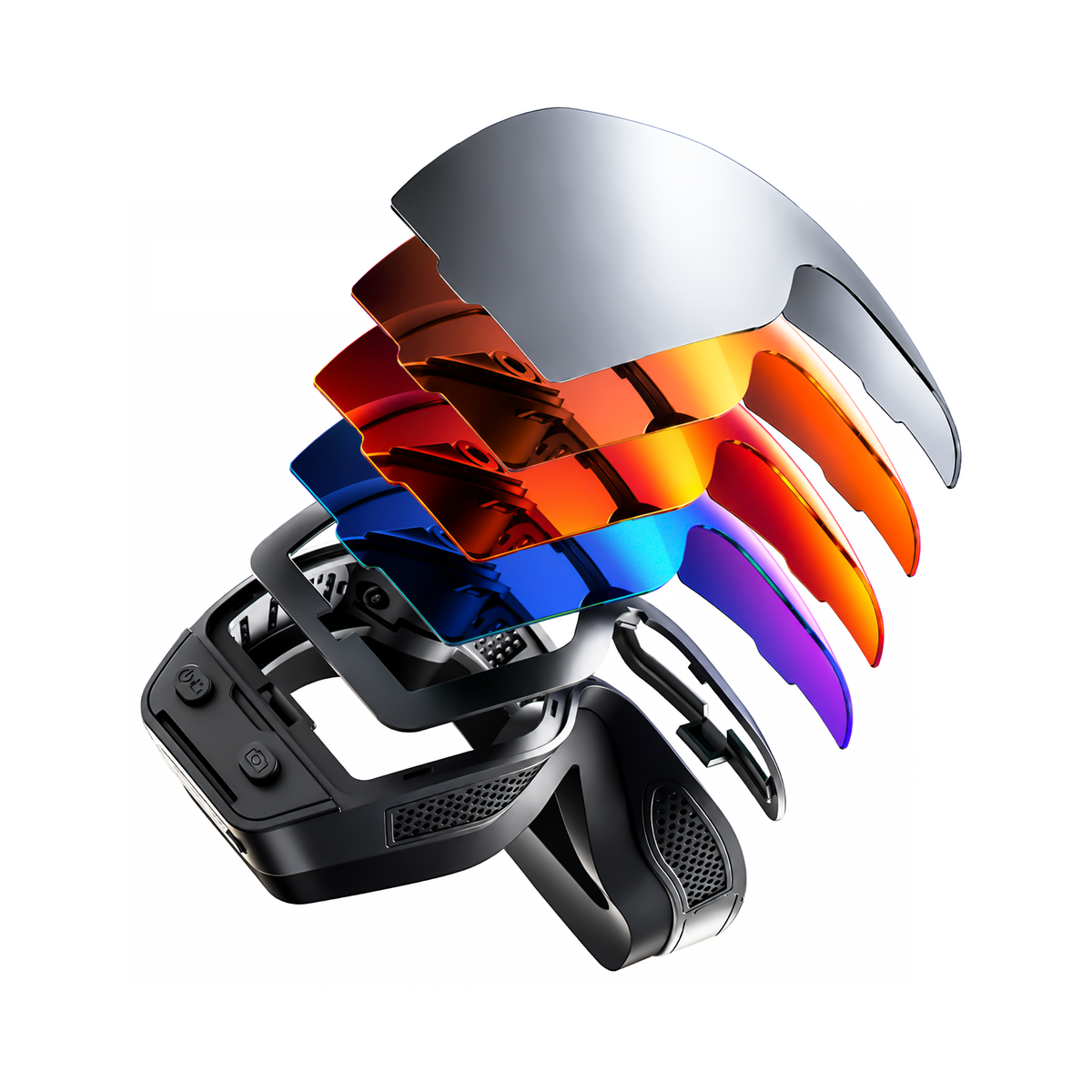
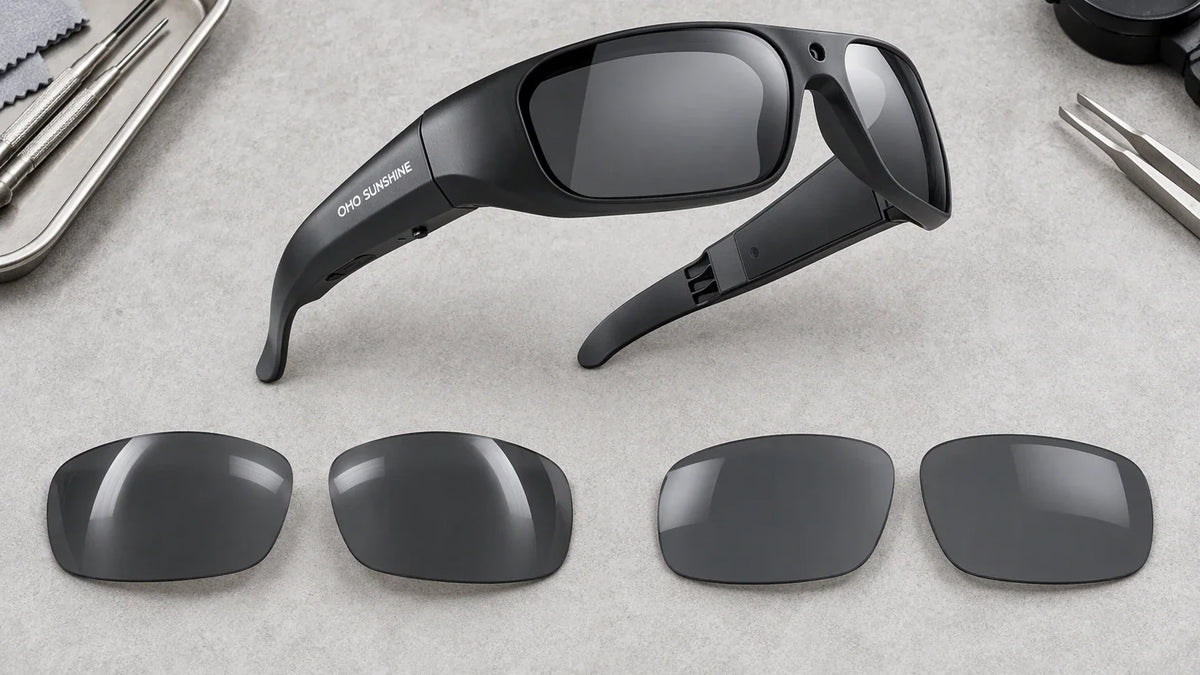
For owners of compatible OHO SUNSHINE smart glasses, we offer replacement prescription lenses in both single vision and progressive prescription types. That means you can keep your audio frames and order the design your prescription calls for. You can also match a lens type to your day: Blue Light Blocking for screen-heavy work and reading, Photochromic for changing indoor and outdoor light, or Polarized Black to cut glare while driving or outdoors. Index options run from Standard 1.56 to Extra Thin 1.74 for stronger prescriptions up to ±12.00 SPH. Compatible models include Alite, Edge, Touch, Focus, and others, and shipping is free. Only the lenses are included, not frames. If you don't yet own a frame, our prescription smart glasses come with prescription lens options built in.

Conclusion
The choice between single vision and progressive lenses comes down to matching your prescription to your daily viewing distances. Single vision fits best when your prescription covers one range, while progressives are worth discussing if you need both near and distance correction in a single pair. If your prescription's intended use is unclear, ask your eye-care professional before ordering so you can choose the right design for your routine.
FAQs
How long does it take to adjust to progressive lenses?
No set timeline is supported. The AOA adaptation guidance says only that some patients may need time to adapt to and accept progressive designs, and it gives no duration. If you're switching to progressives, plan for an adjustment period. Tell your eye-care professional if the adjustment doesn't settle, because designs differ in corridor and near-zone layout.
Can progressives work for computer use?
The AOA's range-of-distances guidance says progressives can provide vision across a range of distances for presbyopia. It doesn't confirm a fit for any particular screen distance or prescription. If computer work fills most of your day, tell your eye-care professional how far away your screen sits so they can account for it. For long screen days, you can also look at lens types made for that setting.
Can single-vision glasses cover both reading and driving?
Not in one pair. Single vision corrects one range. In the NEI's reading-and-driving example, people with both presbyopia and nearsightedness can use multifocal lenses for those two tasks. That example doesn't tell you what your own prescription needs. For night driving in particular, our commute vision guide explains why verified prescription correction matters more than a blue-light label.
Are smart glasses an option if I wear prescription glasses?
They can be, as long as the frame is comfortable and the exact model has a confirmed prescription option, whether single vision or progressive. Phone support matters too. Our guide on smart glasses for prescription wearers walks through those checks before you buy.



Jätä kommentti
Tämä sivu on suojattu hCaptcha-tunnistuksella, ja hCaptchan tietosuojakäytäntöjä ja käyttöehtoja sovelletaan.