















Volunteer ski patrol can use 4K camera goggles as supplementary, first-person footage during an approved and tested task, but 4K resolution alone does not make that footage an official incident record. The goggles also cannot be assumed safe for hands-free use during emergency medical care without a documented policy and field test.
Whether they belong in your patrol's workflow depends on written authorization, validated timestamps, and tested cold-weather battery behavior, not on the camera's pixel count.
Key Takeaways
- Camera goggles may add useful supplementary context during an approved avalanche sweep, but they should not replace required radio communication, observation, or the resort's incident-report steps.
- 4K resolution describes image detail only; it does not establish timestamp accuracy, metadata integrity, privacy compliance, or acceptance as an official record.
- Hands-free recording must stop the moment it interferes with visibility, communication, avalanche procedure, or hands-on patient care.
- A published 90-minute battery figure is a manufacturer specification, not a verified full-shift or cold-weather runtime.
- Deployment needs written patrol approval, a timestamp test against a reference clock, a cold-weather runtime test, and a defined custody and access process before any footage is treated as part of an incident file.
When 4K Camera Goggles May Help Ski Patrol—and When They Do Not
Camera goggles can add a useful, first-person view during a specific patrol task, but that value depends on the task staying narrow and the recording staying secondary to required duties. The same footage that helps informally can create problems if a patrol treats it as an automatic substitute for its existing incident-report process.
The Useful Role: Supplementary First-Person Context
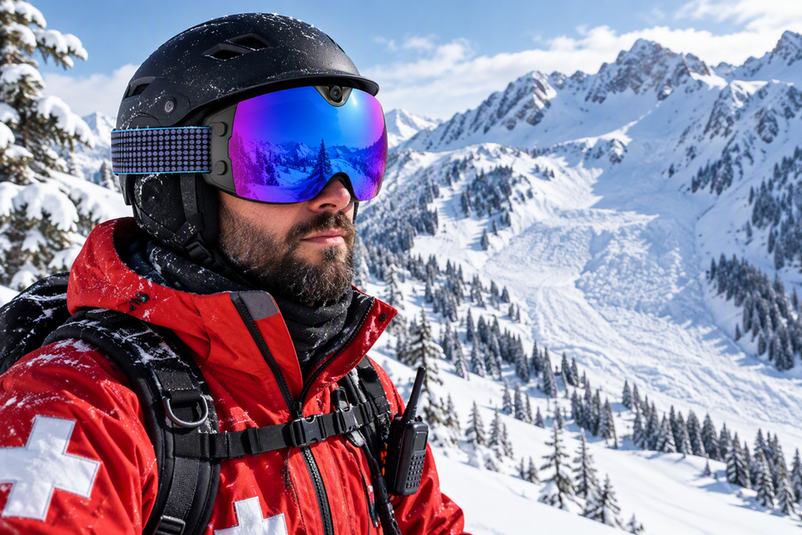
A short recorded clip from an avalanche sweep can capture terrain, snowpack signs, or scene layout that is hard to describe from memory afterward. This works best as a defined, bounded task: record a specific segment of the sweep or a specific scene, not an entire shift. Our 4K snow goggle camera collection covers models built for that kind of short recording window rather than continuous, all-day capture.

The camera should never replace the radio call, the written observation, or the patrol's standard reporting step. Visibility in flat light or heavy snowfall also affects how usable that footage actually is, which is worth checking with a real test clip; our guide on flat-light camera testing walks through that kind of check. Treat any clip as one input among several, not the full account of what happened.
Why 4K, Timestamps, and Metadata Are Separate Tests
Resolution and timestamp reliability are not the same question, and mixing them up is where patrols run into trouble. A 4K image can look sharp while its embedded date-and-time data is unverified, degraded during file conversion, or stripped entirely on export. The National Institute of Standards and Technology has flagged exactly this gap in consumer video workflows, noting that converting footage into a standard format can cause video export metadata standards to lose accuracy or drop timestamp data altogether.
That means a resort or patrol cannot assume a clip's on-screen date and time are correct just because the image quality is high. Formal acceptance into an incident file depends on the patrol's governing procedure, not on the camera's spec sheet. If your patrol has not defined how footage timestamps get verified, the video is visual context only, not a dated record.
When Hands-Free Recording Is Not Compatible With Response Duties
Hands-free capture sounds like a clear advantage during a medical response, since it frees both hands for care. But the goggles must never be prioritized over visibility, radio communication, or the steps a patient needs. If wearing or operating the goggles reduces your ability to see clearly, hear a radio call, follow avalanche procedure, or provide hands-on care, stop recording and follow your patrol's required response procedure instead.
Audio capture and footage of a patient or bystander raise separate privacy questions that a single recording decision cannot resolve. Those situations should follow your patrol's existing authorization and privacy process rather than a judgment call made in the moment. The decision to keep recording during an active response is a policy question first, not a technology feature.
How to Validate Camera Goggles Before Patrol Deployment
Before any camera goggle enters a real patrol workflow, run it through a written approval and testing sequence. Skipping straight to purchase or casual use is what turns a helpful tool into a liability.
Set Written Approval and Evidence-Handling Rules
Get formal sign-off before deploying the goggles on an active shift.
- Define the exact purpose: avalanche-sweep context, scene documentation, or another named task.
- Obtain written authorization from patrol leadership or resort safety staff covering who may record and in what scenes.
- Set rules for audio, patient footage, and bystander footage that match your patrol's privacy expectations.
- Assign who receives the original file, where it is stored, and who may access or transfer it.
- Decide explicitly whether the footage is supplementary only or eligible for the official incident file.
Preserving the original file and tracking who touches it matters even for informal use. NIST's guidance on forensic evidence handling states that at every stage, handlers must ensure evidence isn't compromised or degraded and that its evidence chain-of-custody guidance is tracked from capture through storage. Our secure work documentation checklist applies the same access-and-retention logic to a smart-eyewear recording workflow.
Validate Timestamps, Storage, and Export
Test the goggles against a known reference clock before trusting any timestamp on a real incident clip. Record what clock-setting method the device uses, its expected accuracy, and where the timestamp sits relative to the actual capture moment. A government best-practices guide for camera timing recommends capturing exactly this information alongside the footage, since a missing or wrong entry can create undetected timeline errors; the same camera timestamp validation guide applies to consumer devices used for documentation.
Keep the original file untouched and check whether the goggles' app or a USB-C transfer changes the file's metadata or converts it into a different format. If the transfer process alters the timestamp or strips data, note that limitation in your patrol's procedure before relying on the footage for an incident timeline.
Test Cold-Weather Continuity Before a Long Shift
Run a representative field test before assuming any camera goggle will cover a full volunteer shift. Set the device to your planned resolution and frame rate, take it outside at a realistic temperature, and record your normal clip pattern for the sweep or task you are planning.

- Measure the actual uninterrupted runtime, not the published spec.
- Check whether files segment or restart cleanly during a long recording.
- Note how the battery indicator behaves and whether the device recovers normally after a low-battery shutdown.
- Plan charging windows, spare batteries, or a handoff point if the tested runtime falls short of your shift length.
A manufacturer's listed battery figure describes lab conditions, not your mountain. Our camera goggle battery planning guide breaks down how cold, settings, and storage change real-world runtime, which is worth reviewing before you commit to a device for shift-length coverage.
Where a Consumer Product May Fit
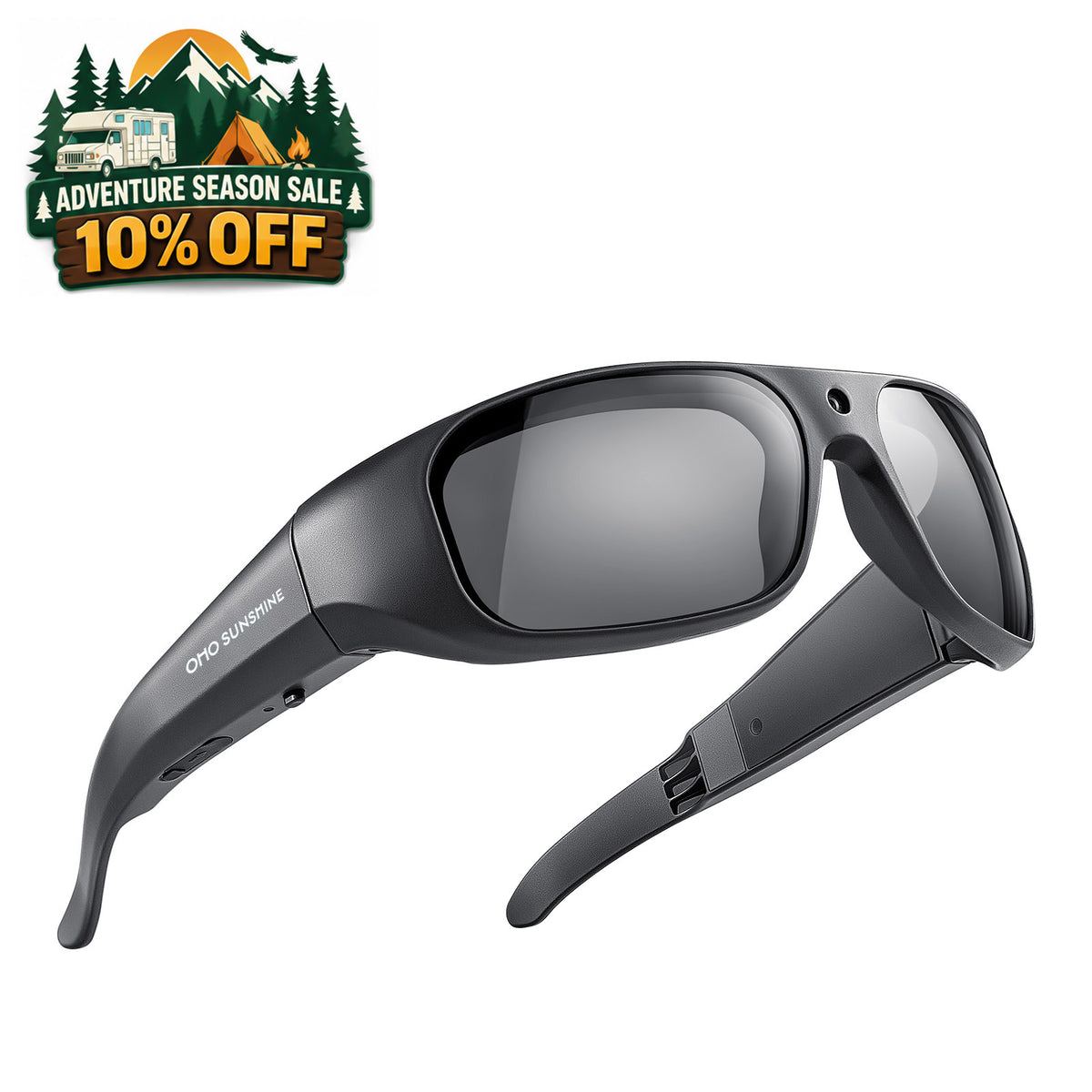
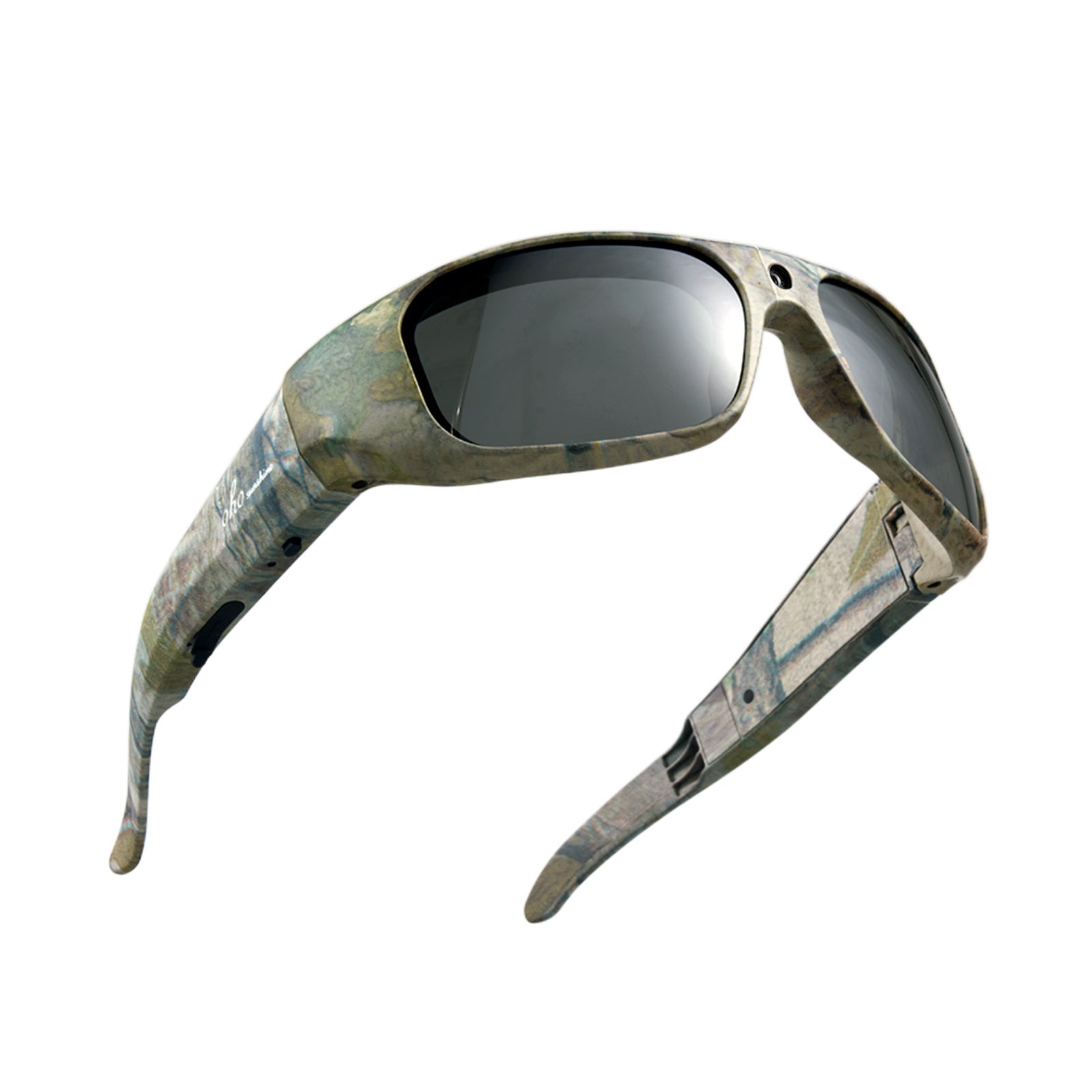
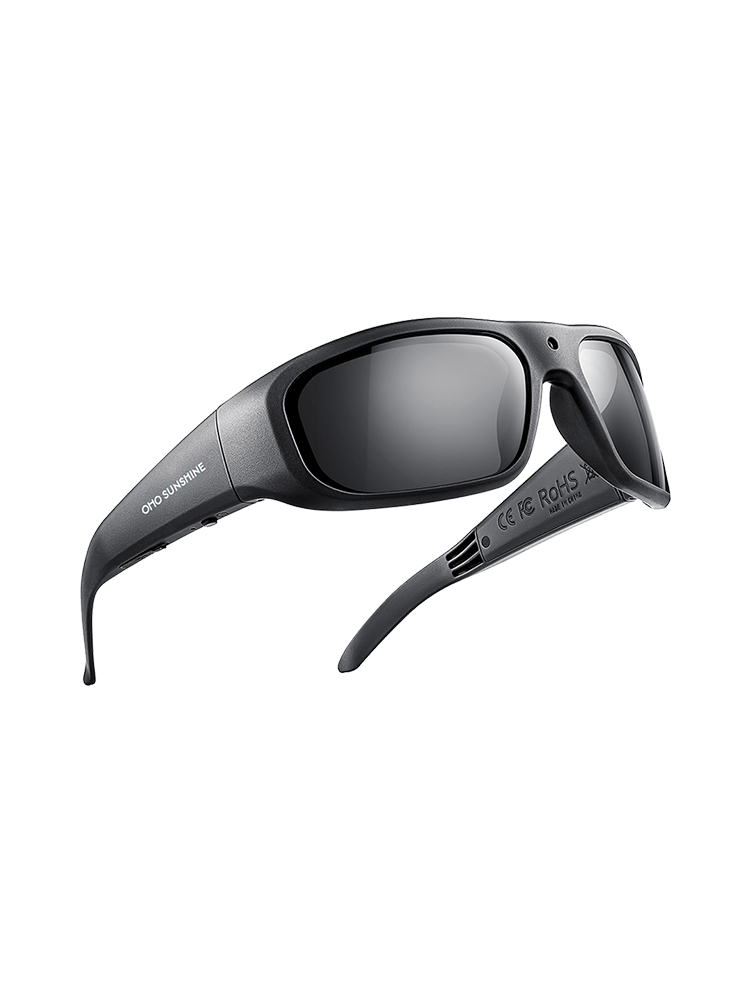
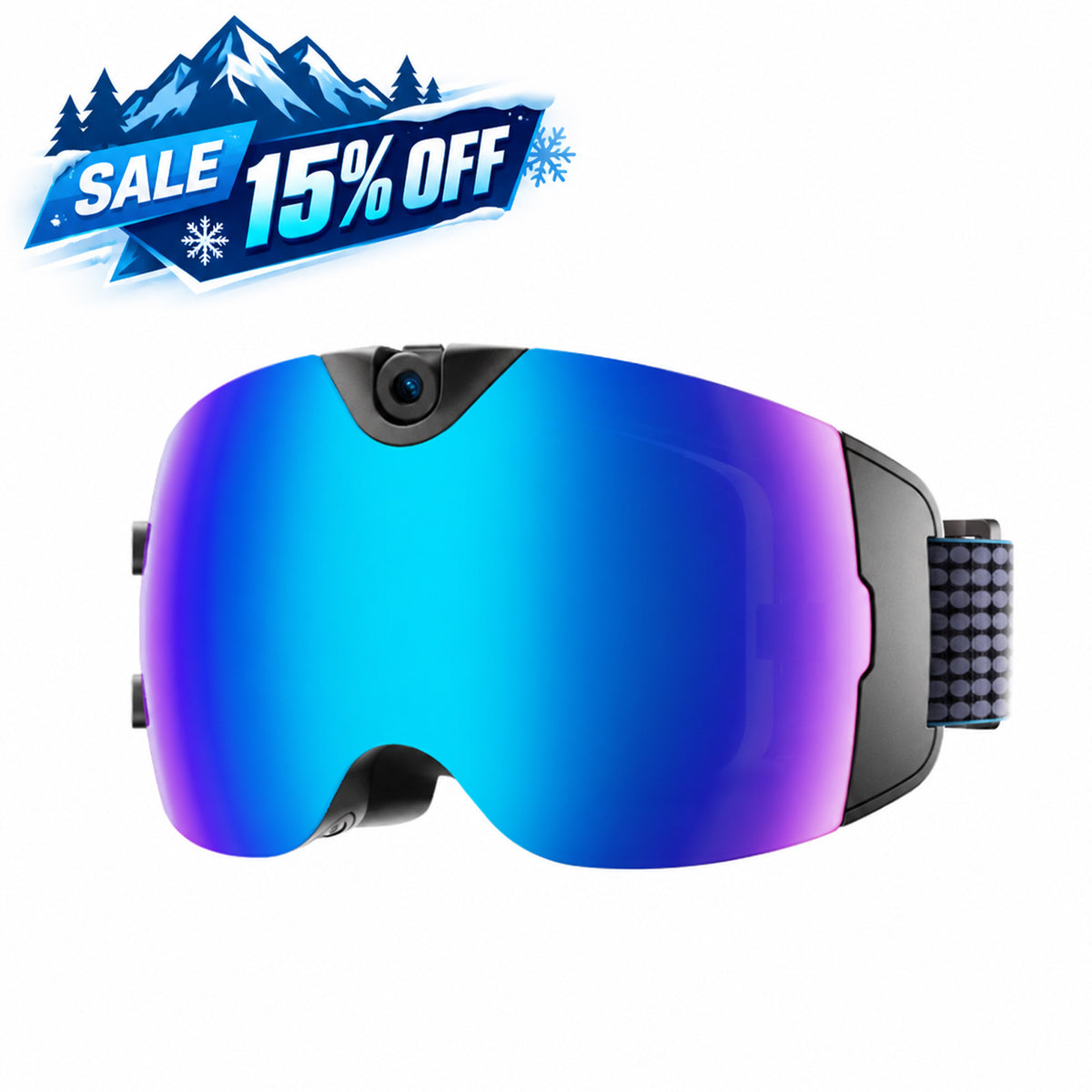
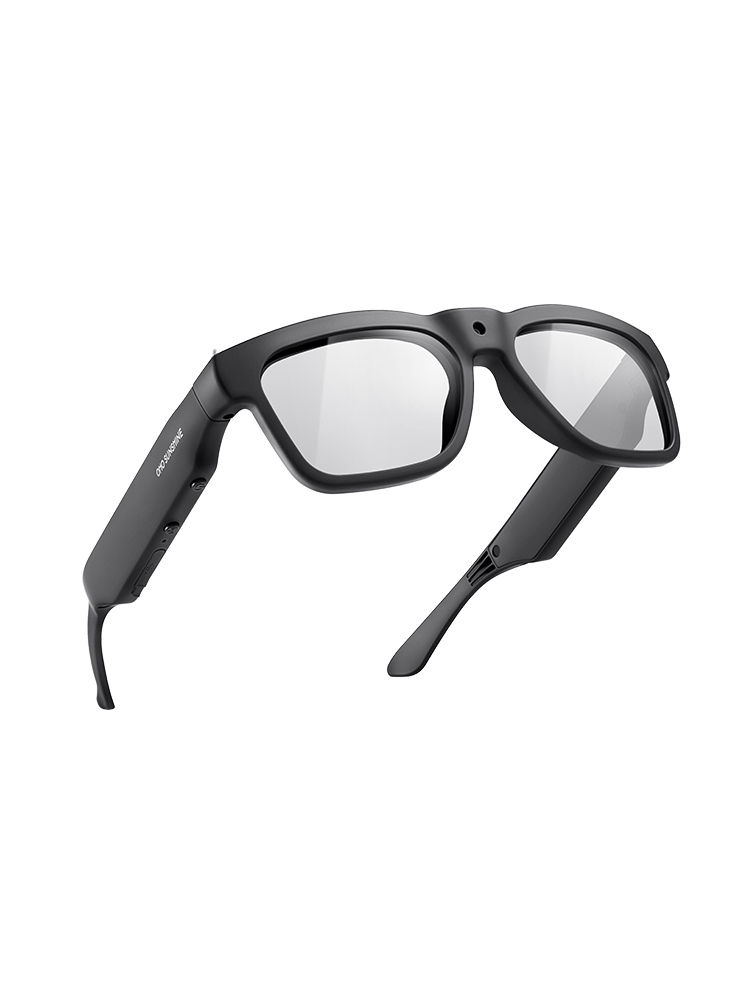
Once your patrol has settled written approval, timestamp handling, and a cold-weather test result, a consumer device like our Skyshot camera goggles can be evaluated for a short, defined recording window. The listed specifications are 4K video at 30 fps, USB-C charging, built-in storage, button and app controls, a built-in microphone, and a manufacturer-published 90-minute battery figure.
Those specifications support a bounded supplementary clip, such as a short avalanche-sweep segment or a scene overview, not a full-shift or official-record workflow. The 90-minute figure is not a cold-weather or continuous-recording guarantee, and none of the listed specs establish timestamp accuracy, medical-response safety, or resort approval on their own. Match the device to the use case your testing actually verified, and narrow the workflow instead of extending it past what you tested.
Conclusion
Before you deploy ski goggles with camera on a patrol shift, secure written sign-off from leadership and verify your procedure for storage and privacy. Completing reference-clock validation and cold-weather runtime testing ensures supplementary footage remains an operational asset rather than a liability on the mountain.
FAQs
Can a patrol use 4K camera-goggle footage as its only incident record?
No. High resolution does not make footage an official record by itself. The patrol needs procedure-level written acceptance, a validated timestamp process, and a defined custody chain before treating any clip as part of the formal incident file.
Can the timestamp on camera-goggle footage be treated as legally valid?
Treat it as unverified until tested. Compare the device against a known reference clock, and record the clock-setting method, expected accuracy, and where the timestamp sits relative to actual capture before relying on it for an incident timeline.
What should patrol members do if footage includes a patient or bystander?
Follow your patrol's privacy and access procedure rather than making an on-the-spot call. Restrict viewing and sharing to authorized staff, preserve the original file if it is retained, and do not record or release identifiable footage without documented authorization.
Does a 90-minute battery rating cover a full volunteer patrol shift?
Not automatically. That figure is a manufacturer listing, not a tested cold-weather result. Test the exact unit at realistic temperatures and settings, measure uninterrupted recording time, and build a charging or spare-battery plan around what you actually measure.



留言
此網站已受到 hCaptcha 保護,且適用 hCaptcha 隱私政策以及服務條款。