











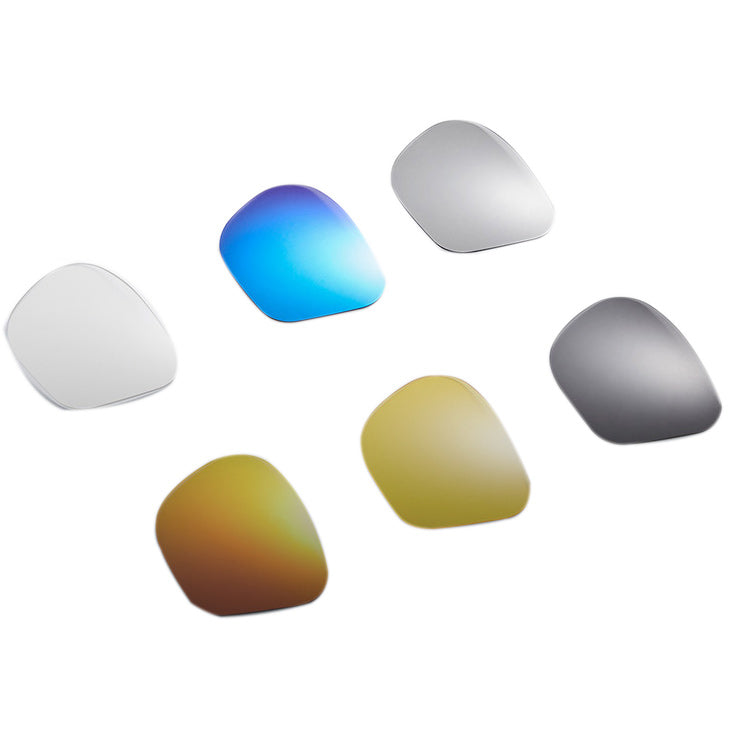
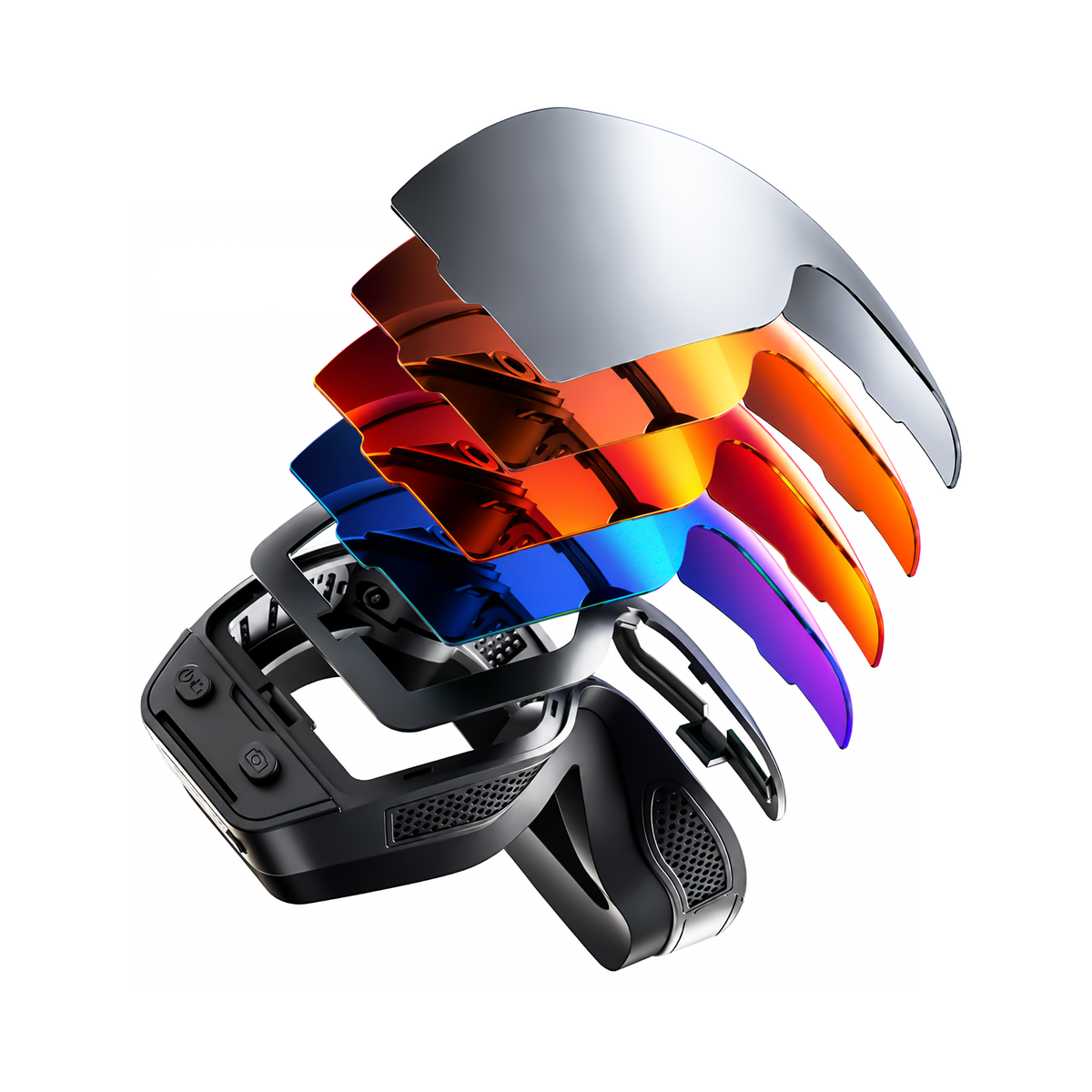



For flat light, the most specific published advice points to rose, pink, amber, copper, or light-yellow lenses. It pairs those tints with about 50 to 70% visible light transmission (VLT). That advice comes from a snowboard guide covering cloud, snowfall, and flat conditions, and the guide itself says no single VLT number fits every day.
Fog and overcast storms are different problems, so don't assume one tint handles all three. For any pair of ski goggles, choose by the lens's stated tint and its listed VLT figure, not by the color name alone.
Flat Light: What Can You Actually Choose?
When choosing a setup like our anti-fog ski goggles for flat light, start your shortlist with rose, pink, amber, copper, or light-yellow lenses in roughly the 50 to 70% VLT range. First, it helps to know what the lens is working against.
Flat light shows up when cloud cover spreads sunlight evenly across the snow. MIT's student goggle project describes how flat light obscures terrain cues: diffuse overcast light makes shadows and colors hard to see, so the terrain is harder to read. You lose the shading that normally shows where the slope rises, dips, or changes texture.

For the tint, one snowboard guide's flat-light advice tells riders to look first for a rose, pink, amber, copper, or light-yellow base tint. The same guide says a lens around 50 to 70% VLT is often a strong option for cloud, snowfall, and flat conditions. The guide was written for snowboard goggles. Skiers face the same flat-light problem, so the tint list is a reasonable place to start, as long as you treat it as one guide's advice rather than a rule for every ski lens.
Treat the range as a starting band, not a promise. The guide says there is no universal perfect figure, and no tint can put back shadows the cloud cover has removed. If the forecast calls for a gray, flat day, a lens in those tint families near that VLT band is where the published guidance points. That's the practical answer to which ski goggle lens colors for flat light deserve a first look.
How Should You Read VLT Alongside Lens Color?
VLT is the percentage of visible light a lens lets through to your eyes. A higher number means a lighter lens that passes more light, and a lower number means a darker lens. Read it as a separate spec from the color, because a tint name tells you the hue but not how much light the lens passes.
The difference matters when you compare lenses. Two lenses both sold as "rose" or "amber" can list different VLT figures, and the listed figure is what tells you how light or dark the lens will look on a gray day. The snowboard guide cited above makes the same point from the other side: understand VLT, but don't buy by the number alone. Use the tint to narrow your options, then check the stated VLT to see whether a lens falls near the flat-light band.
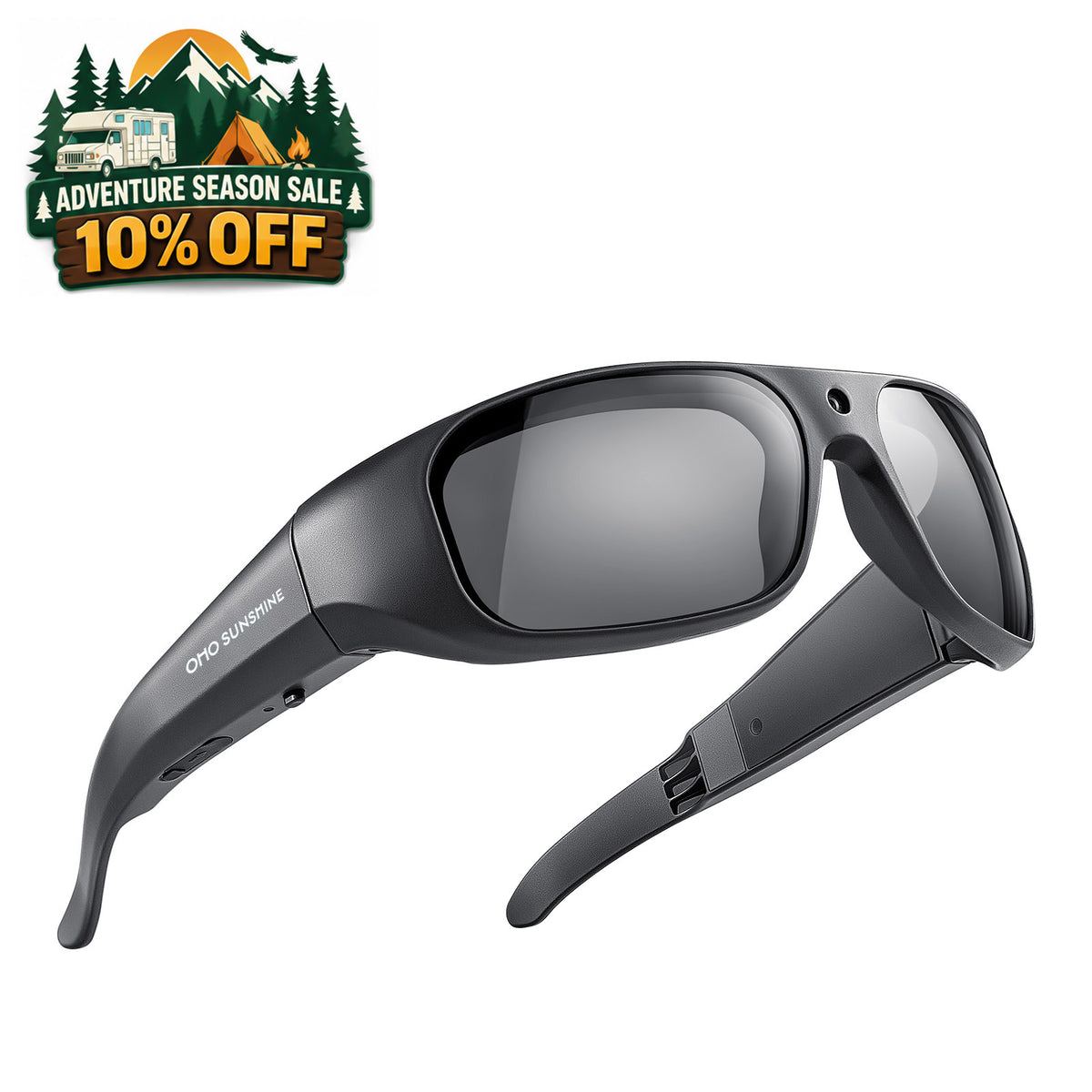
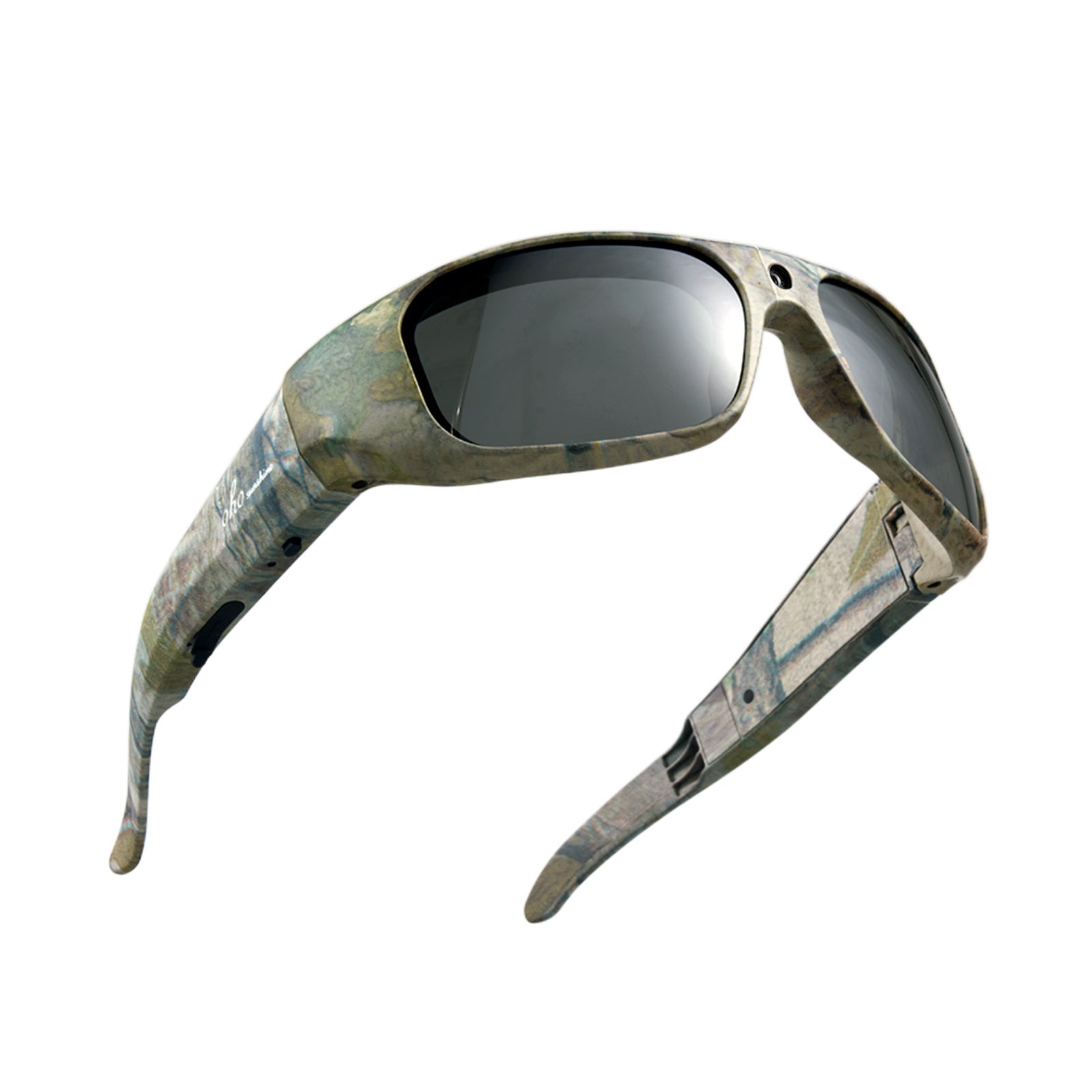
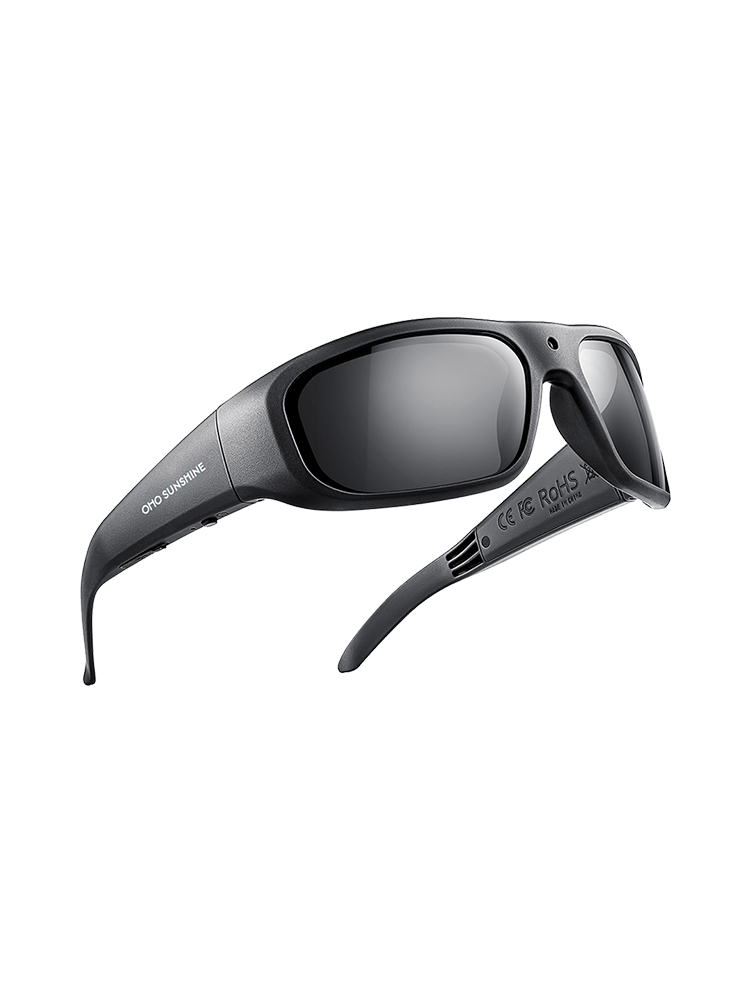
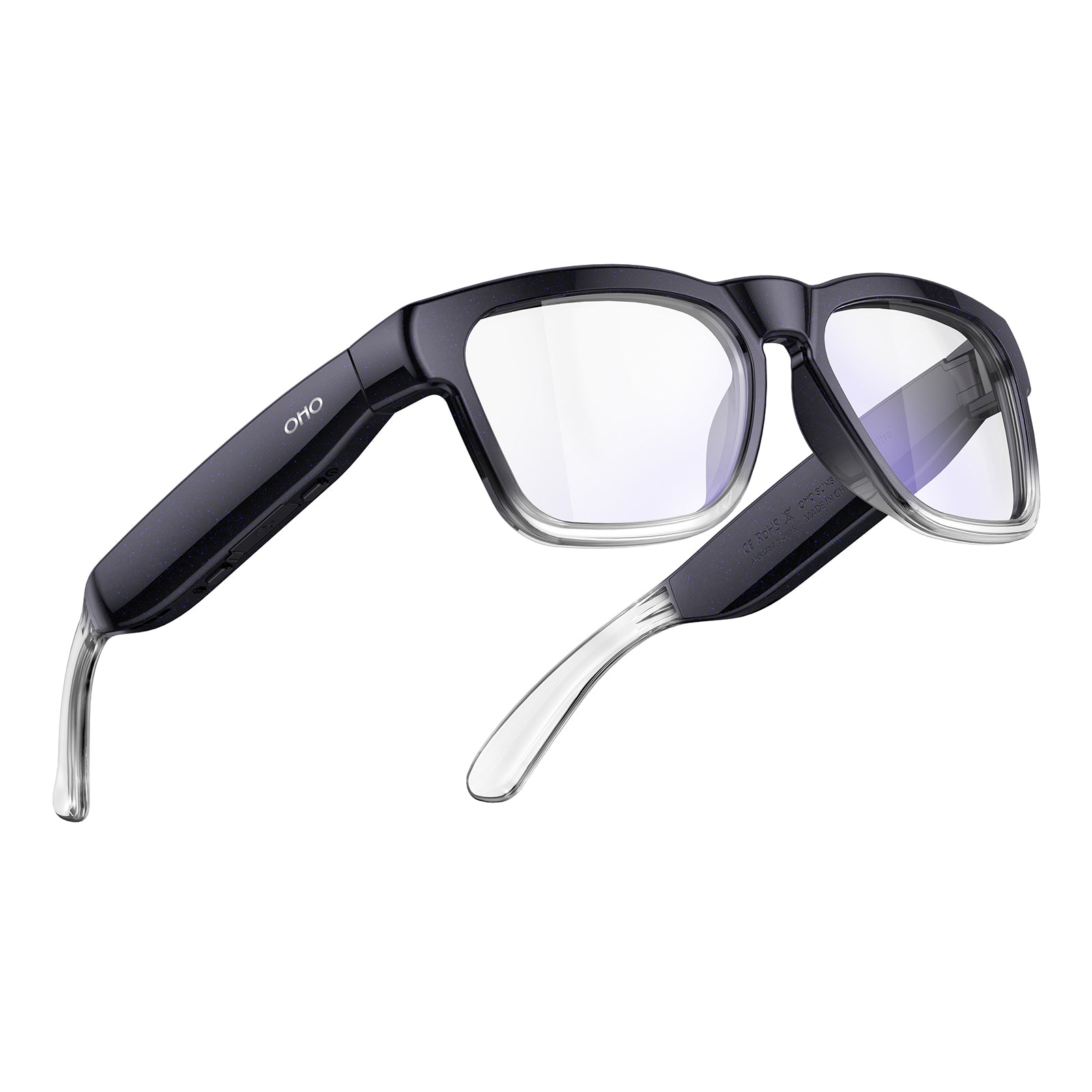
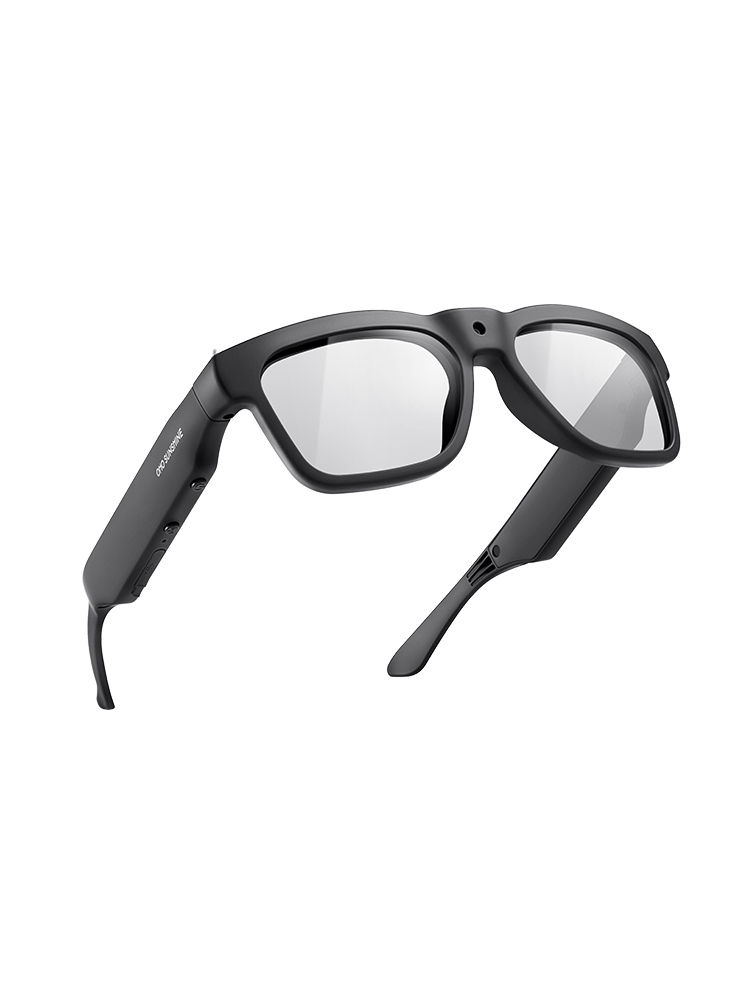
This works the same way whatever the frame is built around. If you're comparing smart snow goggles, the lens tint and its VLT still decide what you see on the hill. The camera and other electronics don't change it. Light levels drop even further after dark, which is why night skiing with camera goggles raises its own VLT questions that go beyond the flat-light range.
Does Fog Call for a Different Lens?
The tint advice above covers cloud, snowfall, and flat light, so it doesn't settle what works when you ride through fog. Don't assume the flat-light lens is automatically right for fog, and don't assume fog needs a completely different tint either. Treat fog as its own condition when you pick a lens.
Start by separating two problems that share a name. Weather fog is cloud or mist in the air around you. Fogging is condensation that forms on your goggle lens and blurs your view from the inside. A lens tint can't fix condensation. Airflow, fit, and how you handle your goggles through the day matter more, and our guide on how to prevent goggle fogging walks through that side of the problem.
For weather fog, look at the condition guidance the lens maker lists for that exact lens. If the maker names fog or low visibility for that lens, that's a direct fit. If the listing only says cloudy or flat light, you know what the lens was rated for, and fog is outside that rating.

What Changes in Overcast Storms?
A storm adds snowfall and shifting light to an overcast sky. The snowboard guide's 50 to 70% band does name snowfall, but it doesn't address how light changes as a storm builds, thickens, or clears. So treat a storm day as its own call, not a copy of a plain overcast day.
The most useful spec here is the maker's condition rating for the exact lens. Check it when you're buying a new pair or shopping for replacement goggle lenses. Look for the listed VLT and the conditions the lens is rated for, and match them to the storm you expect. A general color label, such as "low-light rose," isn't enough on its own. It doesn't tell you the transmission figure or which conditions the maker designed that lens for.
Storms can also end in bright sun on fresh snow. At that point you're no longer fighting flat light. You're dealing with glare, and the lens question changes. Our comparison of polarized vs. non-polarized goggles covers that brighter end of the day.
FAQs
Do snowboard goggles need different lens colors than ski goggles?
The flat-light tint advice cited in this article was written for snowboarders. The problem it addresses, which is diffuse light hiding shadows and color on snow, affects anyone reading terrain on the mountain. Whether a pair is sold as ski or snowboard goggles, compare lenses on the same two points: the stated tint and the listed VLT.
Will the right lens color guarantee I can see terrain in flat light?
No. Flat light removes the shadow and color cues your eyes use to read the slope, and a tint works with whatever light is left. The guide behind the rose, amber, copper, and light-yellow suggestion also says there's no universal perfect VLT figure. A well-matched lens helps you start in the right place, but it can't turn a flat day into a sharp one.
Do smart ski goggles or goggles with camera need a different lens?
The camera records the run. Your own view still depends on the lens in front of your eyes. Choose the lens for smart ski goggles or goggles with camera the same way you would for any pair: check the tint, the listed VLT, and the maker's condition rating. The electronics don't change which lens suits flat light, fog, or a storm.


留言
此網站已受到 hCaptcha 保護,且適用 hCaptcha 隱私政策以及服務條款。