














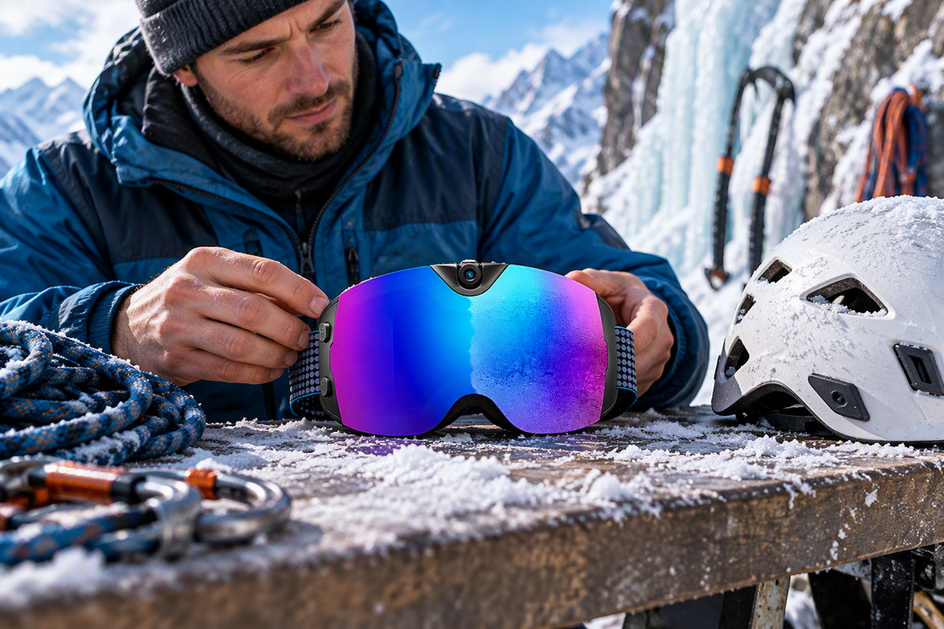
You can wear 4K camera snow goggles with a climbing helmet, but only when that exact pairing passes five checks: helmet retention, strap or clip security, facial seal, unobstructed vision, and free movement. There is no universal fit across ski helmets and climbing helmets, so a camera that records cleanly does not mean the goggles belong on your head during a vertical pitch. Test the helmet alone first, then test the full setup before you trust it on ice.
Can You Wear 4K Camera Snow Goggles With a Climbing Helmet?
The honest answer is conditional, not universal: some camera snow goggles can sit on some climbing helmets, but only if the exact combination keeps the helmet doing its job. A climbing helmet has to stay on your head if it's pulled or pushed, and it has to keep absorbing impact the way it's certified to do, so any goggle strap, clip, or camera housing that shifts the shell or loosens the fit fails the test immediately, no matter how good the footage looks.
This also means a ski helmet and snow goggle pairing that works well on a resort run tells you almost nothing about a narrow ice-climbing helmet. Climbing helmets are shaped differently, sit closer to the head in some spots, and are built for a different set of impacts. A camera goggle that clears a wide ski helmet by a comfortable margin can crowd a mountaineering helmet's brim or vents. Before you plan to record route beta hands-free, treat compatibility as a question about your specific helmet and your specific goggles, not about the product category.
How to Check a Camera Goggle and Climbing Helmet Fit
Work through the fit in order: confirm the helmet alone, then add the goggles, then test movement and the camera view. Skipping straight to a movement test before the helmet passes on its own just hides which part failed.
Start with the Helmet's Own Retention and Intended Use
Fit and adjust the climbing helmet by itself before you ever add goggles. A properly fit helmet should stay in place even with the chin strap unbuckled while you shake your head around; if it slides or lifts at that stage, no goggle choice will fix it. It matters just as much that the helmet is the one built for climbing rather than a ski helmet you're hoping will double up, since manufacturers design helmets for a specific activity and rate them accordingly.
Check the Strap, Housing, Pressure, and Facial Seal
Once the helmet passes on its own, add the goggles and look for contact points that weren't there before.

- Route the goggle strap only along a path the helmet or goggle instructions actually support; don't improvise a clip or hook that changes how the helmet sits or releases.
- Check whether the camera housing, frame edge, or hardware presses into the helmet shell, brow pad, nose, or cheeks.
- Confirm the facial seal stays even all the way around without you having to force the goggles tighter than normal to make it close.
- Reject the setup at this stage if any of those checks fail; a seal or pressure problem here won't improve once you start climbing.
Our camera goggle helmet fit checklist walks through this same strap-and-clearance sequence in more detail if you want a second pass before you commit.
Test Vision, Movement, and Camera Framing Before Climbing
With the helmet and goggles both seated correctly, run a short stationary-to-movement sequence before you ever leave the ground.
- Check your field of view while standing still, looking up, down, and side to side the way a route will actually ask you to.
- Repeat the same head movements while reaching overhead and simulating a climbing motion, since a static fit can still fail once you move.
- Preview a short clip or live view for tilt, sky-heavy or ground-heavy framing, and off-center shots, since a physically stable setup can still record a useless angle.
- Stop and reject the setup if movement changes the seal, shifts the helmet, loosens the strap, or ruins the route view. A camera that records successfully during a stationary test hasn't proven anything about how it holds up mid-climb.
Camera Goggles vs a Chest Rig for Route-Beta Recording
Choose integrated camera goggles when you want an eye-line view and your helmet fit already passes; choose a chest rig when the goggle interface doesn't work or you'd rather keep the camera lower on your body. Neither setup is inherently better for image quality or stability; the right pick depends on viewpoint and what's already on your harness.
| Setup | Viewpoint and equipment interaction | Choose it when |
|---|---|---|
| Camera goggles | Eye-line view, no extra chest strap, depends entirely on helmet fit | The goggle-and-helmet fit check passes and you want the camera to see what you see |
| Chest-mounted rig | Lower torso view, sits on the harness or a separate strap system | The goggle interface fails the fit check, or you prefer a lower angle and your harness and layers have room for it |
If your exact helmet and goggles pass every check above, goggles give you a view that follows your eyes without adding a strap across your chest. If the interface doesn't pass, a chest rig gets the camera rolling without touching your climbing helmet at all, as long as it doesn't crowd your harness or gear loops.
Where the Skyshot Fits—and Where It Does Not
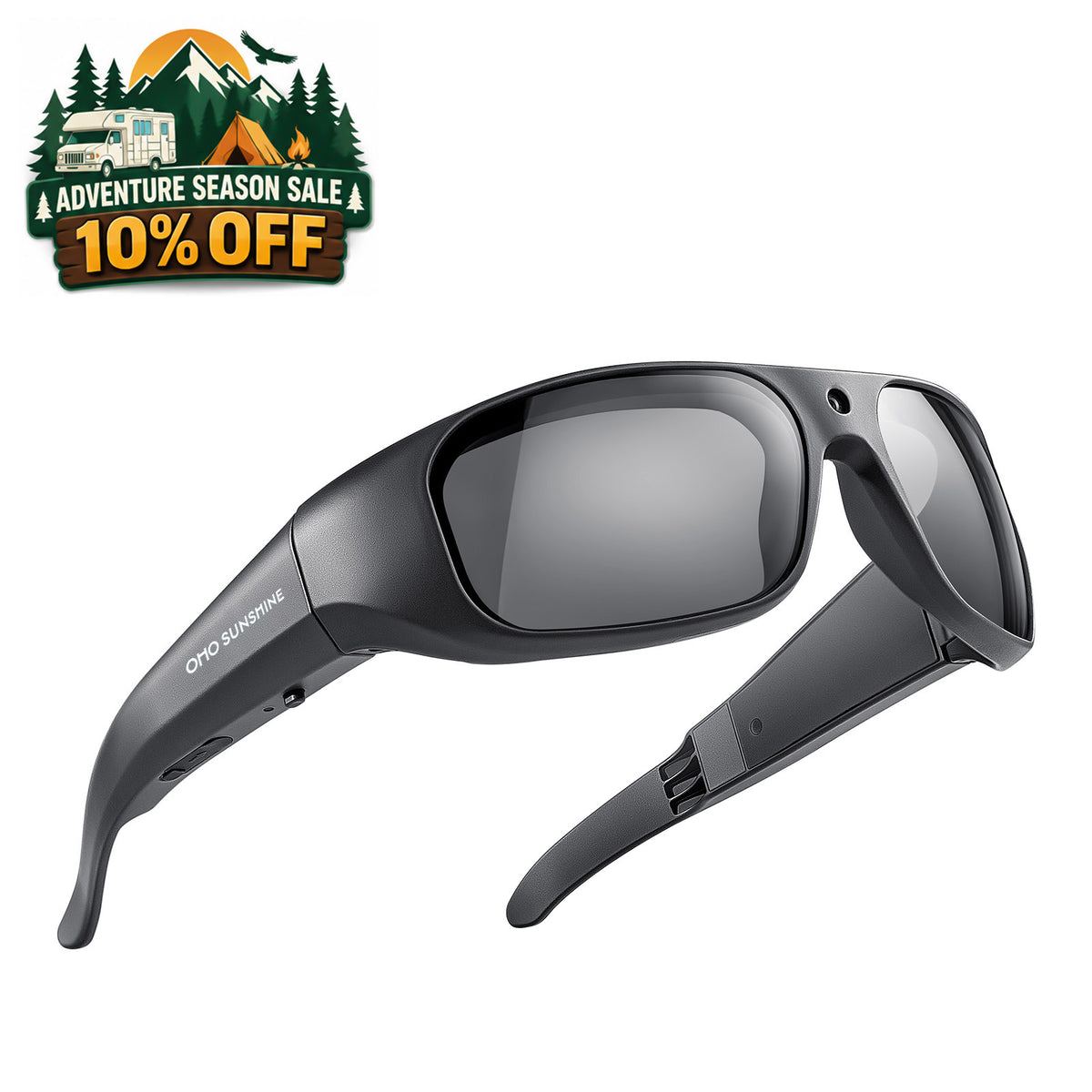
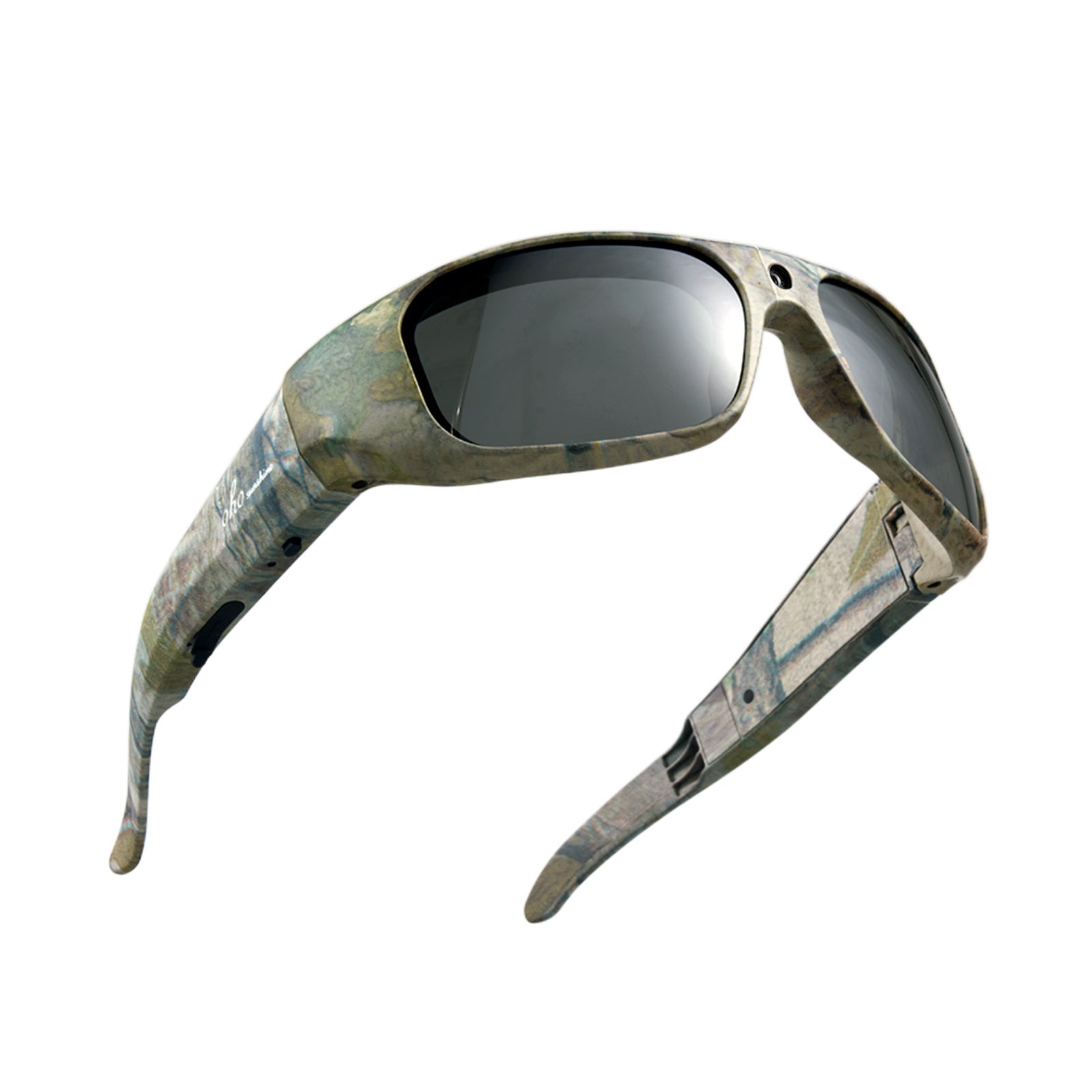
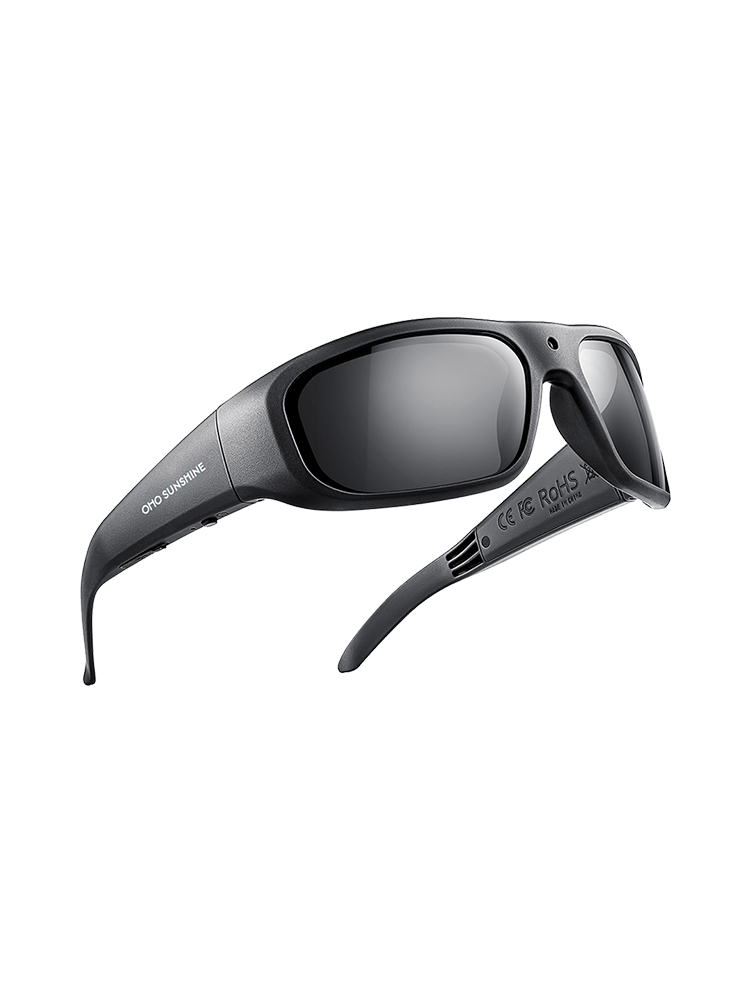
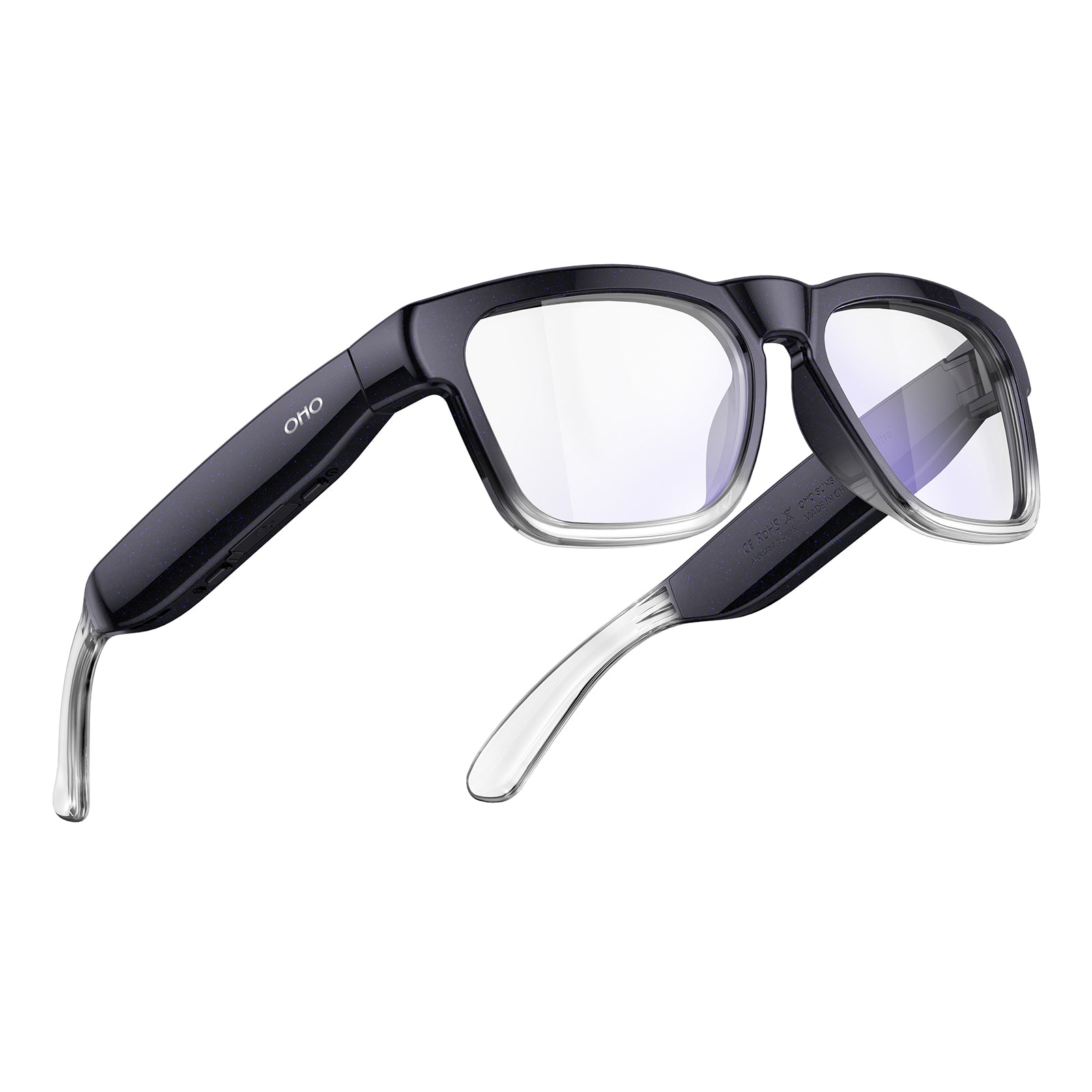
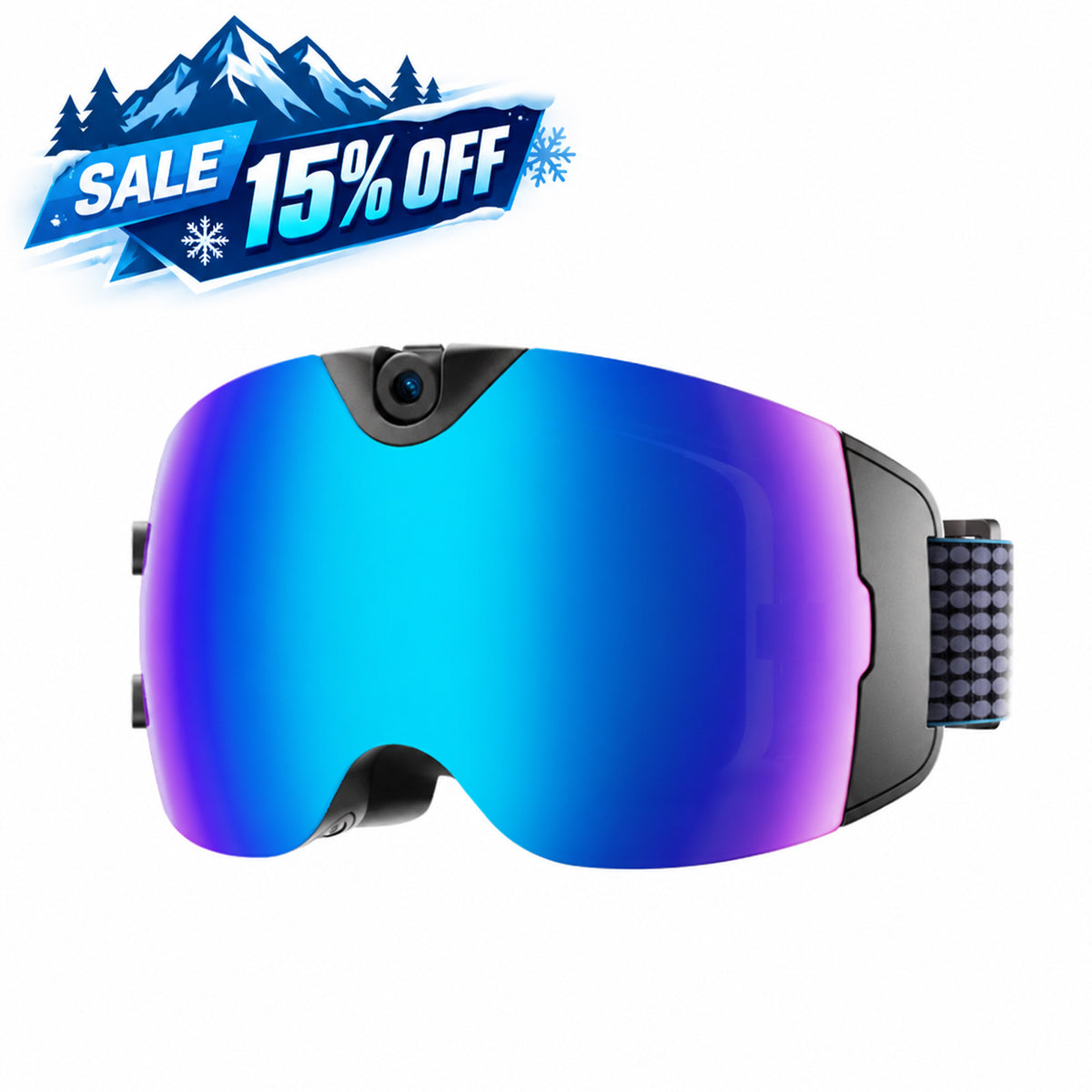
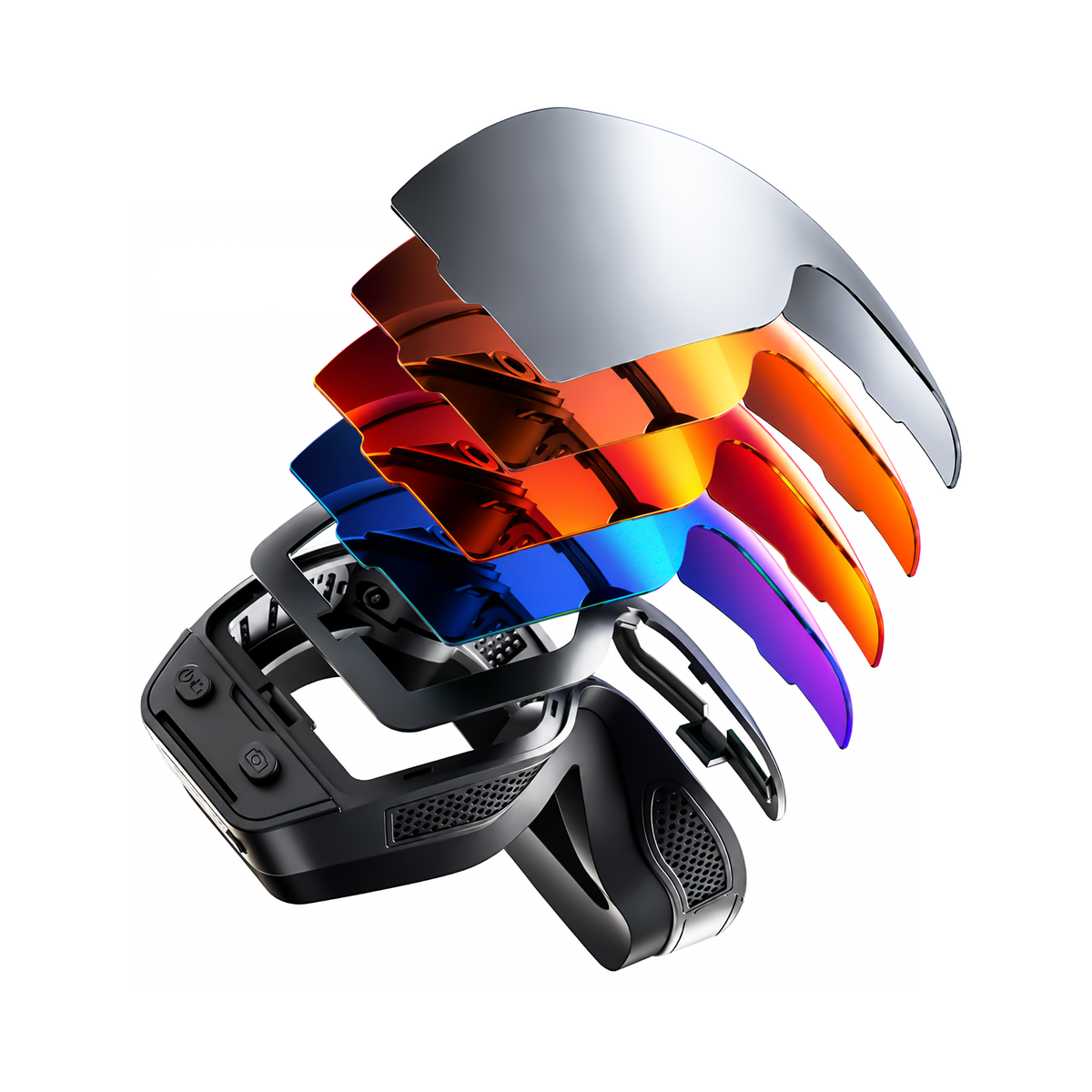
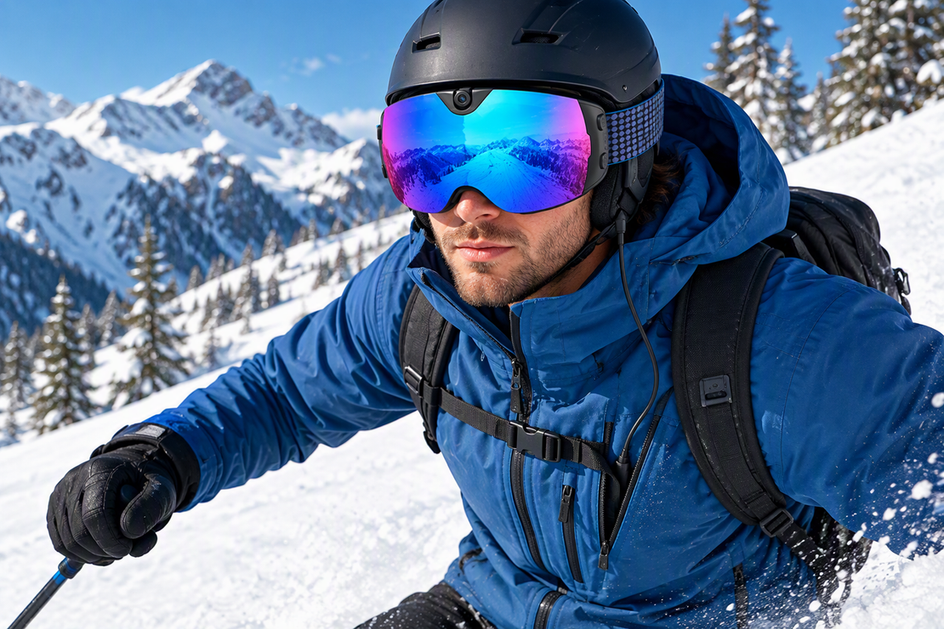
Our Skyshot 4K camera goggles list 4K video recording, a 24-megapixel photo mode, a 140-degree wide-angle camera, an anti-fog lens, WiFi transfer, and USB-C charging, all built for skiing, snowboarding, and general snow travel. Those features can suit a buyer who wants the camera built into the eyewear instead of mounted separately, which is exactly the appeal for hands-free route-beta recording once the physical fit is settled.

That listing does not establish climbing-helmet compatibility on its own. Nothing in the product record verifies a climbing-specific attachment method, confirms fit against a narrow mountaineering helmet, or certifies the goggles for ice-climbing use. If you're weighing the Skyshot for a climbing setup, run it through the same helmet-first, strap, seal, and movement checks above before you rely on it on route, and check the goggle and helmet manufacturer instructions directly if either flags the combination.
The pass/fail sequence above is the deciding factor, not the camera specs. If your exact helmet and goggles clear retention, strap security, seal, vision, and movement, you can record route beta hands-free; if any check fails, switch goggles, adjust the helmet, or fall back to a chest rig instead of forcing the pairing on ice.
FAQs
Can a helmet fit securely while the goggles are still incompatible?
Yes. A helmet can stay correctly seated on its own while the goggles still break the facial seal, create pressure points, block part of your field of view, or shift during movement. If any of those problems show up once the goggles are added, reject or change that specific pairing rather than loosening the helmet to compensate.
Can I clip a goggle strap directly to a climbing helmet?
Only if the relevant helmet or goggle manufacturer instructions specifically allow that attachment method. Treat an improvised clip or hook as unapproved unless it's documented, since changing how the strap routes can change how the helmet releases or stays seated. Use the strap path the instructions describe, or pick a different helmet-and-goggle combination.
Does Skyshot's 4K specification prove it is suitable for ice climbing?
No. Video resolution, photo count, and field of view describe what the camera records, not whether the goggles fit or attach safely to a climbing helmet. Those specifications still need to go through the same exact-pair fit and movement check described above, and confirming climbing-helmet compatibility would require direct documentation from the helmet or goggle maker.
What should I do if the camera framing changes when I move?
Stop the test and either reposition the goggles or reject that setup for climbing. A camera that tilts, drops the horizon, or loses the intended route view once you move isn't giving you usable footage, even if the goggles themselves stay physically attached and comfortable.



留言
此網站已受到 hCaptcha 保護,且適用 hCaptcha 隱私政策以及服務條款。