















Ski and snowboard goggles fog when warm, moist air trapped near your face meets a colder lens, and that risk shifts as temperature, exertion, and airflow change through the day. You can lower the risk with a dry start, steady airflow, and good habits, but no goggle removes every fogging condition. This guide walks through why fogging happens, how to prevent and clear it on the mountain, how to tell temporary condensation from a real equipment problem, and what to check before you buy.
Key Takeaways
- Fogging comes from warm, moist air meeting a colder lens; changing temperature and airflow drive the risk more than any single weather label.
- Start each day with dry, unobstructed goggles and avoid trapping heat against your face during warm-to-cold transitions.
- If fog blocks your view mid-run, stop in a safe spot, dab (don't rub) the inner lens, and dry it before continuing.
- Haze that remains after a full dry may point to a lens, vent, or fit problem rather than routine condensation.
- Look for a documented dual-layer lens, anti-fog treatment, clear vents, and a snug fit; treat camera features as a separate want, not proof of fog resistance.
Why Ski Goggles Fog in Changing Conditions
Fog forms when warm, moist air from your breath and skin condenses on a colder lens surface, and how often that happens depends on the gap between those two temperatures. The mountain conditions that widen or narrow that gap, not one weather label, decide how much risk you're facing on a given run.
What Changes Inside the Goggle
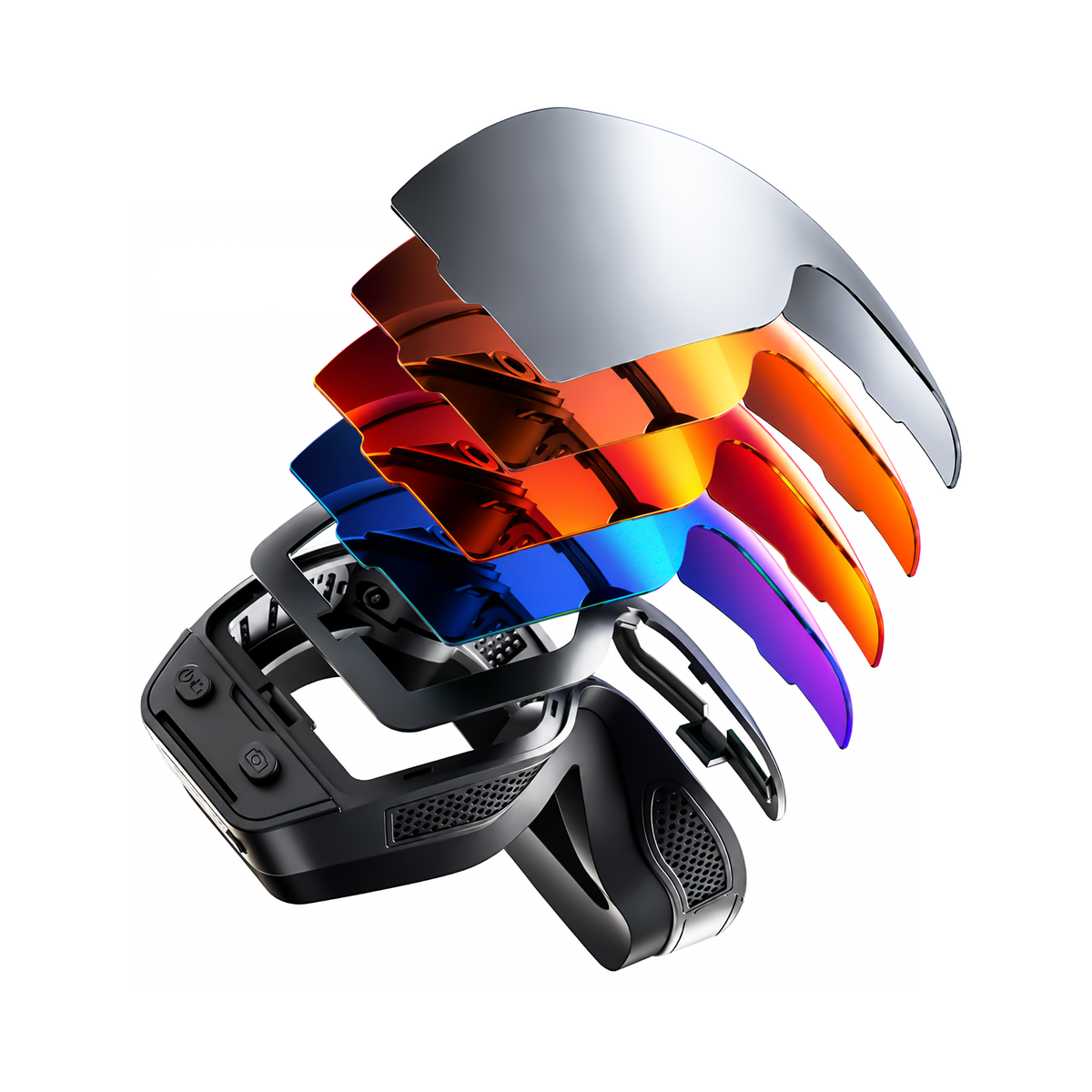
Every goggle traps some warm air near your face, and that air holds moisture from breathing and sweating. When the lens surface is colder than that trapped air, the moisture condenses into the tiny droplets you see as fog. A dual-layer lens design creates an insulating air pocket between an inner and outer pane, and that gap is built to reduce that temperature difference between the air inside and the cold air outside. It narrows one variable in the fogging equation, but it does not remove the moisture itself or guarantee a clear lens in every situation.
When Fogging Risk Climbs
Some situations widen the temperature and moisture gap more than others, and recognizing them ahead of time helps you react before your vision is affected.
- Warm transitions from a car or lodge: Moving from a heated space into cold air brings warm, moist air into the goggle right as the lens starts to cool, which is often when fog appears first.
- Hard exertion and heavy layering: Sweat and heavier breathing add more moisture to the air trapped near your face, especially under bulky layers that hold in heat.
- Low speed, stops, or blocked vents: Airflow through the goggle drops when you slow down, stop, or cover the vents with a hat or hood, so moisture has less chance to escape.
- Snowfall, wet snow, and moisture entering the frame: Wet weather can add water to the lens or foam directly, on top of whatever condensation is already forming inside.
Prevent Fog Before and During a Mountain Day
The best defense is starting dry and protecting airflow at each stage of the day, rather than reacting only after fog shows up. Work through these steps in order, from before you leave to the end of your last run.

- Start with a completely dry goggle. Check the inner lens and foam before you head out; any leftover moisture from the previous day gives fog a head start.
- Avoid sealing a warm goggle against your forehead. Pushing goggles up onto your forehead during a lift ride or break traps heat and moisture right where the lens will need to cool again.
- Keep vents clear during transitions. Move from a warm space to cold air with the goggle already on your face or fully off, not half-covered by a hat or hood that blocks the vents.
- Manage exertion and layering. On a hard climb or aggressive run, loosen a layer or take a short break if you notice heat building up rather than pushing through it with vents blocked.
- Handle wet weather carefully. Wipe exterior snow or water away before it can run into the frame, and avoid letting gloves or a wet hood press against the lens.
- Dry the goggle completely after use. Cool airflow and thorough drying between outings lower the chance that you start your next day with retained moisture already inside the lens. How your goggle fits your face and helmet also affects airflow throughout the day, which is one reason full-resort-day comfort checks matter alongside anti-fog care.
What to Do When Goggles Start Fogging
If fog materially blocks your view mid-run, stop in a safe location before doing anything else; do not keep riding through fogging you cannot see past. Once you're stopped, work through the clearing steps below in order.
- Stop safely first. Pull off to the side of the trail or a flat spot away from traffic before touching your goggles.
- Check whether the moisture is outside or inside. Loose snow or water on the outer lens is a different problem than condensation building on the inner lens.
- Clear exterior moisture gently. Brush off snow or water with a soft glove or cloth without pressing hard on the lens.
- Dab, don't rub, the inner lens. Dab moisture instead of rubbing a wet inner surface, since rubbing can smear moisture around and wear down the anti-fog coating over time.
- Give it airflow and time before deciding. If the lens is still hazy after clearing, hold the goggle open to airflow for a minute or two before deciding whether visibility is clear enough to continue.
Diagnose Persistent Haze, Damage, or Fit Problems
Temporary condensation should clear up once you've restored airflow, dabbed away moisture, and let the goggle dry fully; if it does, the issue was ordinary fogging and you're fine to continue. Haze that stays after a complete dry, or fog that keeps coming back on an otherwise dry, well-fitted goggle, points to something else worth checking rather than more wiping.
- Clears after airflow and drying: This is routine condensation. No further action is needed beyond your normal prevention routine.
- Returns because vents or fit are blocked: Recheck your hood, hat, or helmet position; airflow restrictions can cause repeat fogging even on a capable goggle.
- Remains hazy after a full dry: This can point to a coating, seal, or internal moisture issue that basic cleaning won't fix.
- Shows visible lens, frame, or foam damage: Scratches, a cracked seal, or worn-out foam can let moisture in or damage the anti-fog layer directly.
When haze persists despite dry storage, clear vents, and gentle care, it's worth checking your model's specific care instructions or contacting the manufacturer's support team, since guessing at repairs on a damaged lens rarely helps and may make things worse. At that point, replacement becomes a reasonable option rather than a last resort.
Choose Anti-Fog Ski Goggles for Your Conditions
The strongest anti-fog choice combines a documented lens and vent design with a fit that actually works for your face and helmet, not a single standout feature. Camera or smart features are a separate priority to weigh once those fit checks are settled.

- Lens construction and anti-fog treatment: Look for a documented dual-layer or thermal lens design paired with an anti-fog coating; together, lens, treatment, vents, and helmet fit are the core checklist for any anti-fog goggle, and no single item on that list guarantees clear vision by itself.
- Vent clearance and helmet interface: Confirm the vents stay open with your helmet on and that the helmet doesn't press the frame against your face, since either problem can trap heat regardless of lens quality.
- Face fit: A snug, even seal around your face keeps cold air from leaking in and matters as much as the lens itself for everyday comfort and airflow.
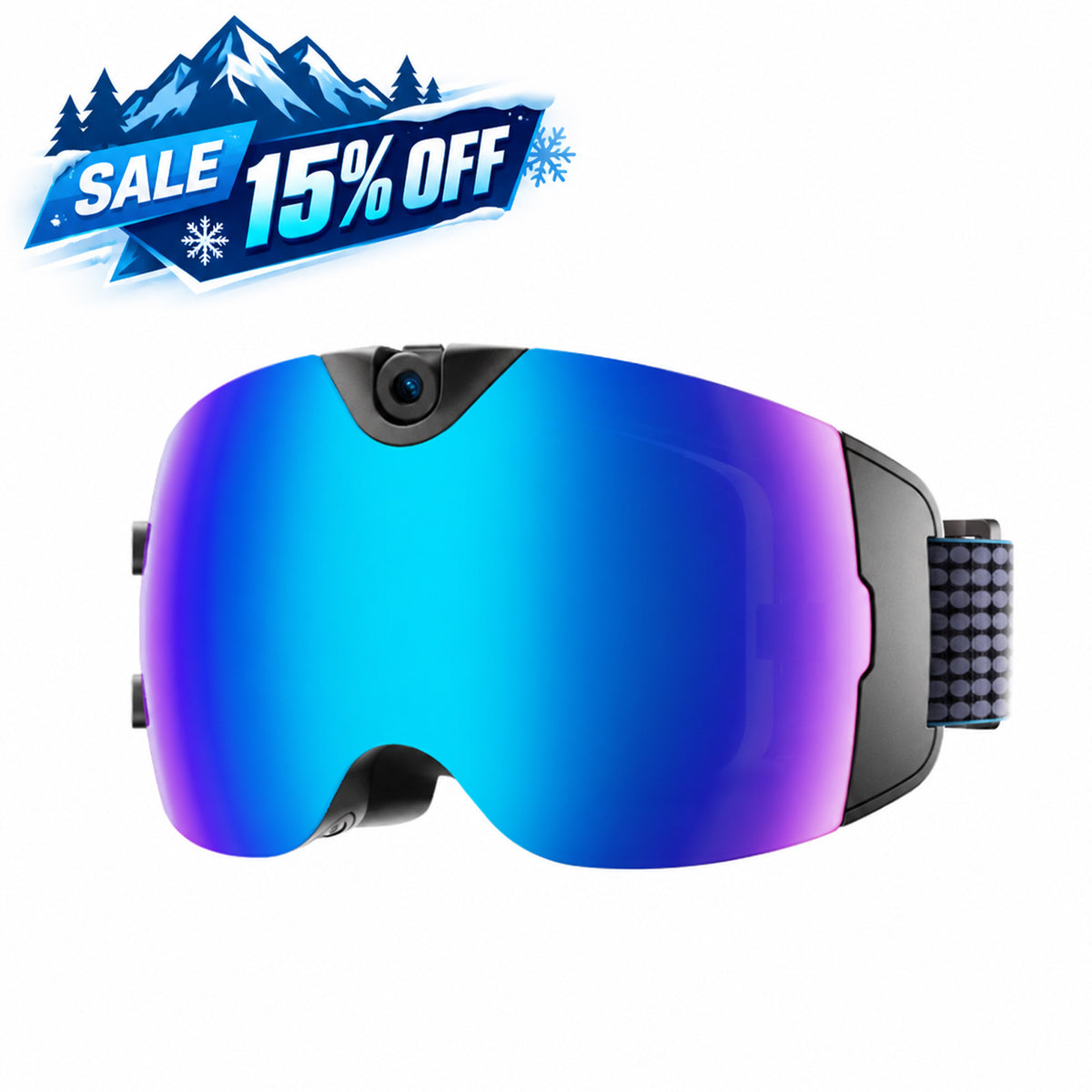
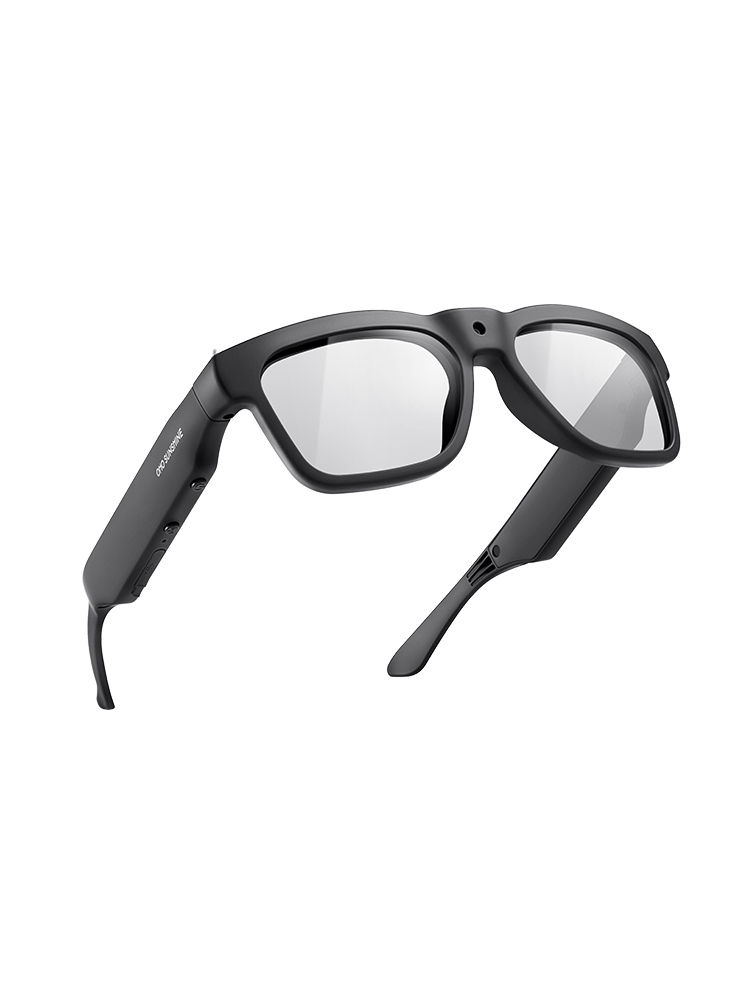
- Camera or smart features as an independent priority: If you specifically want video capture built into your goggles, our Skyshot is a smart ski goggle option with a listed anti-fog lens, a 140-degree camera, 4K video at 30 fps, 24-megapixel photos, Wi-Fi transfer, USB-C charging, and roughly 90 minutes of listed battery life, available in our 4K snow goggle cameras collection. Snow goggles with a camera add hands-free video, but that feature by itself doesn't prove better fogging performance in every condition. If you want camera capture alongside a listed anti-fog lens, it's worth evaluating our Skyshot camera ski goggles against the lens, vent, and fit criteria above rather than choosing on the camera specs alone.
FAQs
Can I wear ski goggles over my glasses?
Standard goggles usually don't leave enough room for glasses without pressure points that break the seal and let in cold air. An OTG design built for glasses wearers adds extra interior space for frames, but you still need to check that the exact pair fits your face and helmet comfortably before buying.
Do camera or smart ski goggles fog less than regular goggles?
Not necessarily. A camera, Wi-Fi, or recording resolution are separate features from anti-fog performance, and having them doesn't tell you anything about the lens construction, ventilation, or fit that actually control fogging. Judge any camera-equipped or smart ski goggle by the same lens, vent, and fit checklist you'd use for any other pair.
When should I replace my goggles instead of cleaning them?
If haze remains after a complete dry, gentle handling, and confirming your vents and fit are clear, cleaning likely isn't the fix. At that point, check your model's care instructions, reach out to the manufacturer for support, or consider replacing the goggles, especially if you notice scratches, a damaged seal, or worn foam.
Reducing ski goggle fog comes down to one repeatable rule: keep the lens dry, protect airflow, and give moisture somewhere to go before it condenses. Use the prevention steps at the start of your day, the stop-and-clear response if fog blocks your view, and the diagnostic checks if haze won't go away. When you're shopping, match the lens, vent, and fit criteria to your conditions first, and treat any camera or smart feature as a bonus rather than a fogging fix.


留言
此網站已受到 hCaptcha 保護,且適用 hCaptcha 隱私政策以及服務條款。