






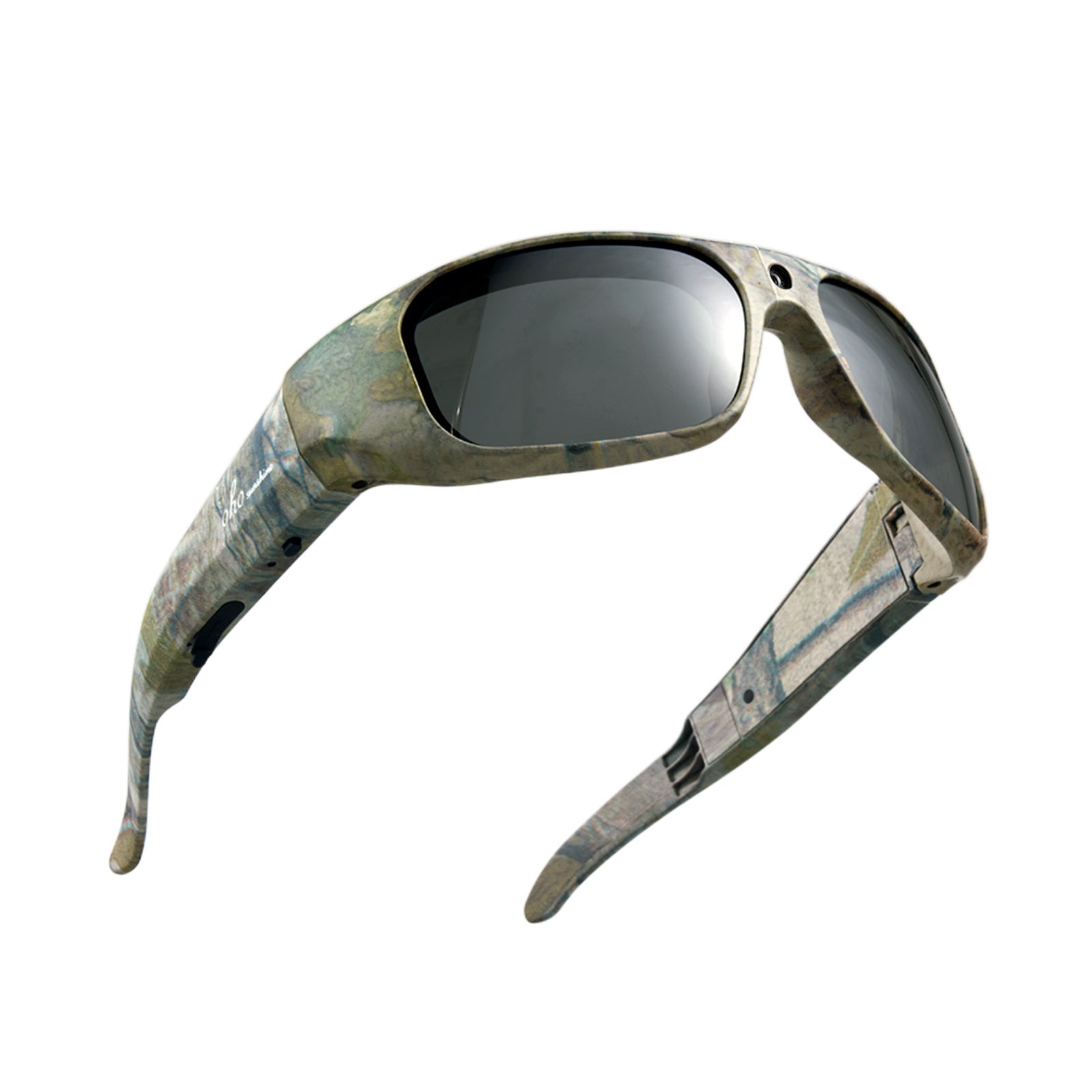


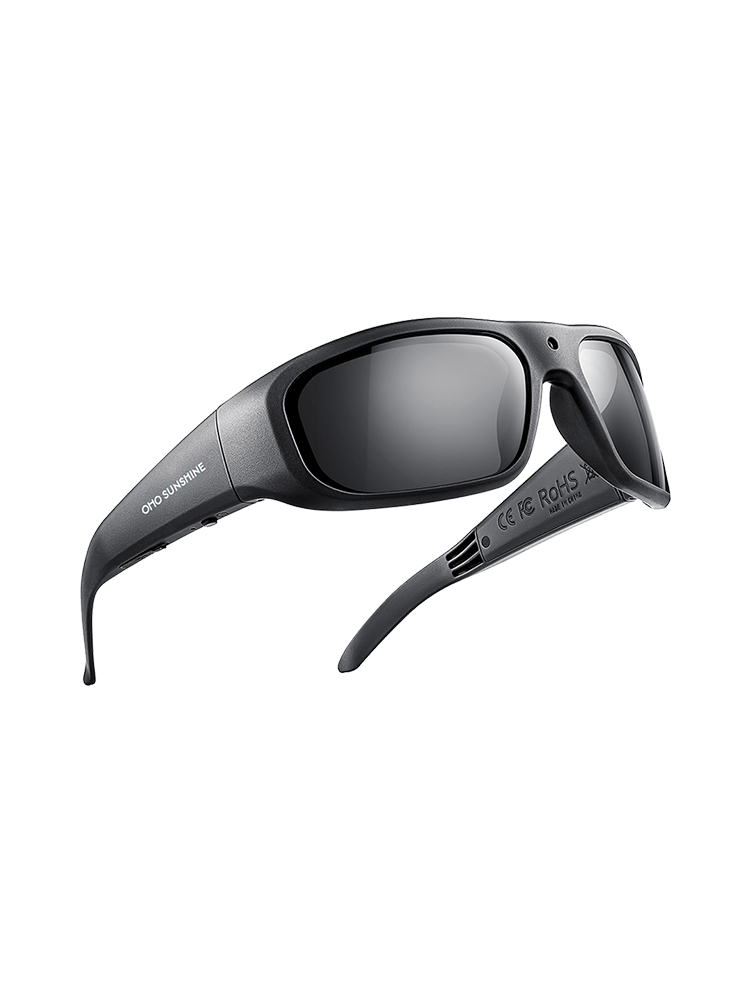


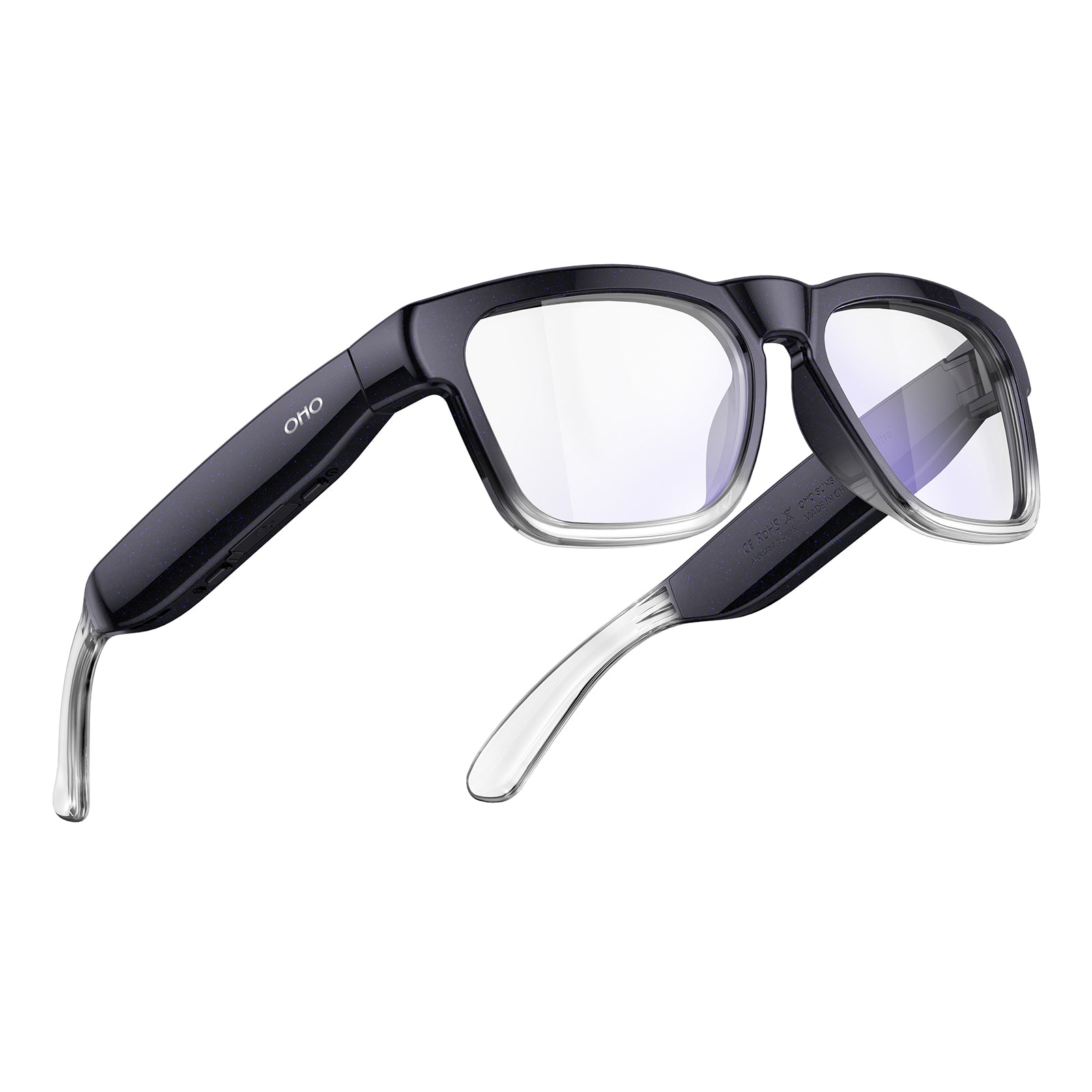



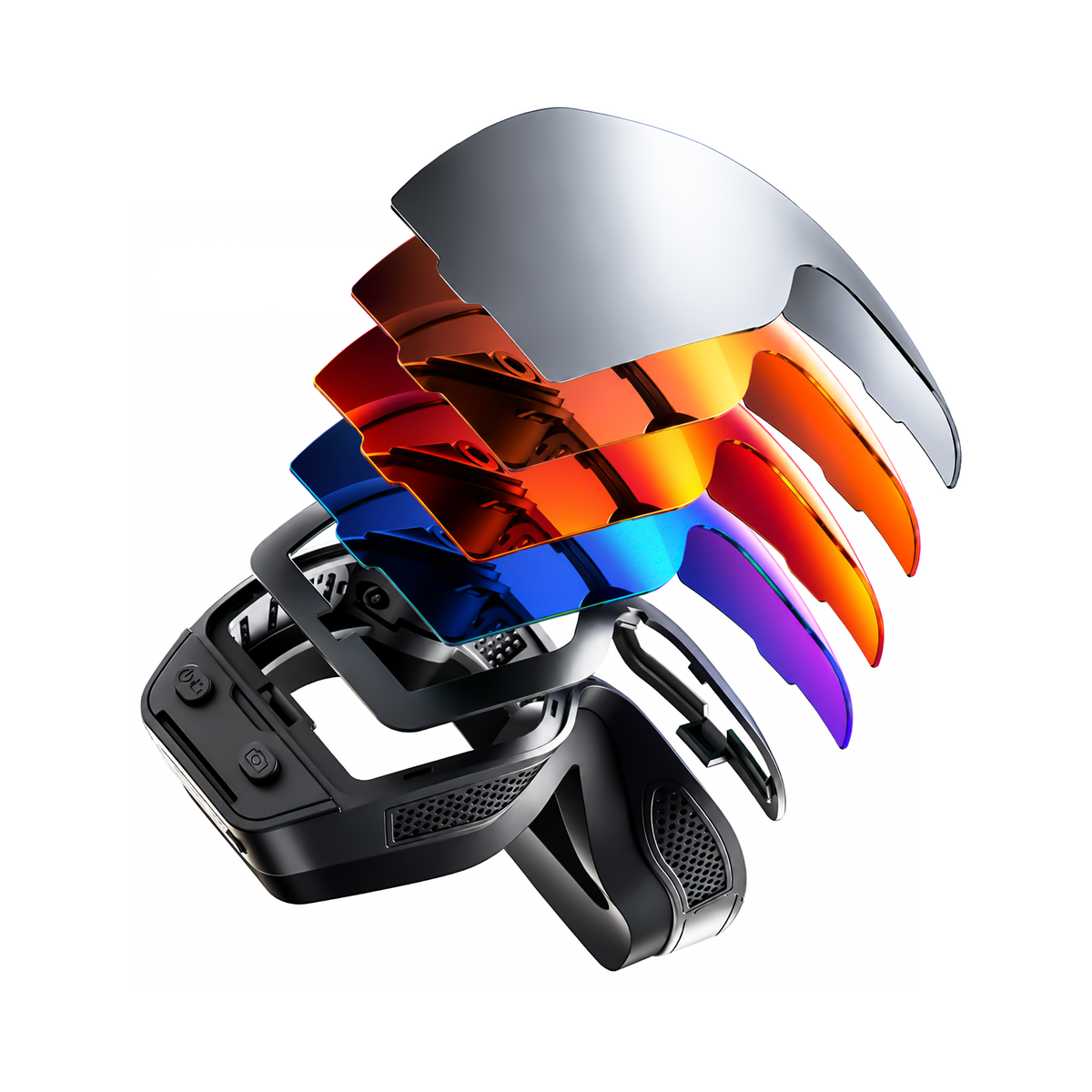

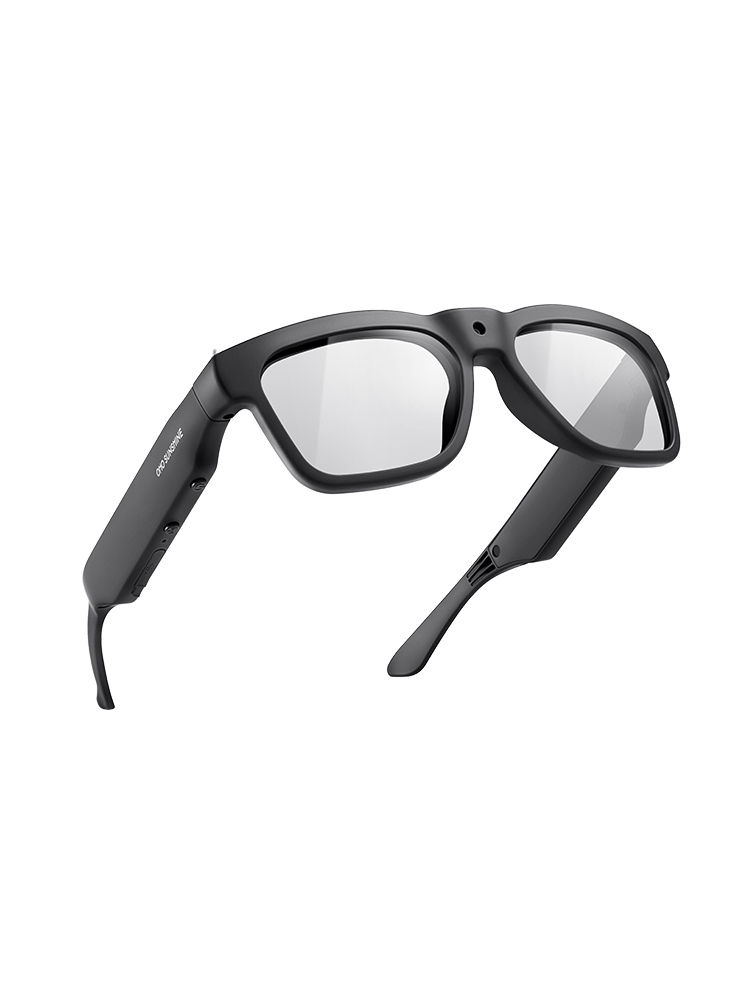


On smart glasses with camera listings, 24MP describes still photos, and 4K describes video. 24MP means a photo of about 24 million pixels, while 4K refers to the pixel size of each video frame, commonly 3840 × 2160. Because they measure different outputs, compare each one on its own terms, then check frame rate, file details, and real sample files before you decide.
What 24MP and 4K Describe
Both numbers are resolution claims, but they describe two different outputs. The megapixel figure belongs to the photo mode, and the 4K label belongs to the video mode.
What 24MP Means for Photos
A 24MP rating is a pixel count for still images. As one megapixel equals one million pixels, 24MP works out to roughly 24 million pixels in the stated photo output. Photography Life also separates total sensor pixels from effective megapixels, which are the pixels that end up in your full-size image when you open or export it at maximum size.
On a listing, look for the figure next to a label such as "photo," "still," or "image resolution." The label alone does not tell you the exact width and height of the exported file or how large each file will be. Those details come from the product's documentation or an original photo file.

What 4K Means for Video
4K describes how many pixels make up each frame of video. Adobe explains that video resolution is the number of pixels contained in each frame, and that UHD 4K is technically 3840 × 2160 pixels. That common UHD frame holds about 8.3 million pixels.
Frame rate is a separate spec. It tells you how many frames are recorded each second, written as fps (frames per second). A listing can say 4K without saying the frame rate, so treat these as two fields. When a listing only says "4K," the exact recorded dimensions for that model still need to come from its documentation or a sample file, since 3840 × 2160 is the common UHD size rather than a promise for every product using the label.
Why 24MP and 4K Aren't Interchangeable
The two figures answer different questions, so neither one "beats" the other. A common UHD 4K frame has about 8.3 million pixels, which is roughly a third of a 24MP photo, yet that gap only reflects a still image versus a single frame of moving video. It does not mean the photos look three times better than the video, or that either mode is good.
Pixel count also has limits within each mode. A higher megapixel number tells you how many pixels a photo has, not how sharp, clean, or well exposed it will look. On the video side, 4K covers frame size only. Frame rate, file format, and bitrate are distinct from resolution, according to Adobe, so a 4K label leaves most of the recording's character unstated.
The practical split is simple. If you mostly want photos, compare the documented photo output and original photo samples. If you mostly want video, compare documented video settings and sample footage instead of treating the resolution label as a verdict.
What to Check When Comparing Camera Glasses
Follow the path that matches what you plan to capture, and treat any missing detail as unknown. A listing that says "24MP" or "4K" without more context has not told you the rest, so do not fill the gaps with assumptions.
Check the Still-Photo Output
Photo buyers need two things: a clearly labeled photo spec and a real file to look at. These checks keep the megapixel number tied to the output it actually describes.
- Documented photo output: Confirm the listing or manual assigns the 24MP figure to photo or still mode, not to the sensor in general or to video.
- Original photo sample: Where one is available, open a full-size original file rather than a compressed preview, and judge detail and exposure yourself.
Check Video Settings and Samples
Video comparisons need more fields than photos, because resolution is only one of them. Work through them in this order so each check builds on the last.
- Confirm the recorded video dimensions, such as 3840 × 2160, in the documentation or a sample file.
- Confirm the frame rate at that resolution as its own number in fps.
- Check the file format and bitrate if the listing gives them. Bitrate is the amount of data recorded each second, and higher bitrates carry more information and need more storage.
- Watch available sample footage from the same model and mode.

When you compare several smart glasses with camera models side by side, such as those in our 4K camera glasses collection, line up these fields for each one. Motion, low light, heat, and file size are harder to judge from a listing, so our walkthrough on testing 4K camera glasses covers how to run those checks on real footage. The same photo and video checks apply to ski goggles with camera built in, including the models in our snow goggle camera collection.
The Bottom Line on 24MP and 4K
24MP tells you the pixel count of a still photo, and 4K tells you the frame size of video. That is useful, but it is only a starting point for any pair of smart glasses with camera features. Match the number to the output you care about, then confirm the documented settings and look at actual files before you compare models.
FAQs
What should I assume if a listing leaves out frame rate or bitrate?
Treat the missing value as unknown, not as a strong or weak result. Ask the seller or check the manual, and if neither answers it, a sample video file's properties can show the recorded dimensions and frame rate directly.
Should I prioritize the photo spec or the video spec?
Prioritize the one that matches how you will use the glasses. If you mostly shoot hands-free clips, the video settings and footage matter more than the megapixel count, and if you mostly take snapshots, the photo output deserves the closer look.
Is 4K always better than 2K on camera glasses?
Not automatically. 4K has larger frames, but frame size is only one part of the result, and larger files take more storage. Our comparison of 4K and 2K camera glasses walks through when the extra resolution is worth it.
Does the same advice apply to smart glasses with camera and audio?
Yes, for the camera side. The 24MP and 4K figures still describe photos and video frames. Audio is a separate feature with its own specs, so resolution labels tell you nothing about how recordings or calls will sound.
What else matters besides image specs when buying?
Stabilization, battery life, storage, file transfer, fit, lenses, warranty, and returns can all change whether a pair suits you. Our checklist of what to check before buying covers those factors beyond resolution.


留言
此網站已受到 hCaptcha 保護,且適用 hCaptcha 隱私政策以及服務條款。