
















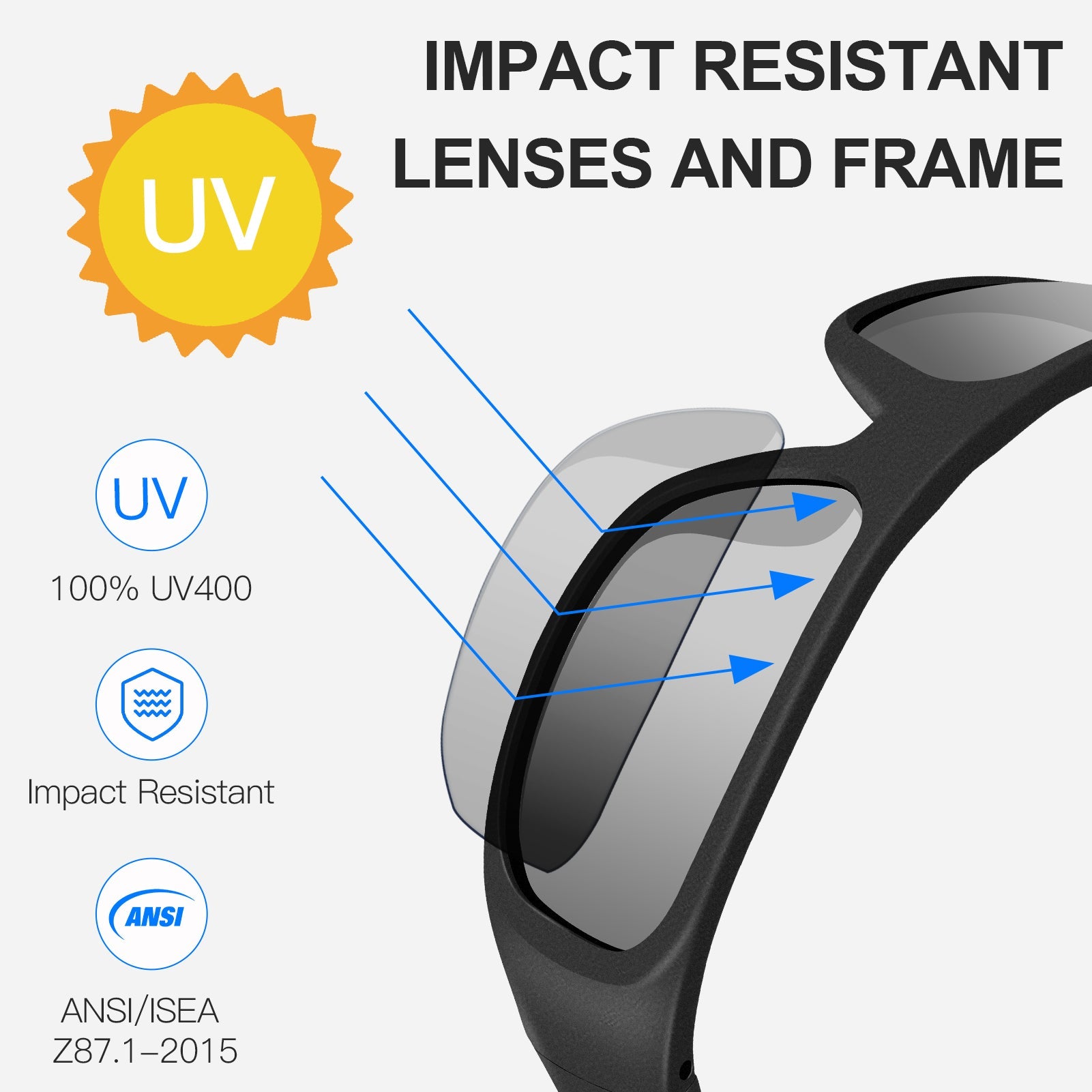
Photochromic Smart Glasses: How Fast Do They Actually Adapt?
Photochromic smart glasses can work well for mixed indoor-outdoor routines, but they are not instant. This guide explains how fast they darken and clear, how UV protection fits into the buying deci...
Smart Glasses at Work: Policy and Compliance Considerations
Smart glasses at work are not a yes-or-no device question. Permission depends on role, location, capture features, notice rules, and whether the setting involves security, field work, or healthcare...
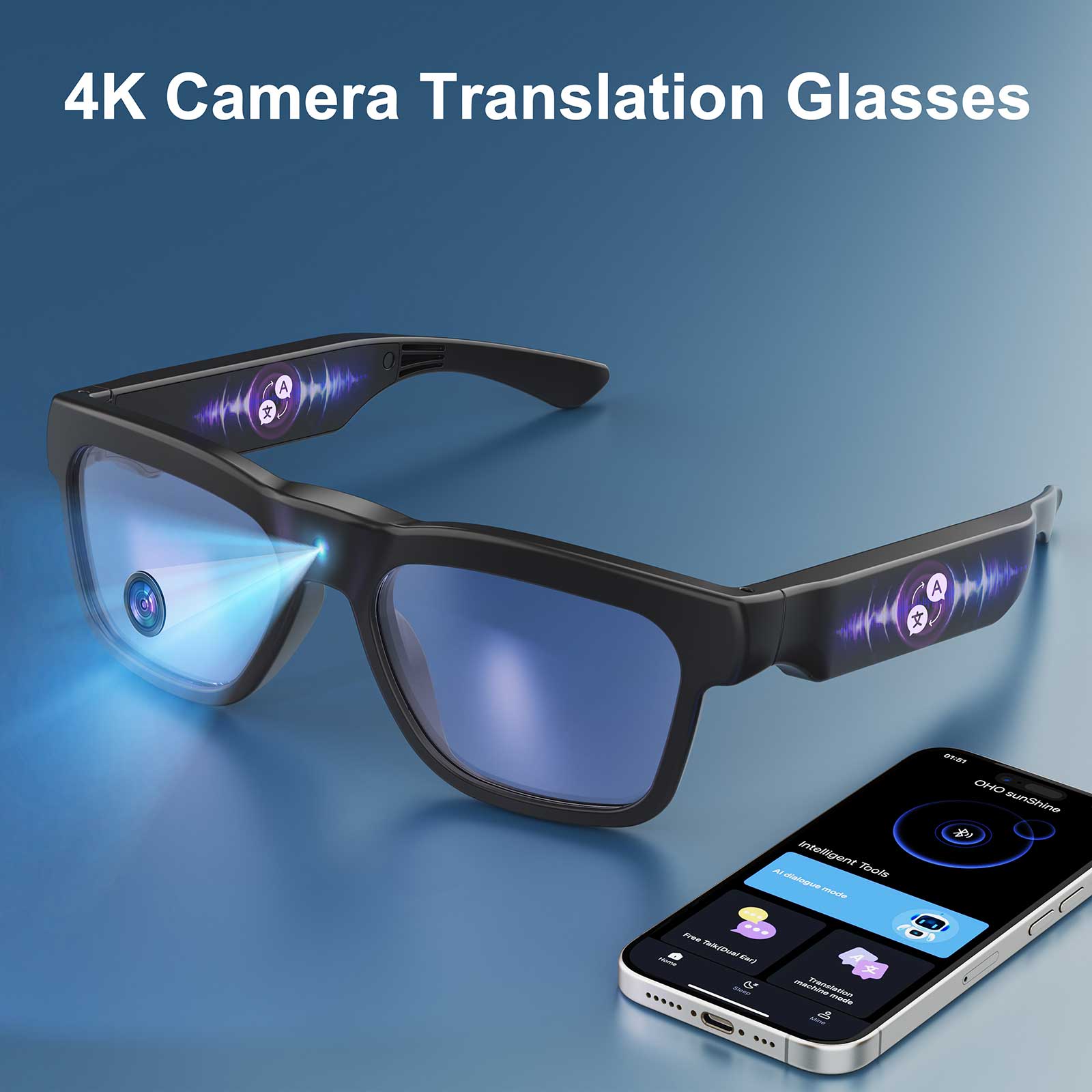
How Accurate Are Translation Glasses for Travel and Business?
Translation glasses can help with travel and business, but accuracy depends on the task. This guide shows what changes performance, where the glasses fit best, how Japanese and Chinese deserve extr...
Smart Glasses for Families: Safety and Privacy Considerations
Smart glasses can be useful for families, but the right choice depends on age, supervision, privacy controls, comfort, and school rules. For younger children, the safer default is supervised use wi...

Running with Smart Glasses: Audio, Stability, and Safety
Smart glasses for running work best when you match the frame, audio, and durability to your route. This guide helps runners judge open-ear audio, stability, sweat exposure, and when camera features...
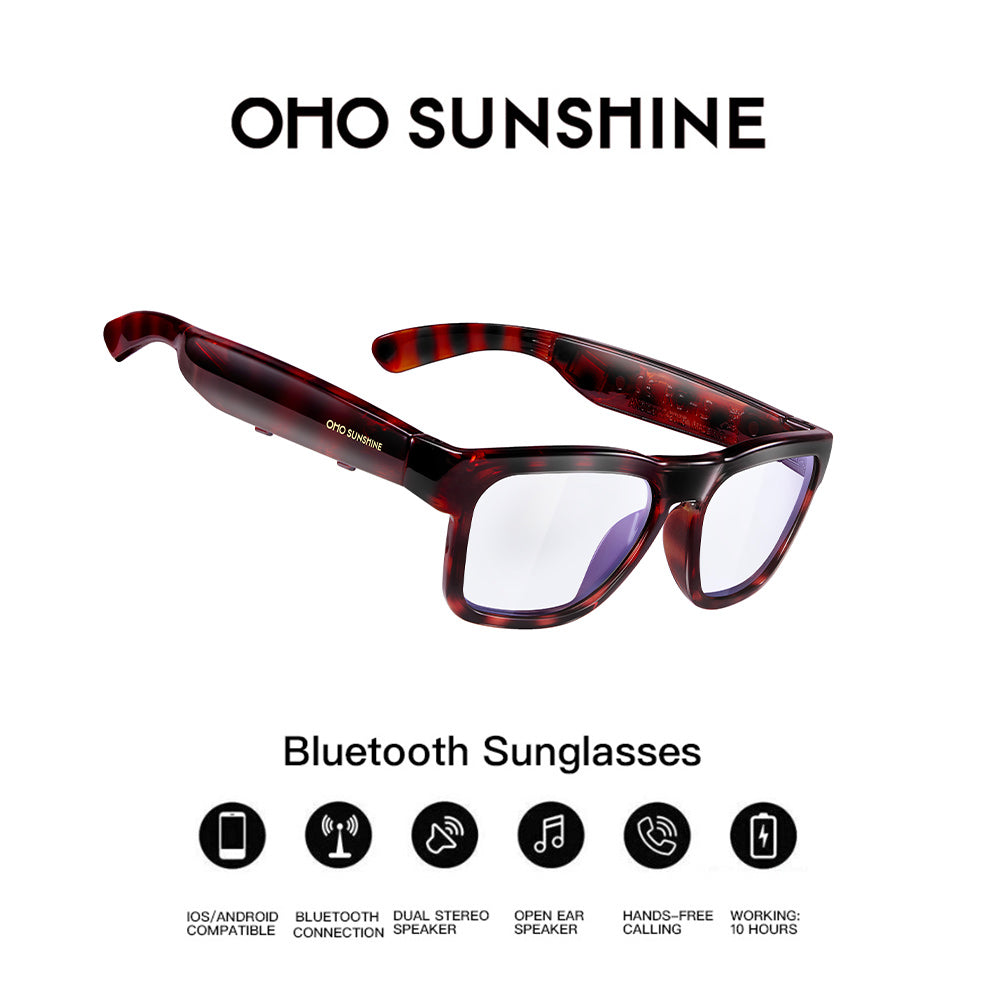
Blue Light Glasses: What Evidence Shows and Who Benefits
Blue light glasses are often marketed for eye strain and sleep, but the evidence is mixed. This guide explains what they may and may not do, who is most likely to notice a benefit, and what habits ...


