
















Should you rent or buy ski goggles for your first ski trip? Rent if your provider confirms a suitable pair for your dates, the total price works for you, and you don't expect to ski again soon. Buy if more trips are likely, you can try the pair with your helmet first, and you're comfortable with the cost. If you still don't know whether rentals are available or what fits you, sort that out with the provider before you commit either way.
Rent if a one-trip option is confirmed and worthwhile; buy if repeat use or access favors ownership
The right choice depends on three things you can check before you leave: your actual rental quote, how likely you are to ski again, and whether you can test the fit. Find your situation below, then complete the check in the right-hand column.
| Trip situation | Lean toward | Decision-changing check |
|---|---|---|
| One trip, no return planned | Rent | Suitable pair confirmed and full-trip quote works |
| First trip likely to lead to more | Buy | Pair tried with your helmet and cost accepted |
| Rental access or fit still unknown | Neither yet | Options and try-on confirmed first |
Start with the real number, not a guess. Ask your provider for the goggle charge for your exact dates and number of ski days, including any fee added on top of a ski or board package. Then compare that total with the price of the specific pair you would actually buy. A generic "ski rental package" price won't help here, because goggles may or may not be part of it, and rental costs vary by resort and gear quality.
Your plans after this trip matter just as much as the quote. Renting gear is generally cheaper upfront, but those charges can add up if you keep skiing and keep renting. That makes likely repeat use a good reason to consider owning ski goggles. It doesn't prove buying will cost less, so there's no fixed break-even point to aim for. If you already have a second trip planned, or friends who ski every winter, ownership deserves a serious look. If this is a one-time vacation activity, the rental quote usually carries more weight.
Fit is where both paths can go wrong. Renting doesn't guarantee a comfortable pair, and buying doesn't either if you order without trying anything on. When you don't yet know your fit preferences, the useful question isn't "rent or buy?" but "where can I try goggles with the helmet I'll wear?" Answer that first, and the choice gets simpler.

The last row of the table covers access. If your provider can't confirm that goggles will be available for your dates, don't plan your trip around finding a rental pair on arrival. Buying becomes the more dependable route in that case, but only when you can check the fit and accept the cost. The same reasoning applies whether you need ski goggles or snowboard goggles, since the rental and ownership trade-offs don't change by sport.

If renting, confirm availability, cost, options, fit, and condition
Before you count on rental goggles, get direct answers from the resort or shop you'll use. Their terms, not a general rule, decide whether renting still makes sense.
Ask what is available and what it costs
Rental terms differ from one provider to the next, so use these questions when you book or call ahead:
- Are goggles available for my exact trip dates?
- Are they included in my package, or charged separately?
- What is the total goggle charge for my full trip length?
- Do I need a reservation to guarantee a pair, or can I rent in person?
One resort shows why these questions matter. White Pass's rental availability rules list goggles among items rented in limited quantities and priced as a separate extra. White Pass also says online reservations are required to guarantee rental equipment, with reservations served before in-person rentals. Your resort may work differently, so plug its own answers into the comparison above.
Check options, fit, and condition before relying on a pair
A quick try-on and inspection at pickup can save you a rough day on the mountain. Cover these points before you walk away from the counter:
- Ask which styles or sizes are available, and whether any are designed to fit over prescription glasses.
- Ask to try the pair with your own helmet on before you leave.
- Look over the lens for scratches or cracks, and check that the strap and foam are intact.
- Ask what to do if the pair turns out to be damaged or doesn't fit once you're on the slopes.
When you try a pair, aim for a comfortable, flush fit between the goggles and your helmet. This helmet and eyewear fit check explains what to look for, including goggles made to fit over glasses. Our guide to snow-goggle comfort and fit covers nose and cheek pressure and includes a 10-minute try-on test you can use on a rental pair or one you plan to buy.
Pressure and drafts are the two problems to catch early. If a pair feels tight across the top of your nose, our steps for goggles pinching your nose bridge show how to reset the strap and check foam contact before tightening further. If cold air leaks in around your nose instead, checking for wind gaps on narrow nose bridges helps you decide whether to adjust the strap or ask for a different frame.
Conclusion
The best answer to whether you should rent or buy ski goggles comes from your own trip details. Put your provider's confirmed availability and total goggle charge next to the price of a pair you can actually try on. Then be honest about whether you'll ski again. Once those answers are in hand, the choice usually settles itself, and you can spend your first day learning to ski instead of fixing foggy, pinching, or missing goggles.
FAQs
What if I wear prescription glasses on my first ski trip?
Look for goggles designed to fit over glasses, and try them on with your glasses and helmet together. If your rental provider can't confirm an over-the-glasses option, buying a pair you've been able to test may be the more dependable route for this trip.
Should I buy goggles before the trip or at the resort?
If you lean toward buying, buy where you can try the pair with the helmet you'll wear. Doing that before you leave gives you time to exchange a pair that pinches or leaves gaps, instead of finding out on your first morning.
Does this advice change for snowboard goggles?
No. Snowboard goggles and ski goggles follow the same rent-or-buy logic for a first trip. Your rental quote, likely repeat use, confirmed access, and a fit you can check still decide the choice.
Are ski goggles with camera worth it for a first trip?
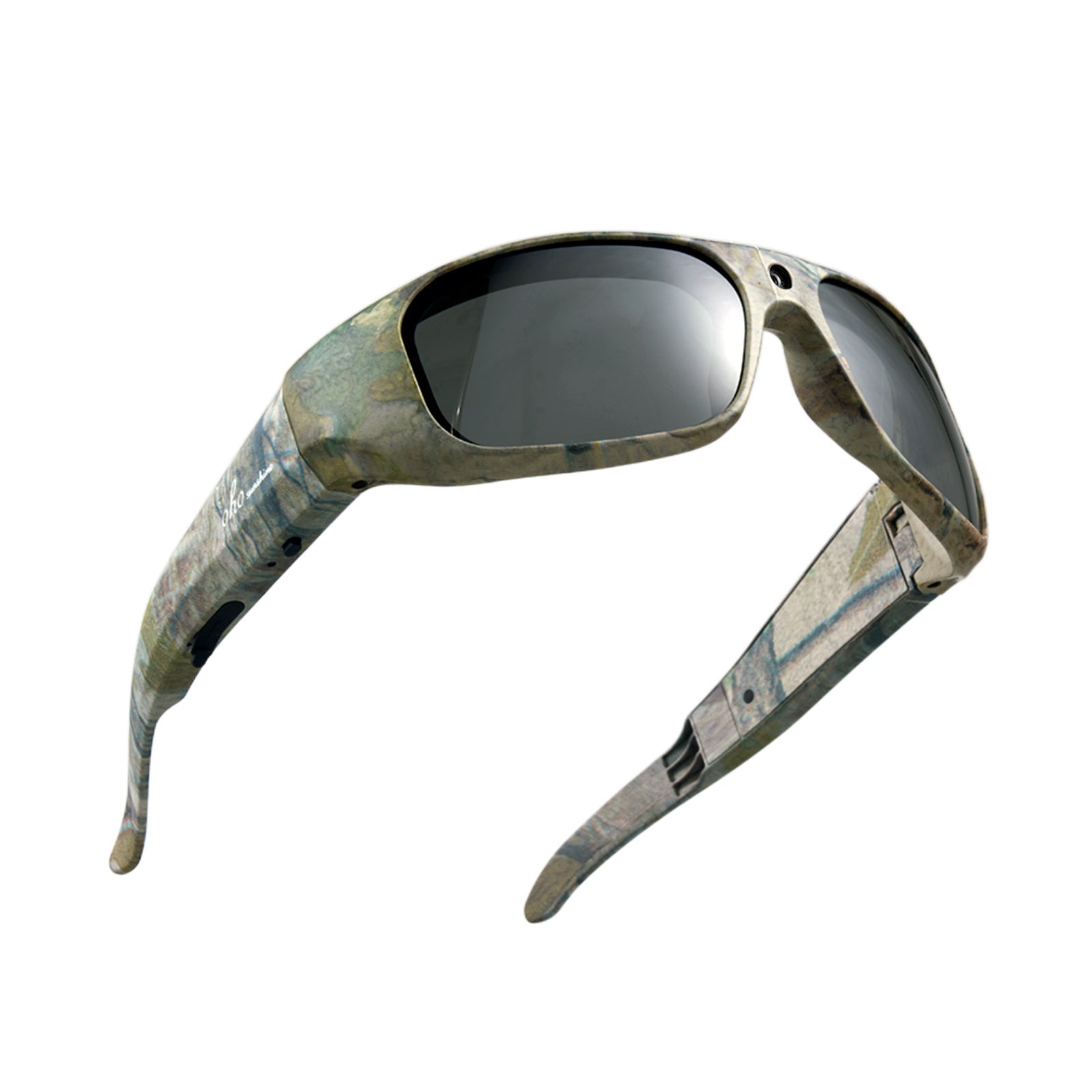
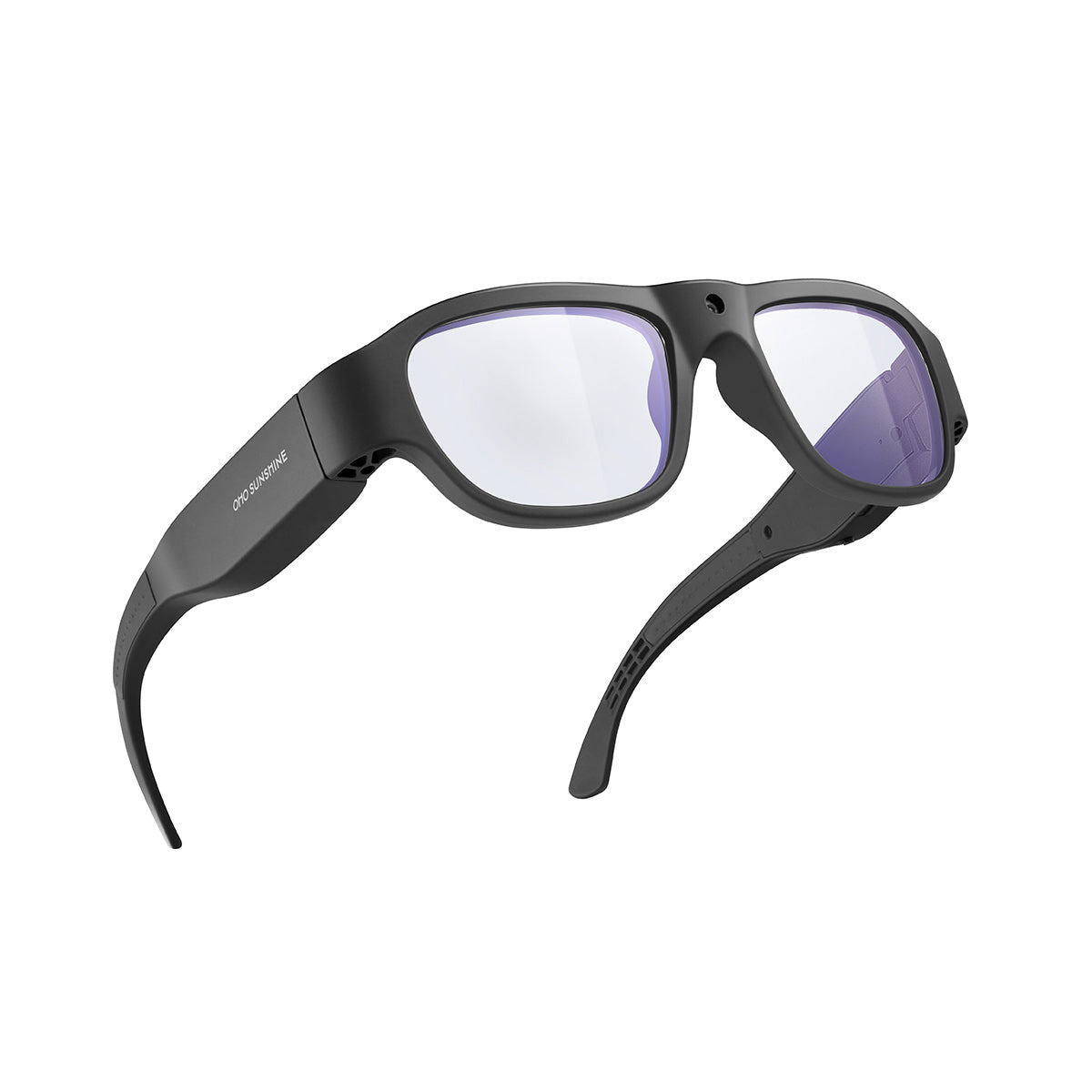
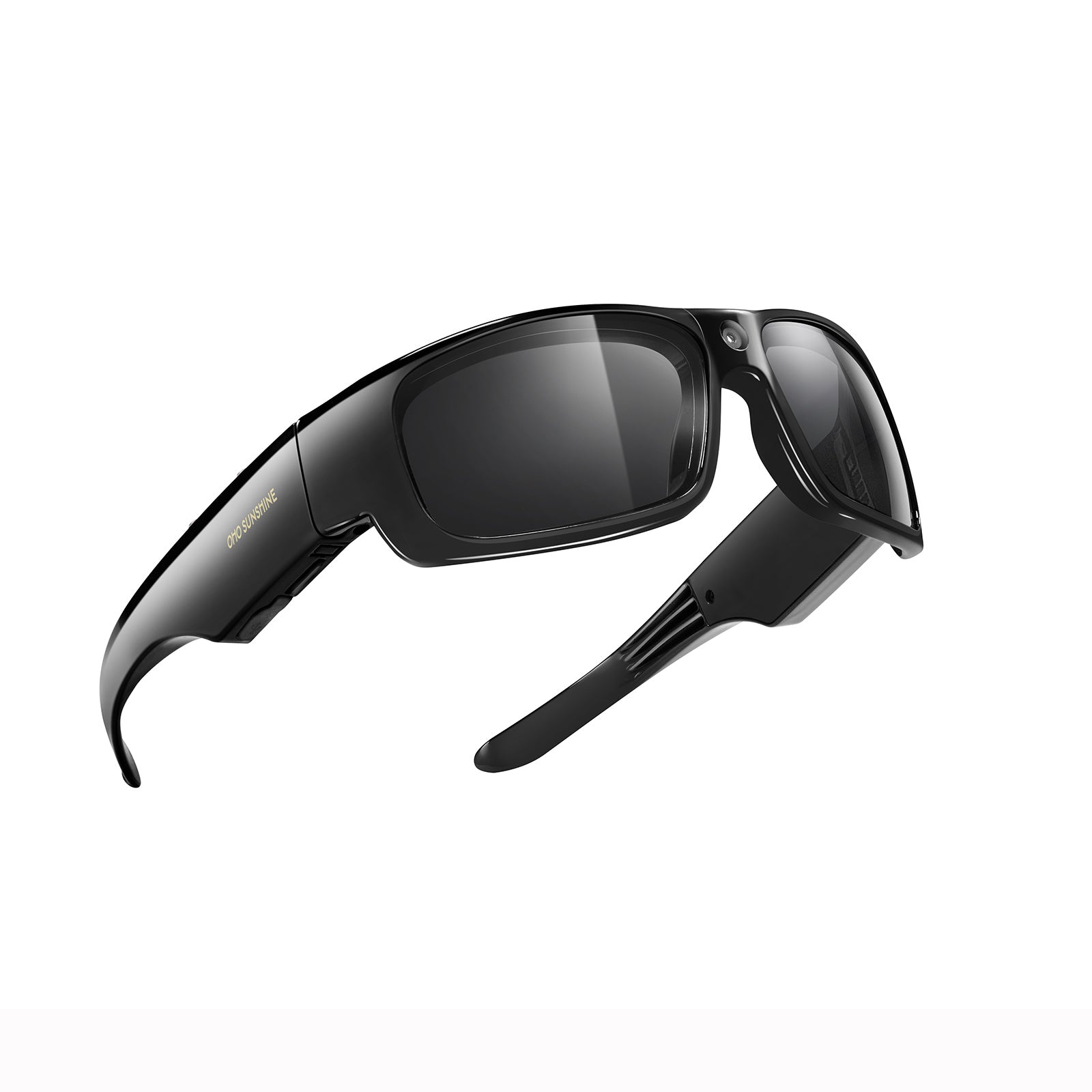
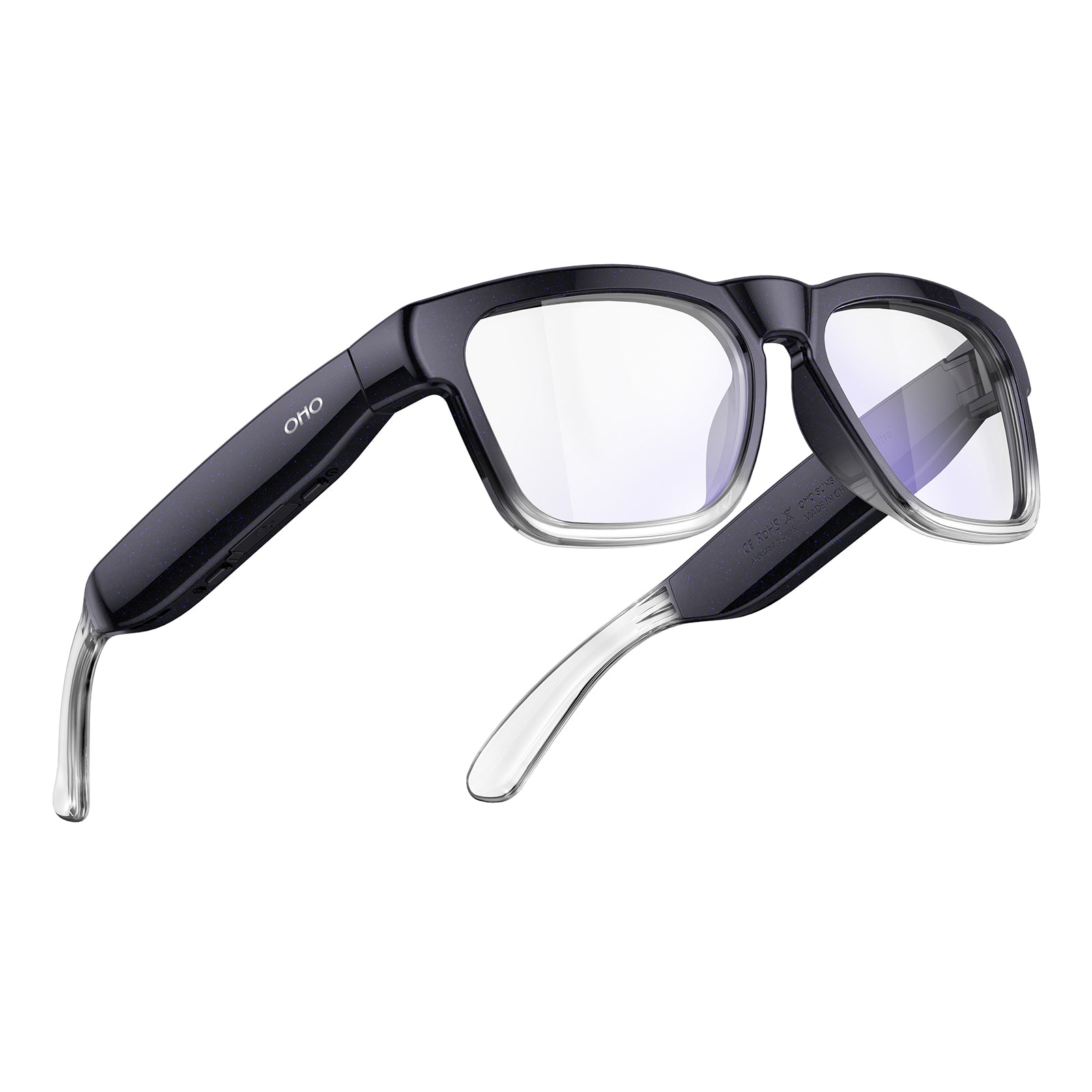
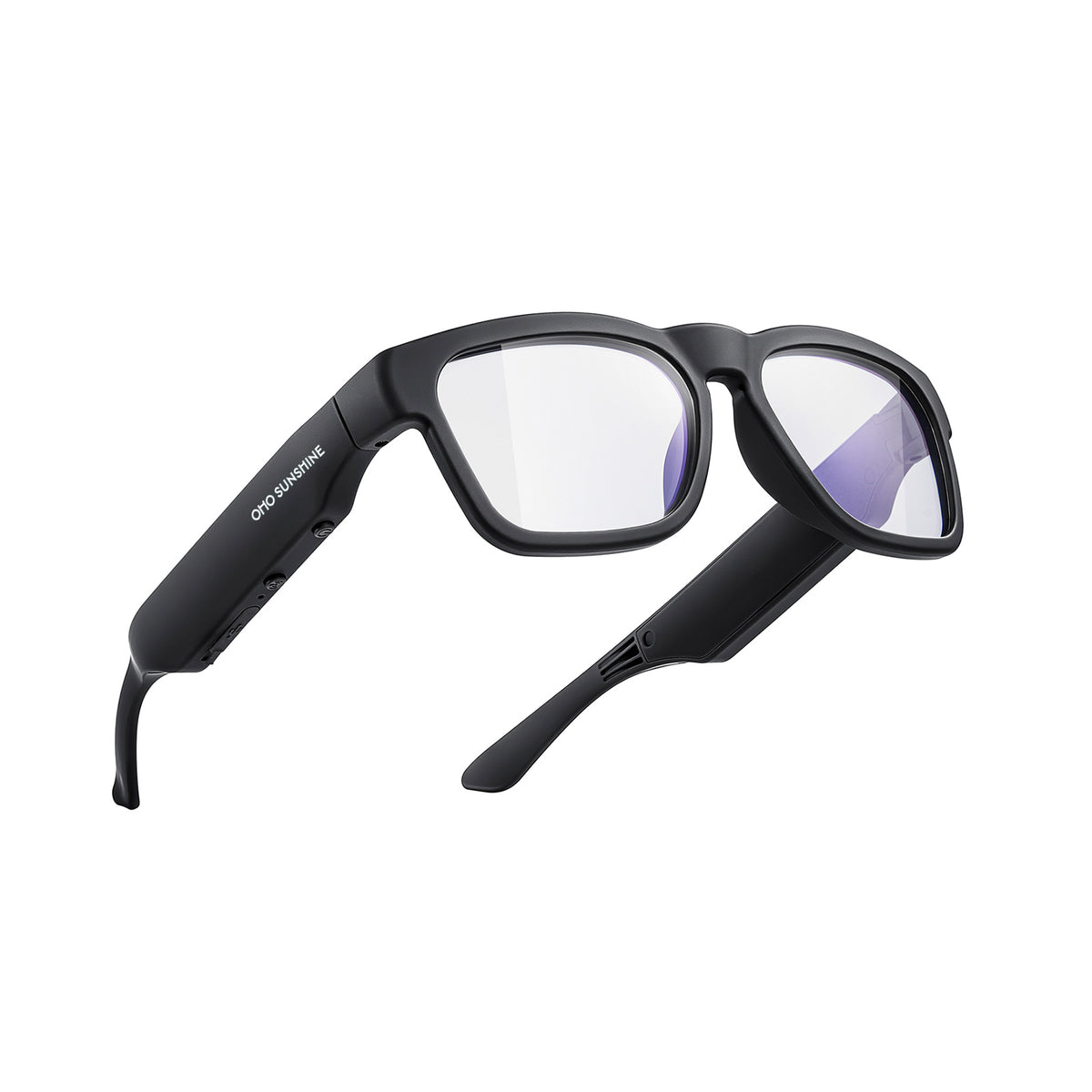
They make the most sense if you already expect to keep skiing and want to record your runs, since that points toward owning a pair anyway. Fit still comes first, so try any pair with your helmet before you commit. If you're comparing options, our smart snow goggles collection shows camera-equipped styles side by side.


Zanechať komentár
Táto lokalita je chránená testom reCAPTCHA a vzťahujú sa na ňu pravidlá ochrany súkromia a podmienky poskytovania služby hCaptcha.