





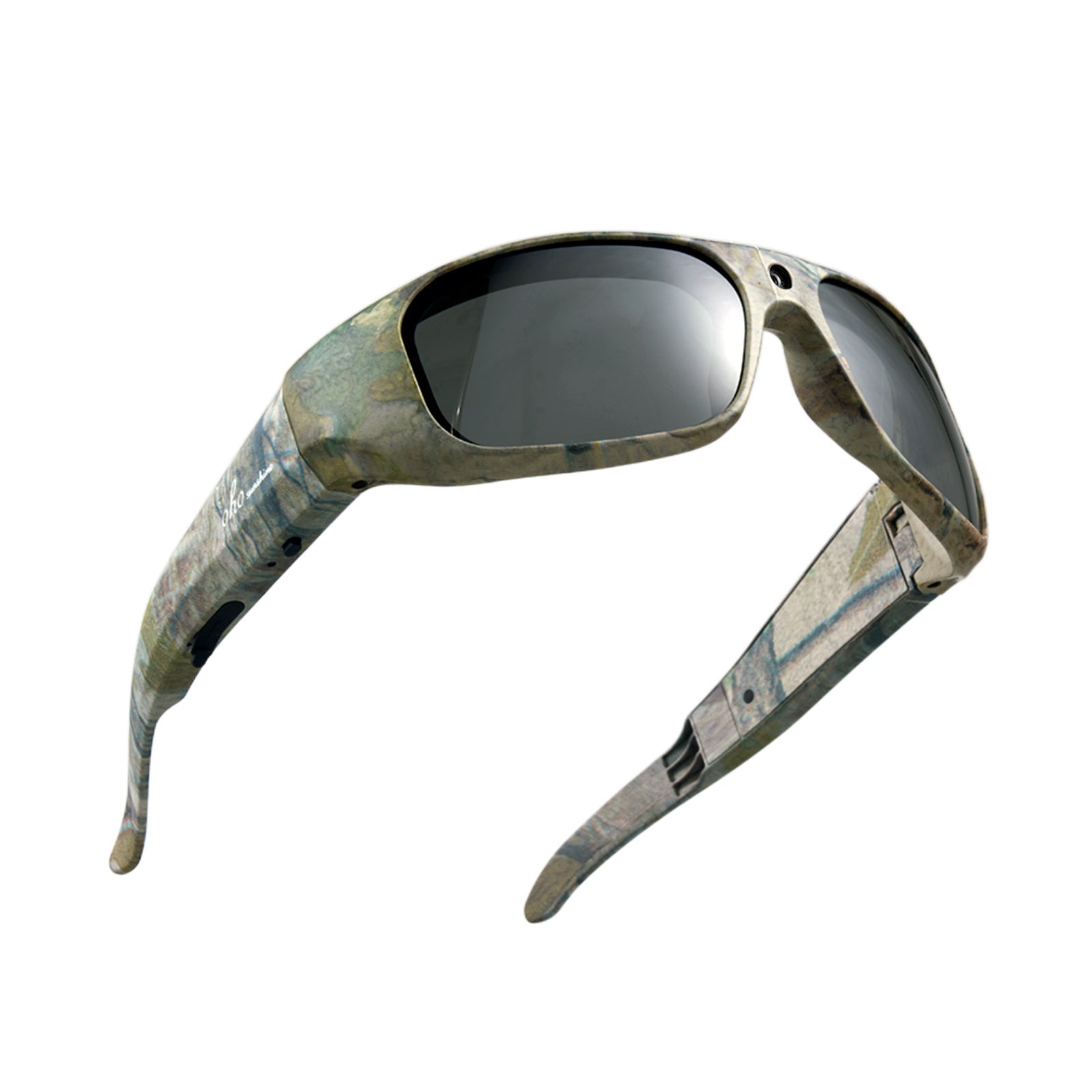


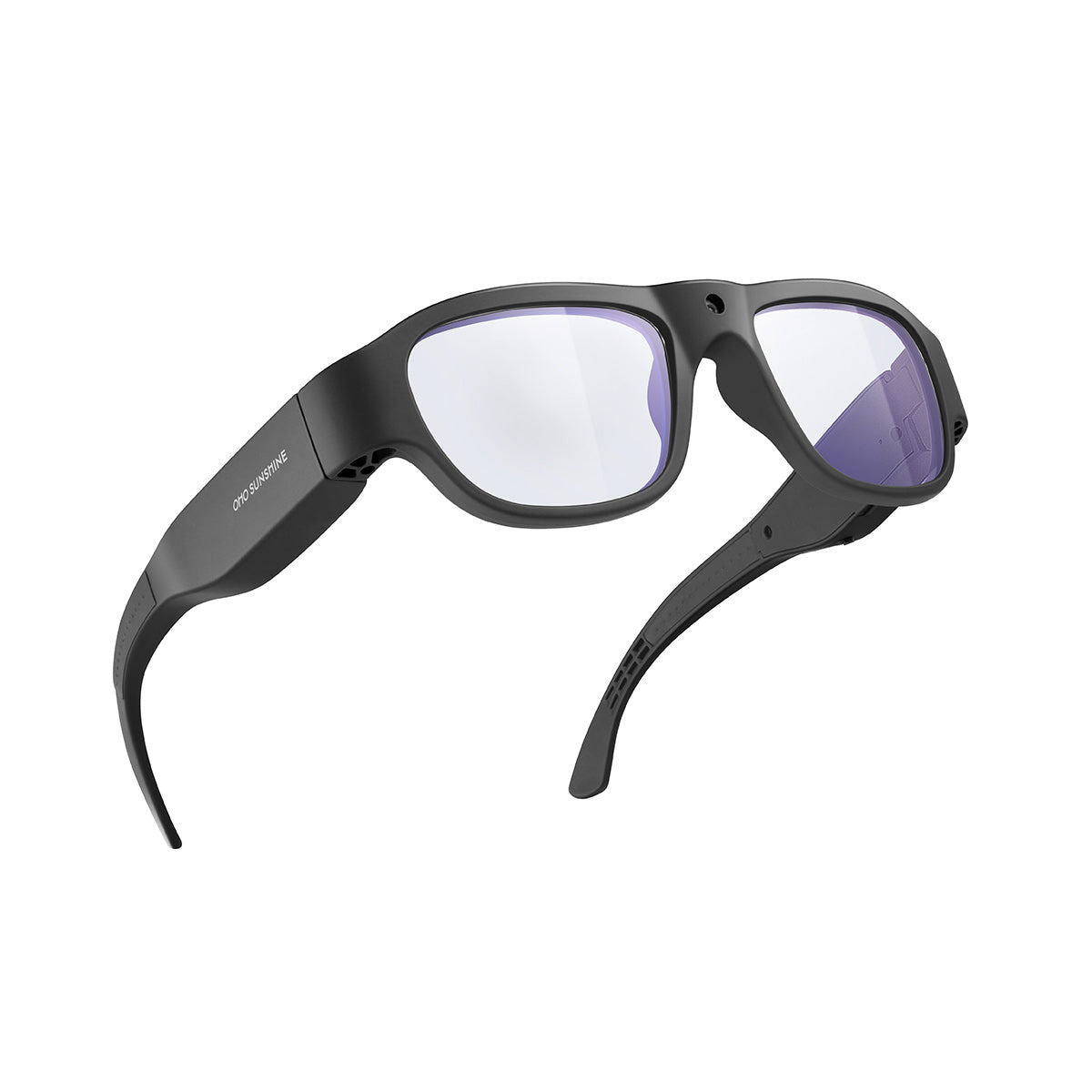
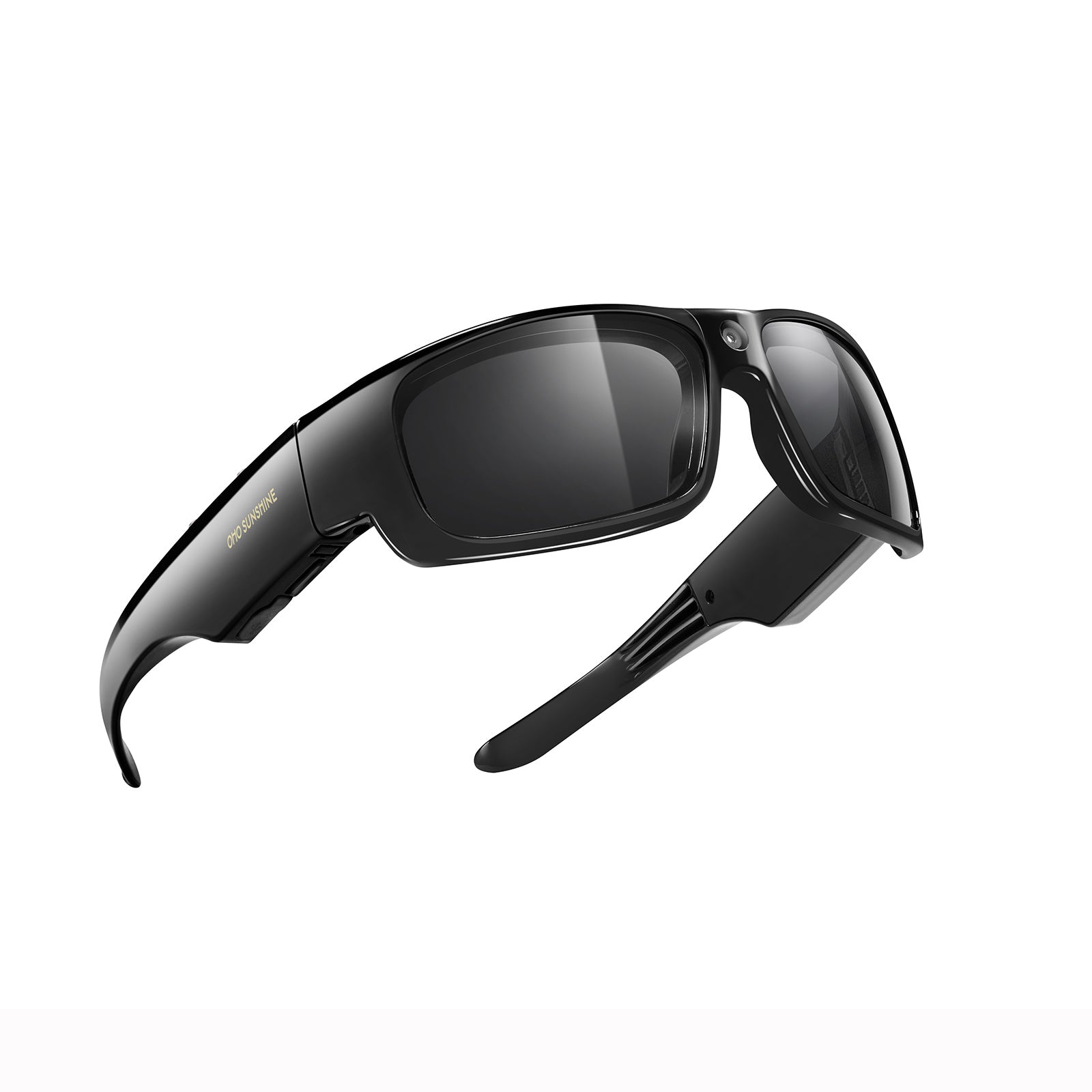


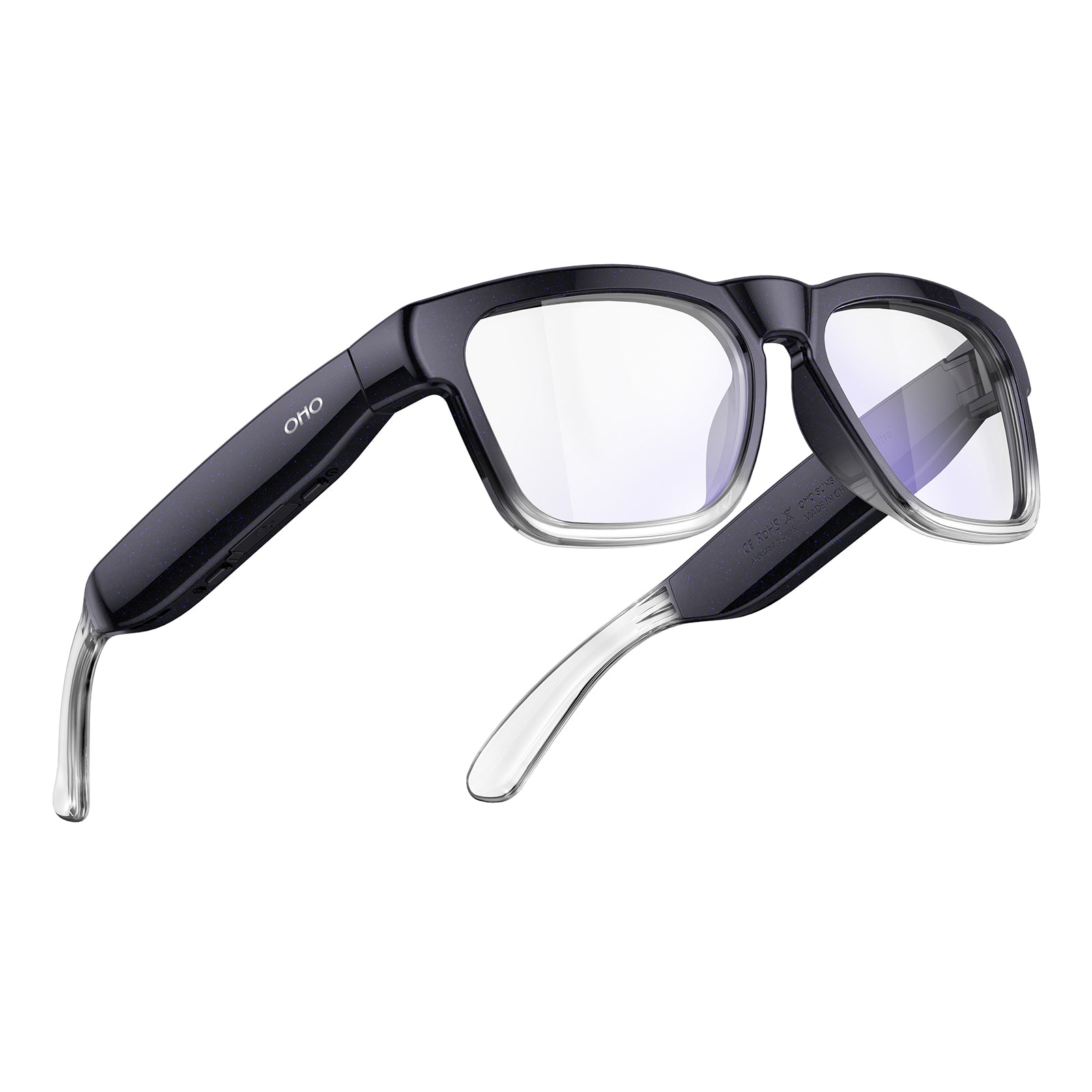


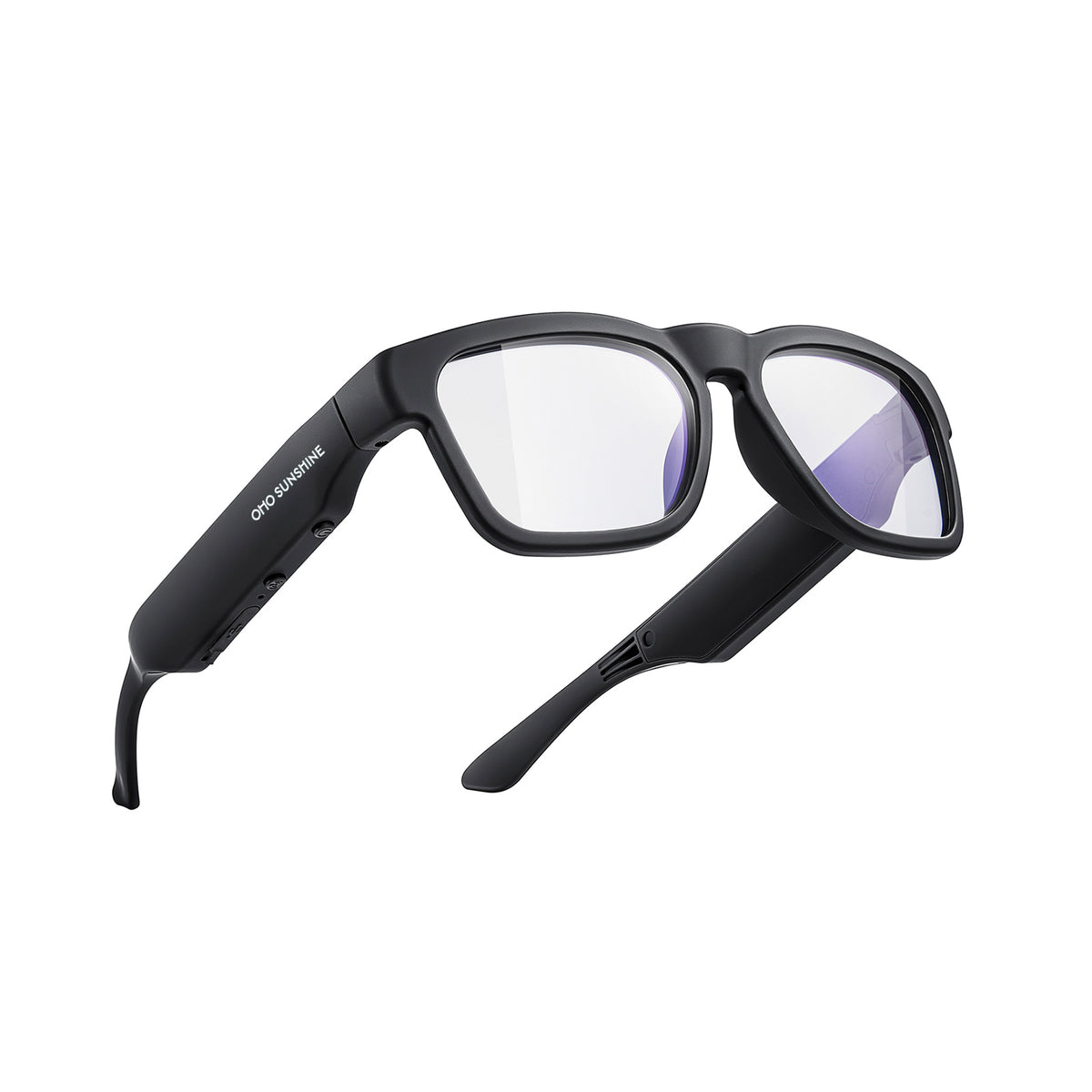


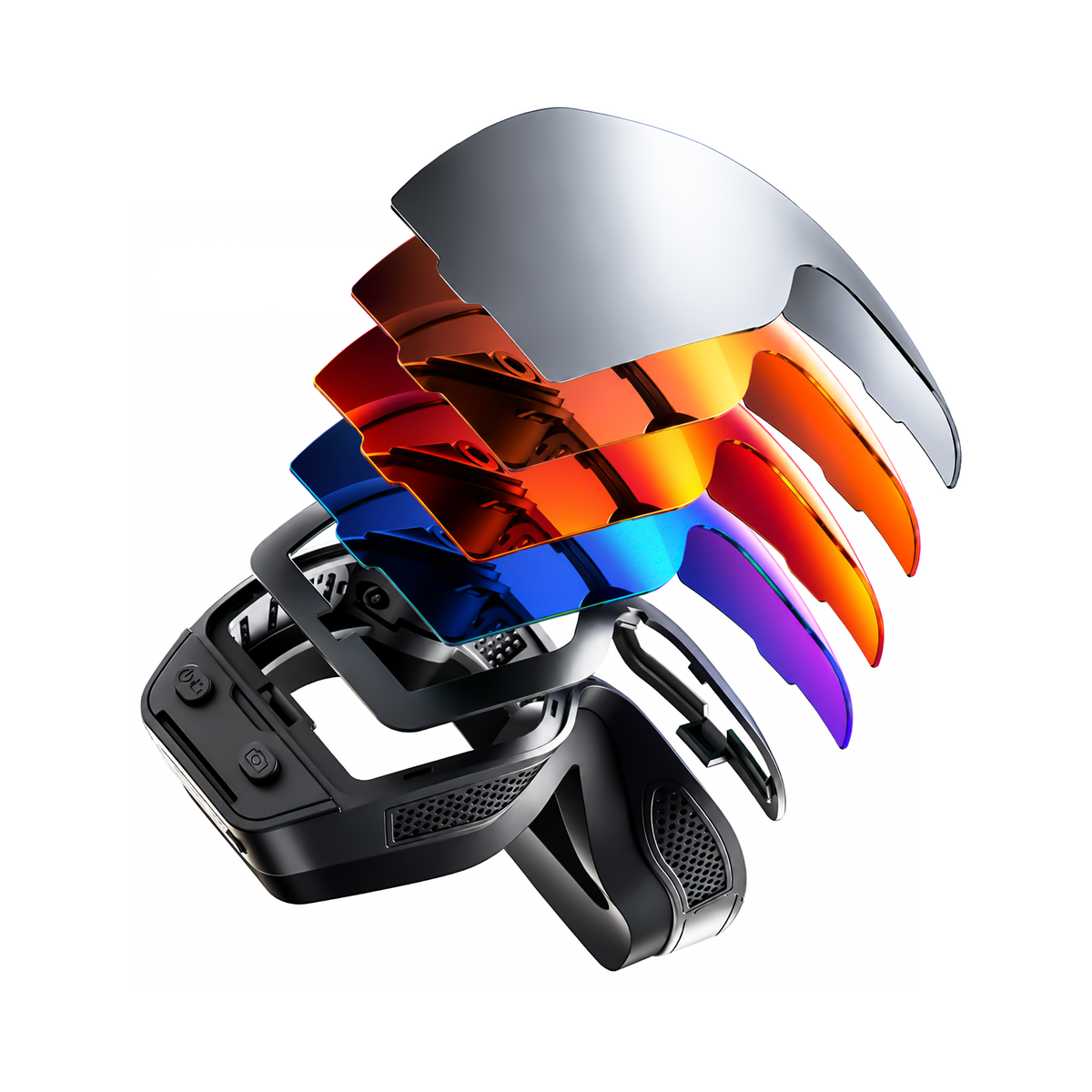



Yes, you can wear contact lenses with ski goggles. Contacts are a normal choice for sports and snowy weather, and a well-sealed goggle helps keep wind off your eyes. Goggles can't promise all-day comfort, though, because cold, dry mountain air can still irritate your eyes.
The best plan is contacts plus a backup. Bring prescribed glasses in your bag, carry contact-safe drops if you use drops, and see an eye-care professional if the dryness keeps coming back.
Can You Wear Contact Lenses With Ski Goggles?
Contacts and goggles can be worn together without any special setup. The open question is how your eyes feel after hours in the cold, and that part differs from person to person.
The qualified answer
The American Academy of Ophthalmology's EyeWiki notes that contact lenses suit sports and snow. That makes them a reasonable way to see clearly under your ski goggles or smart snow goggles on a day at the resort. It supports lenses in active, snowy settings in general. It is not a promise that every wearer will stay comfortable from first chair to last run. Your own eyes, your usual lens comfort, and the weather that day all shape how the day goes. That's why the rest of this guide is about planning for those conditions.
What goggles may, and may not, change
Goggles help with wind, but they don't make cold, dry air go away. In a University of Colorado ophthalmology interview, the foam around the goggle frame is described as helping keep out wind and creating a moisture chamber that helps protect against dry eye symptoms. The same expert explains that cold wind worsens eye irritation while you ski.
In practice, think of snow goggles as a windbreak, not a cure. A snug foam seal can make a gusty chairlift ride easier on your eyes. If your lenses start to feel dry or scratchy anyway, keeping the goggles on won't reverse that feeling. This works the same way whether you wear ski goggles or snowboard goggles, so plan your backup the same way for either sport.
Plan for Comfort and Backup Vision
A good day on contacts starts with a backup packed before you leave the house. With it in your bag, a change in how your eyes feel doesn't have to end your day on the mountain.
Pack a glasses fallback
A small kit covers the most useful options. Keep it in a jacket pocket, a locker, or the car so you can reach it at lunch or between runs.
- Prescribed backup glasses. A current pair in a hard case lets you take out your contacts and still see if they start to bother you. This is simple preparation, not a medical rule, but it keeps your day going.
- Your usual lens supplies. Bring the case and solution you normally use. Then you can take your lenses out cleanly instead of guessing on the spot.
- Contact-safe drops, if you use drops. Cold weather can dry out your eyes. An American Academy of Ophthalmology physician suggests you choose contact-lens safe drops and get professional help if the problem continues.

If discomfort develops
Eye irritation and goggle pressure feel different, and they need different fixes. If your eyes feel dry, gritty, or blurry, the goggles alone won't fix it. Taking your contacts out and switching to your backup glasses is the practical move. If dryness keeps coming back or lasts after you're off the snow, book a visit with an eye-care professional. They can give advice for your eyes, lenses, and prescription, especially if you already have an eye condition that affects lens wear.
Soreness across the bridge of your nose or around the frame is a fit problem, not a lens problem. You can fix nose bridge pinching by resetting the strap and checking foam contact before you tighten anything further. If you ride with goggles with camera, this comfort test for camera goggles walks through even pressure, balance, and helmet fit. Sorting out the pressure first makes it easier to tell whether any leftover discomfort is really coming from your lenses.

Before Your Next Day on Snow
Wear your contacts under your ski goggles if they usually work well for you. Just don't count on the goggles as your only comfort plan. Put a current pair of prescribed glasses and contact-safe drops in your gear bag now, check your strap tension before heading out, and consult your eye-care professional if dry-eye symptoms persist on the slopes.
FAQs
How can I tell if eye drops are safe to use with my contacts?
Look at the packaging first. An American Academy of Ophthalmology physician notes that many drops say right on the packaging that they are safe to use with contacts, and that most non-preserved lubricant drops can also be used with lenses. If the label doesn't say, ask your eye-care professional or pharmacist before you use it with your lenses in.
What if my contacts dry out on every ski trip?
Dryness that keeps coming back is worth a professional visit rather than another round of trial and error. According to the same AAO answer, if rewetting drops don't fix the problem, a new lens or a refitting may be an option. Only an eye-care professional who examines your eyes can decide whether that fits your situation.
Does general advice apply if I have an eye condition that affects lens wear?
Not always. General guidance about contacts in cold weather is written for typical wearers, so it may not match your eyes or your prescription. If you have a known condition, or lenses often bother you even at home, ask your eye-care professional about snow sports before your trip.


Zanechať komentár
Táto lokalita je chránená testom reCAPTCHA a vzťahujú sa na ňu pravidlá ochrany súkromia a podmienky poskytovania služby hCaptcha.