





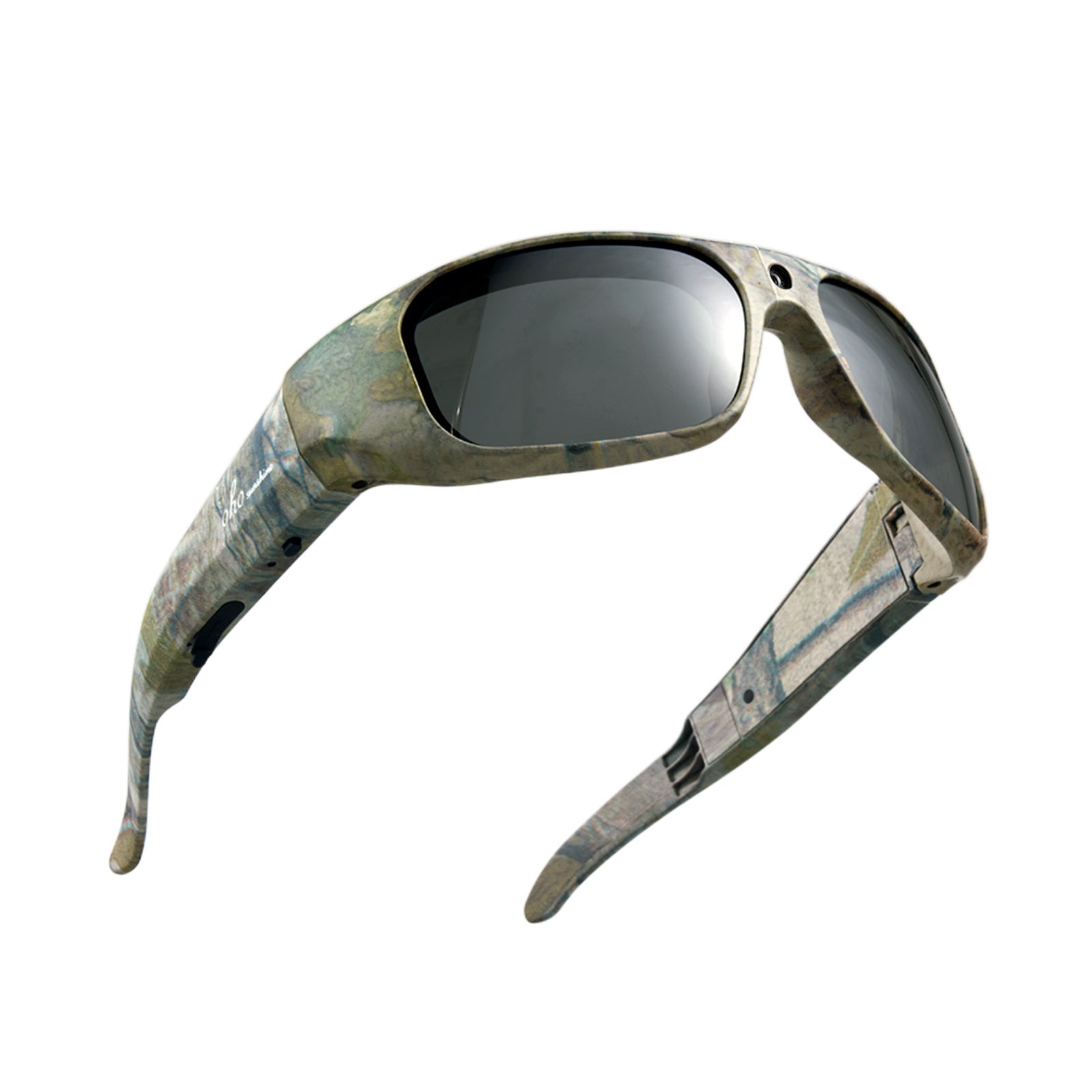


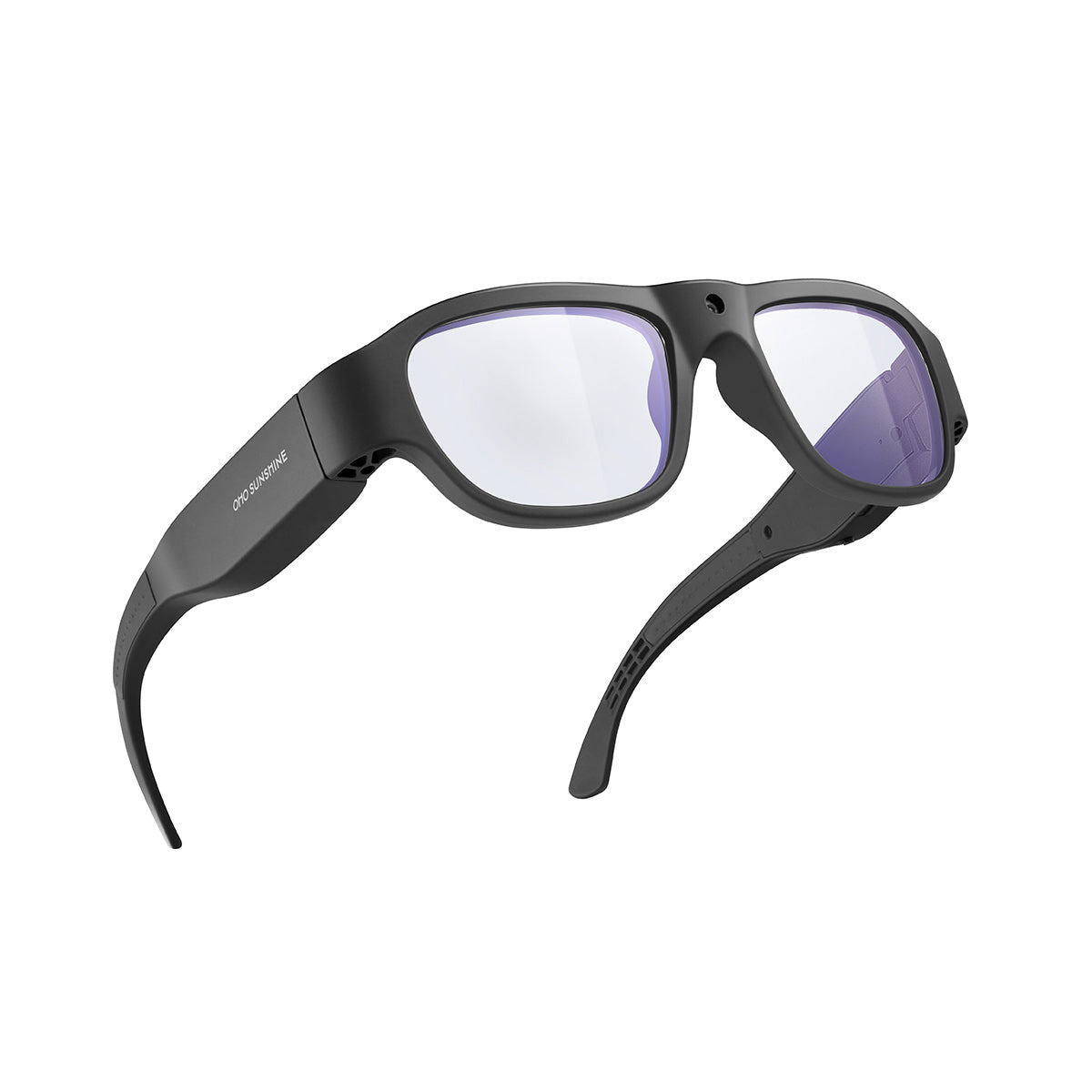
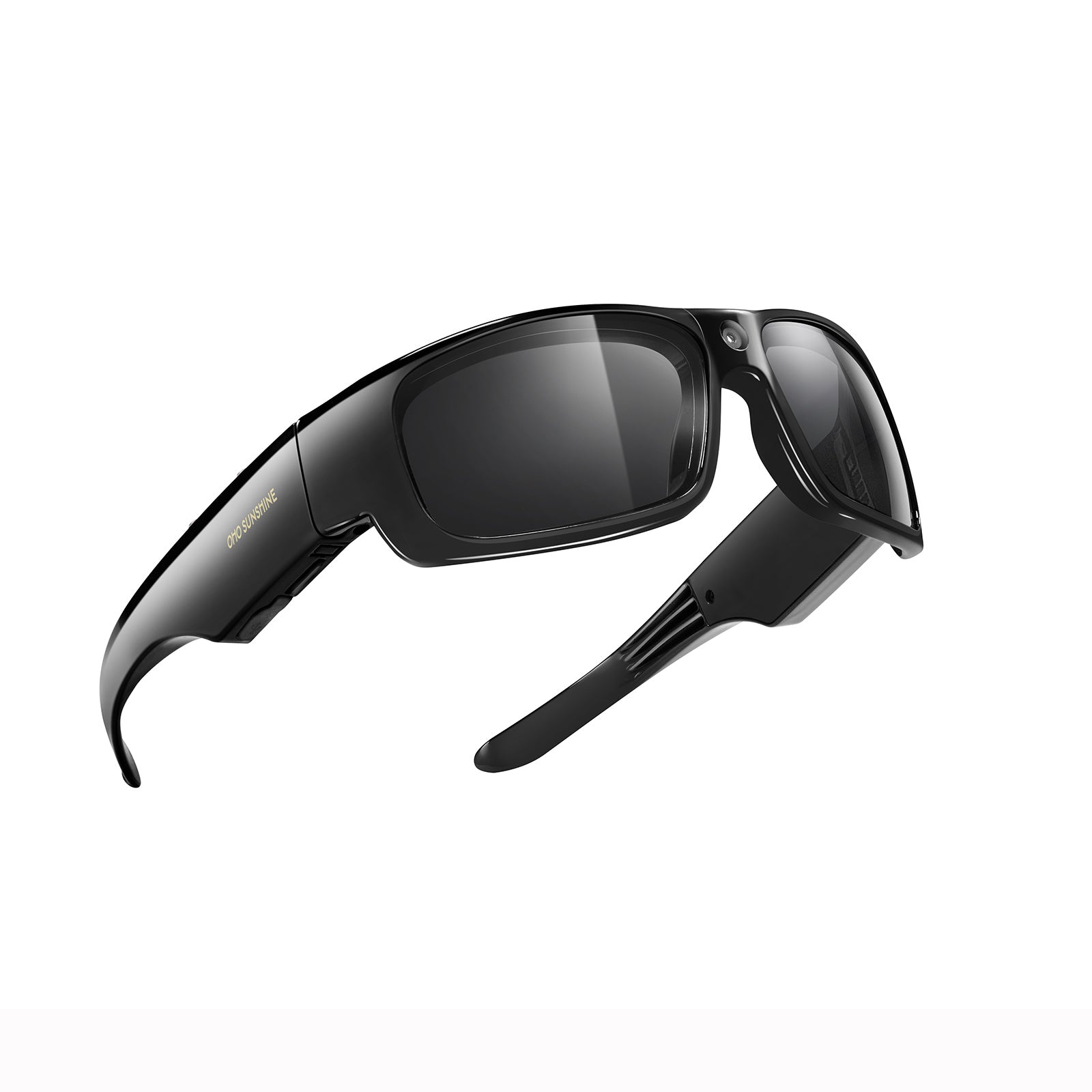


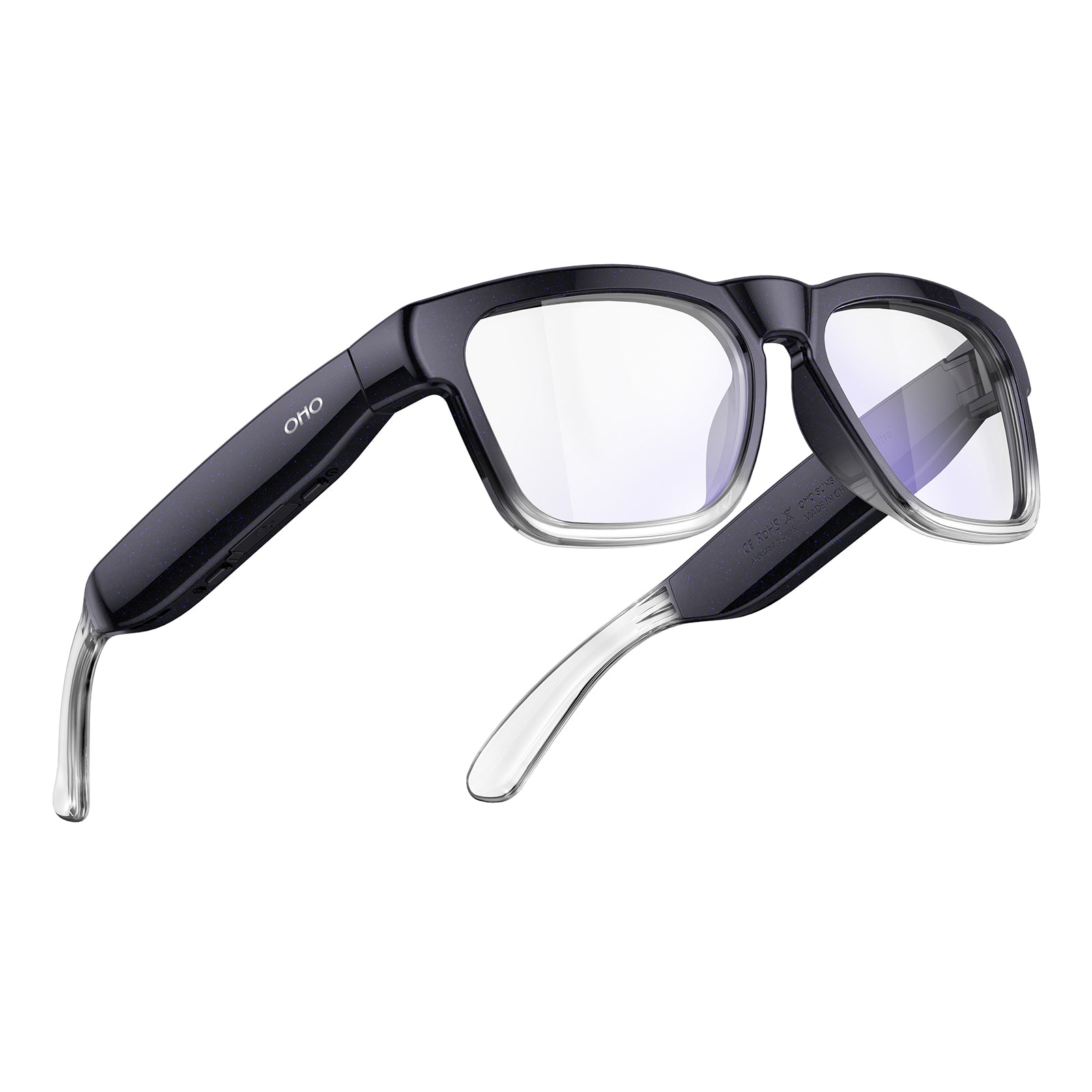


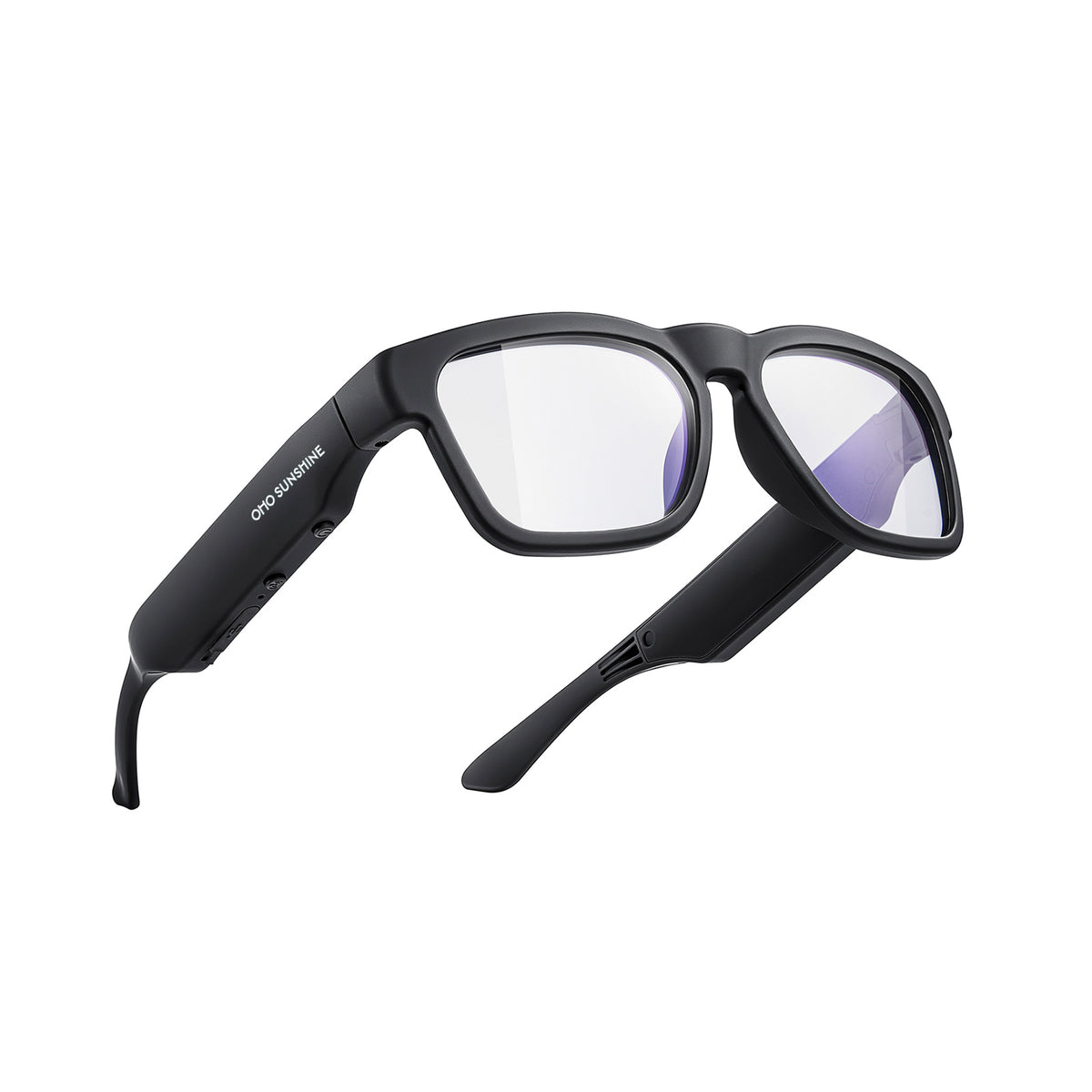





An anti-fog label on goggles with a camera does not tell you whether they are waterproof or water-resistant. Fog control and water resistance answer different questions, so you need a separate, model-specific statement that names the parts and moisture conditions it covers. Before you rely on any protection, check the exact model, which components the claim includes, and whether it mentions snow, splashes, or submersion.
Anti-Fog Is Not Proof of Water Resistance
An anti-fog claim is about how the lens handles fog. A water-resistance claim is about which moisture conditions the goggles, or certain parts of them, are built to handle. Because they answer different questions, an anti-fog bullet on a listing tells you nothing about snow, splashes, or water reaching the camera electronics. Learning why goggles fog helps with clear vision on the hill, but it is a separate problem from water getting in.
Official eye-protection advice keeps the two features apart too. In its NIOSH workplace eye-protection guidance, the agency calls well-fitted, indirectly vented goggles with an anti-fog coating the best choice for protecting workers' eyes from splashes. It also notes that directly vented goggles can let splashes in. Put simply, fit and venting handle splash protection there, and the coating handles fog. That advice covers workplace goggles, not ski goggles or camera housings, but it shows why the two features belong on separate lines of a spec sheet.
A missing water-resistance claim does not settle the question either way. If a listing says nothing about water, that does not mean the goggles leak, and it does not mean they are sealed. It only means the protection is undocumented, so your next move is to find out what the manufacturer actually says.
Check the Exact Model, Components, and Exposure Conditions
A moisture claim applies only to the model, parts, and conditions it names. Read it at that scope and no wider.
Start with the model's current official information
- Confirm the exact model. Match the product name and model identifier on the goggles, box, or listing to the documents you are reading. That goes for the goggles you already own and for anything you are comparing in our smart snow goggles range. A claim for one version does not carry over to another.
- Use the manufacturer's current information. Go to the official product page, FAQ, or manual. For our gear, the OHO SUNSHINE manuals and user guides are all in one place.
- Copy the water-resistance wording exactly. Write down the actual sentence, not the anti-fog bullet. If the documents list an IP code, this guide to IP ratings explains that the second digit covers liquid ingress and that an X means no rating is claimed for that category.
- Note what the statement covers. Decide whether it describes the whole goggle assembly or names the camera or electronics specifically.
Match each covered part to the intended exposure
A claim helps only when both the part and the condition match how you plan to ride. Check each claim on two points:
- Covered part: Does it name the goggle assembly, the lens, the camera module, the electronics, or the charging port? Don't assume a part is covered if the claim doesn't name it.
- Named exposure: Does it say snow, sleet, splashes, wet snow, or submersion? These are different conditions. A splash claim does not cover being dunked in water, and a snow claim does not cover being soaked.

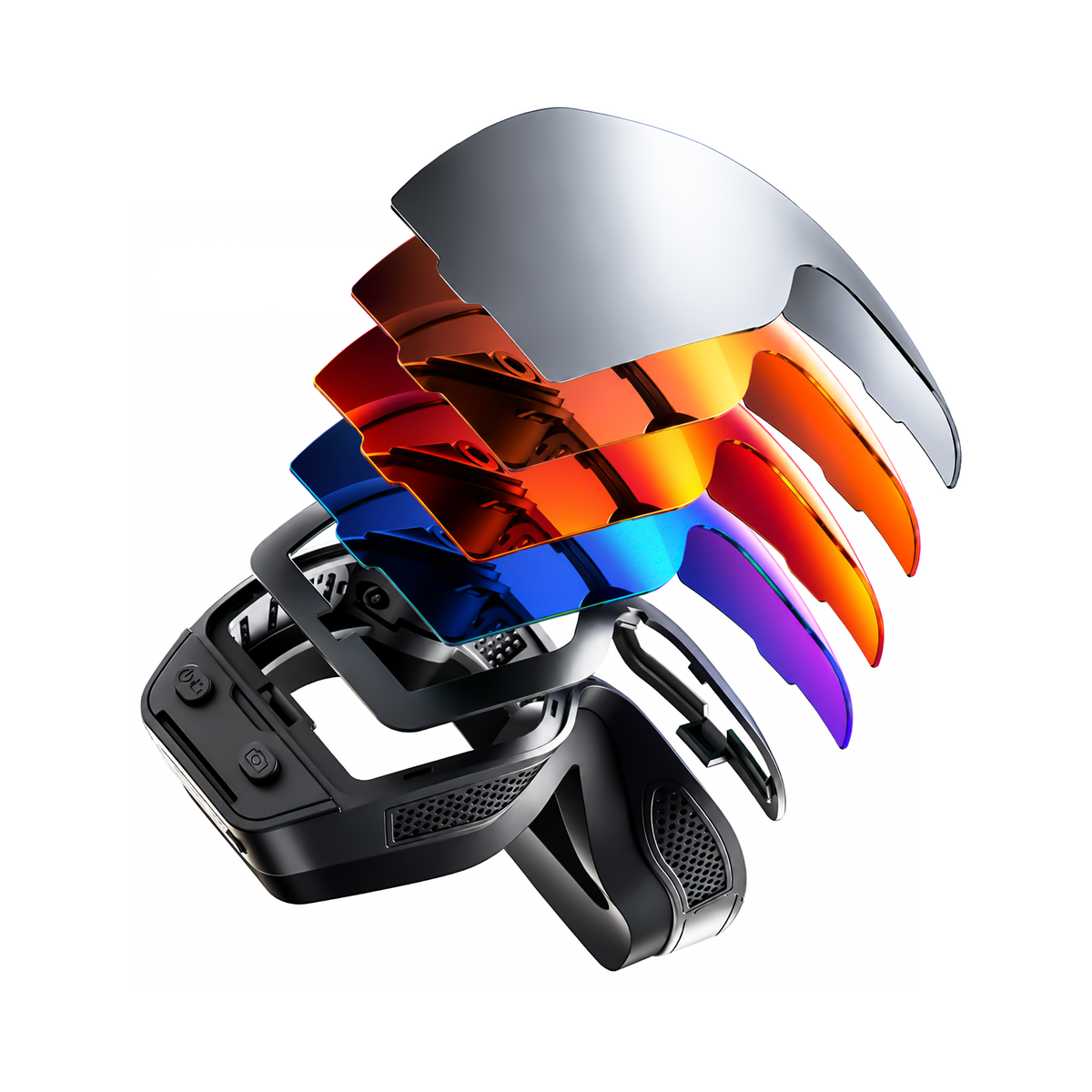
Our own goggles are a good example. Our Skyshot 4K camera goggles pair an anti-fog lens with a built-in camera and USB-C charging, so there are several parts a claim could cover. The Skyshot moisture claim in our collection FAQ says the goggles are built to handle snow, sleet, and splashes with a full seal, and that they are not designed for submersion. That gives clear exposure limits for the goggles as a whole. It does not name the camera module or the USB-C port separately, so the full-seal wording alone doesn't tell you how well those two parts are protected.
Your plans also change which conditions matter. Melting snow and slush mean wetter contact than a cold powder day, so compare that exposure to the stated conditions before you ride. Our spring slush checks walk through that situation. Afterward, our steps for drying snow goggles after wet days cover checking for moisture near the ports.

If a Component Isn't Named, Treat Its Protection as Unverified
When the documents don't mention the camera, the port, or another part, ask the manufacturer and rely only on a clear answer in writing. Until you get one, treat that part as unverified for the conditions you have in mind.
- Ask a specific question. Include the exact model, the component, and the exposure. For example: "On this model, is the camera module protected against sleet and splashes? What about the USB-C port?"
- Send it to official support. For our goggles, you can contact our support team by email or phone.
- Compare the reply to your question. It counts only if it names both the component and the condition. A reply that just repeats the general assembly claim or the anti-fog features leaves the question open.
- Stay within what is documented. With no clear answer, use the goggles only in the conditions the documents actually list, and don't count on protection for any part that isn't named.
The takeaway is the same for ski goggles, snow goggles, and snowboard goggles with a built-in camera. Anti-fog and water resistance are two separate claims, and neither one proves the other. Only a statement that names the model, the part, and the condition tells you what the goggles can handle when they get wet.
FAQs
What if the product listing and the manual describe water protection differently?
Go by the narrower, more specific wording until the manufacturer tells you which one applies to your model version. If one source names fewer conditions or fewer parts, treat the broader claim as unconfirmed. Ask support in writing to clear it up, and include the model identifier from your goggles.
Does "full seal" wording cover the camera and charging port?
Only if the statement names those parts. For example, our Skyshot collection FAQ describes a full seal for snow, sleet, and splashes. It doesn't list the camera module or USB-C port separately, so ask about those parts directly if they matter for how you ride.
Does a snow and splash claim mean goggles with a camera can go underwater?
No. Submersion is its own condition and has to be stated on its own. Our Skyshot goggles, for instance, are described as not designed for submersion. If a claim doesn't mention being underwater, don't assume the goggles can handle it.
What does an IP code on camera goggles tell me?
An IP code's second character is about protection against liquids getting in, and an X means the manufacturer claims no rating for that category. The code applies only to the model and part the documents assign it to. It won't tell you on its own which snow or slush conditions the goggles were designed for.


Zanechať komentár
Táto lokalita je chránená testom reCAPTCHA a vzťahujú sa na ňu pravidlá ochrany súkromia a podmienky poskytovania služby hCaptcha.