





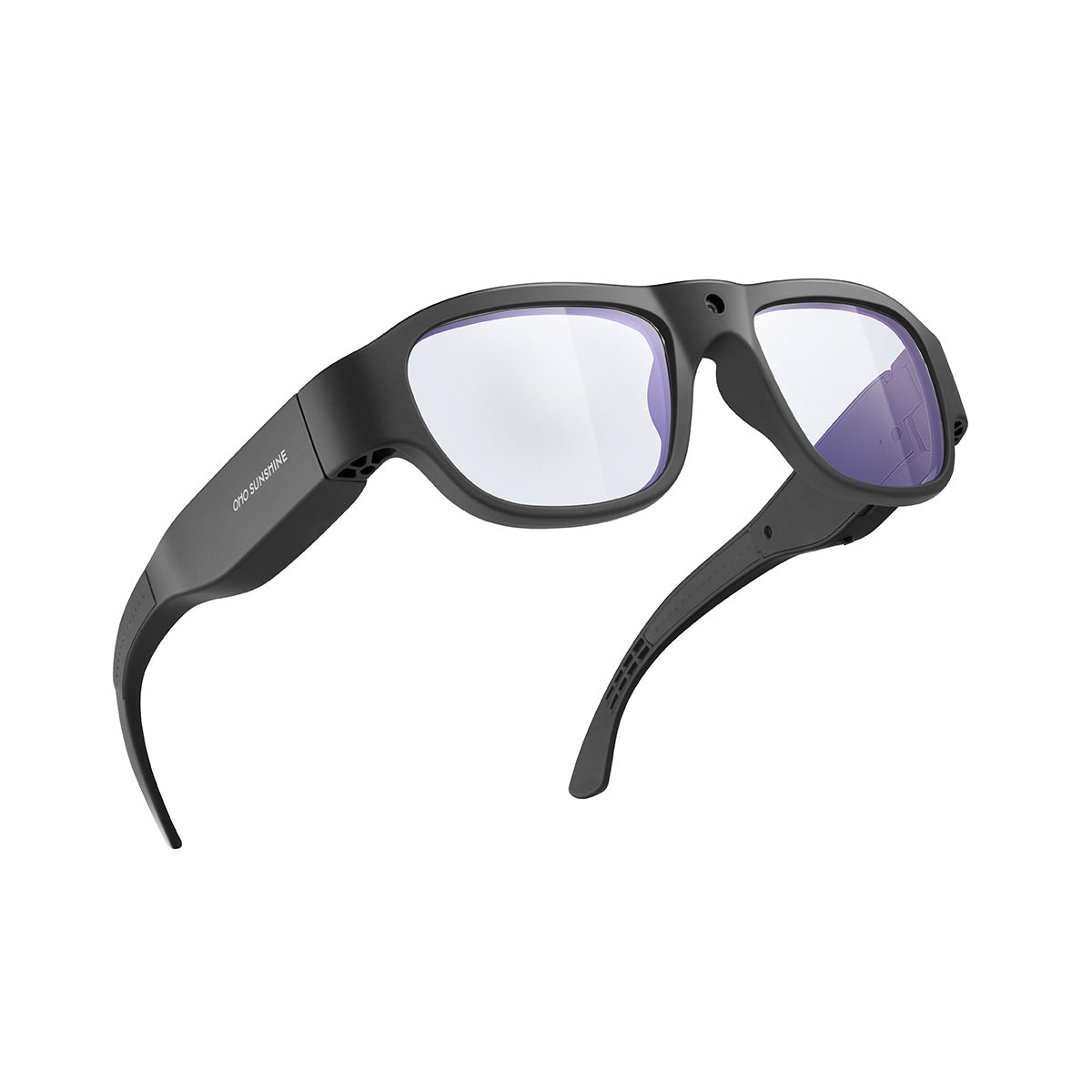

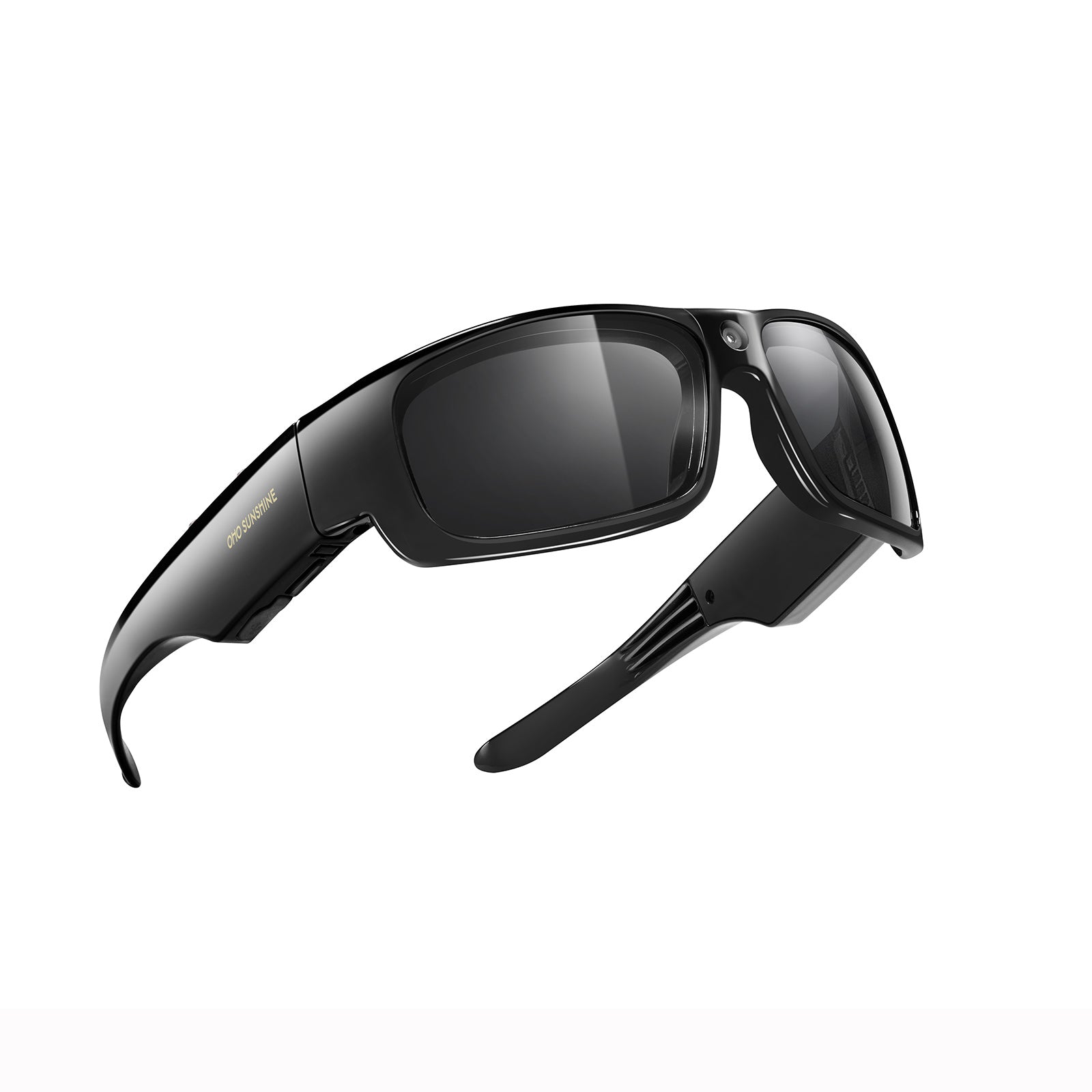


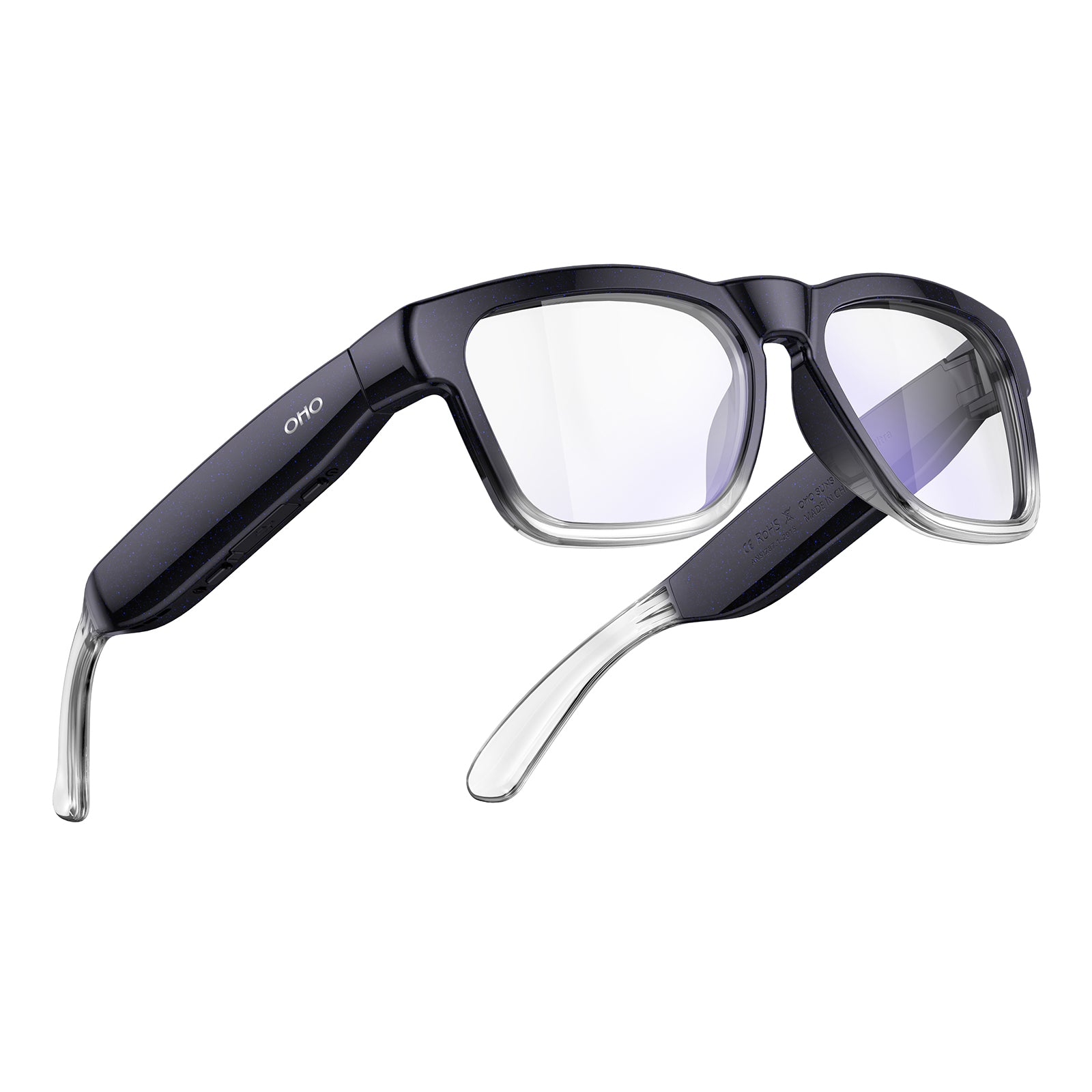
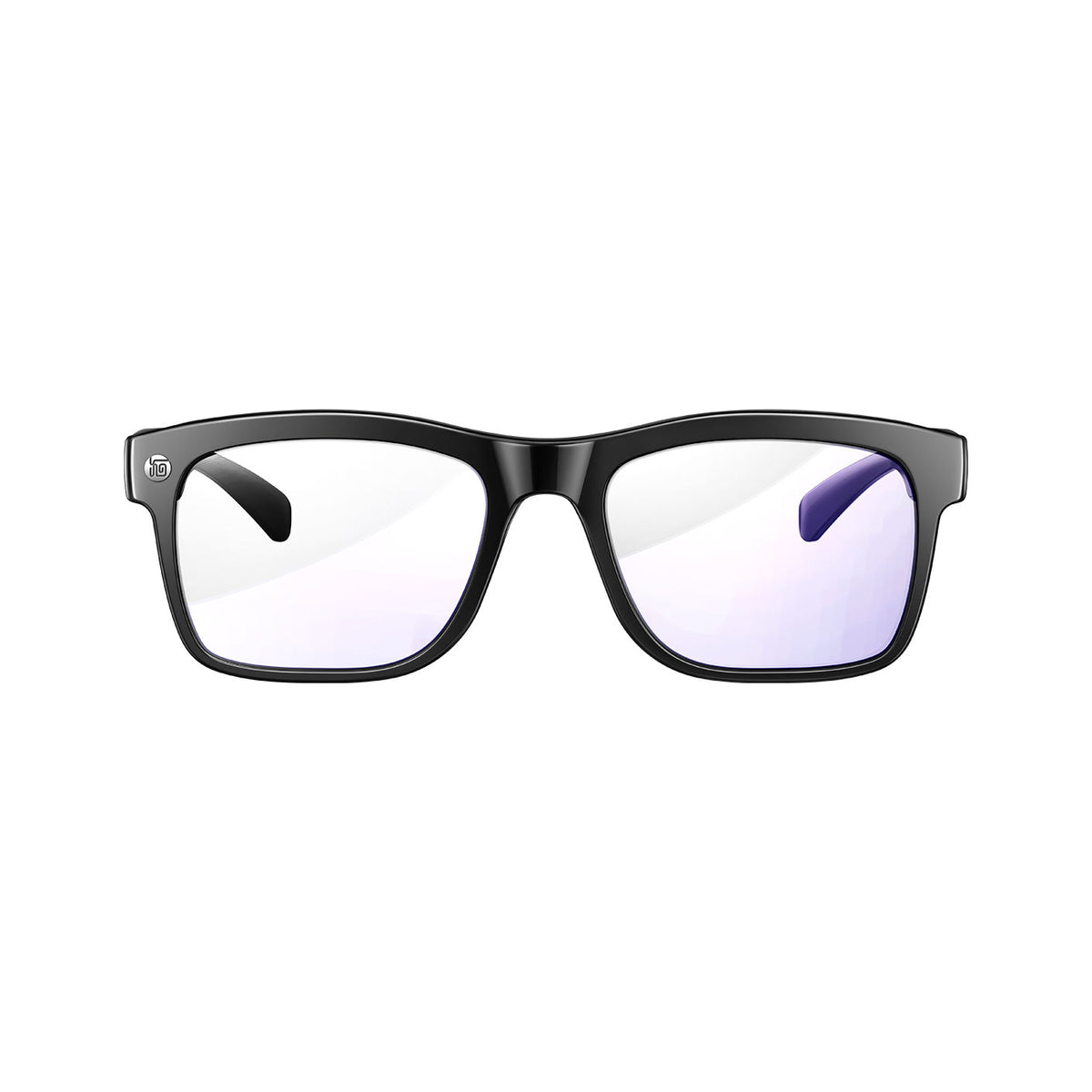







Pack smart glasses with camera when you want short, hands-free clips from your own point of view, like walking a market or boarding a ferry. Pack your phone when you want to see the frame, zoom, and compose a shot before you share it. Take both only when your trip calls for both kinds of footage and each device has the power, storage, and permission to record where you are going.
Choose by the moments you want to capture
The right device depends less on specs and more on the kind of moment you want to record. Start with how you plan to film, whether that's a framed, deliberate shot or a quick hands-free clip, and the choice usually becomes clear.
When the phone's frame matters
A phone is the better tool when the shot depends on what you can see before and during recording. Think of a sunset over a skyline, a landmark you want centered, or a clip where a friend needs to stay in frame. On iPhone, for example, the Camera app shows a live video frame, and Apple documents iPhone's on-screen framing and zoom controls you can use while recording, such as pinching the screen or tapping preset zoom levels. Those preset options depend on your iPhone model, so check what your own phone offers before the trip. If you plan to adjust composition mid-clip, the phone should be in your bag.
When hands-free POV matters
Camera glasses earn their place when holding a phone would get in the way of the moment itself. That includes walking through a crowded street, carrying bags through a station, or capturing what you see while your hands stay free. These clips are usually brief and spontaneous, so the value comes from being ready rather than from careful framing. Steady head movement helps a lot here, and our guide to stable first-person video covers pacing and movement habits for smoother results.

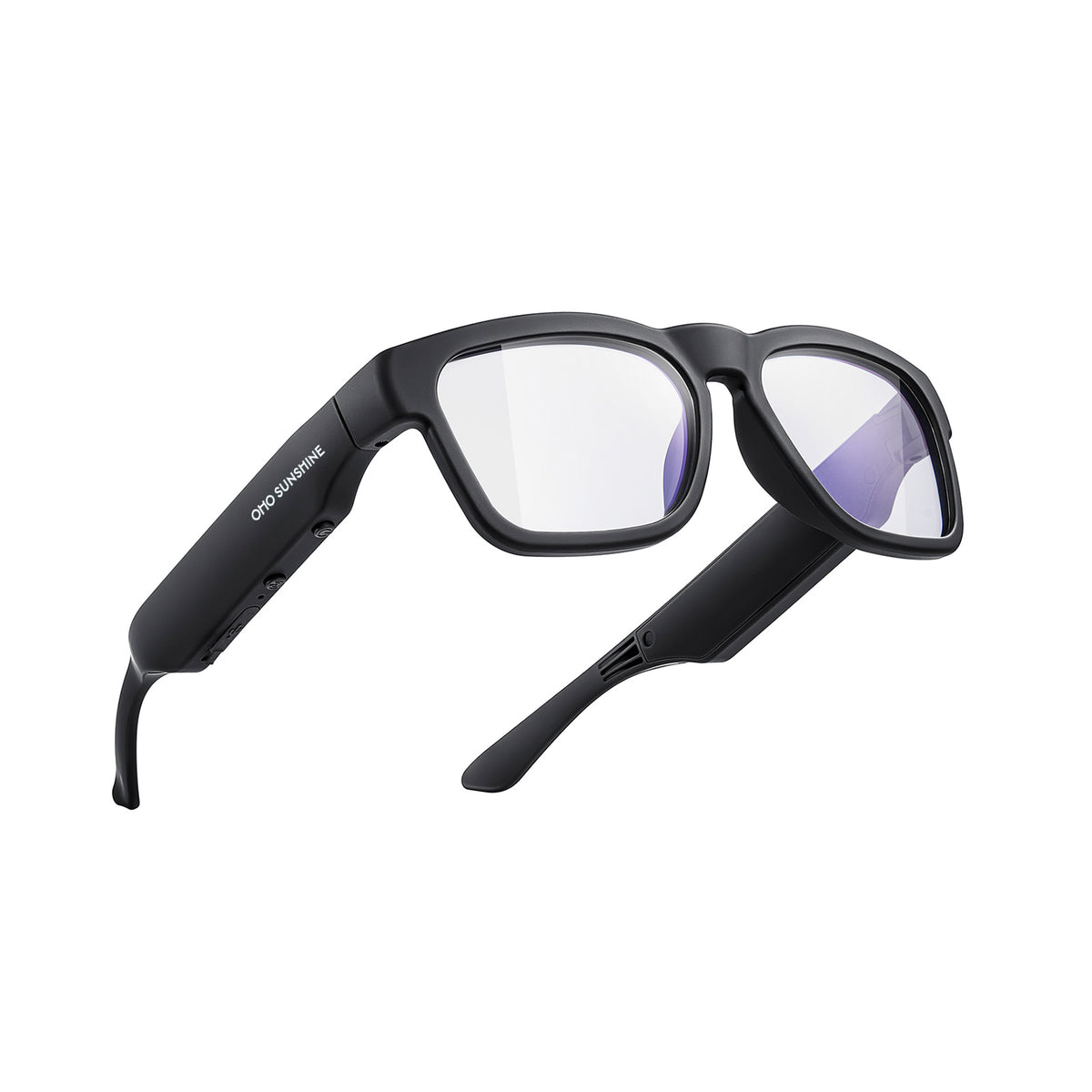
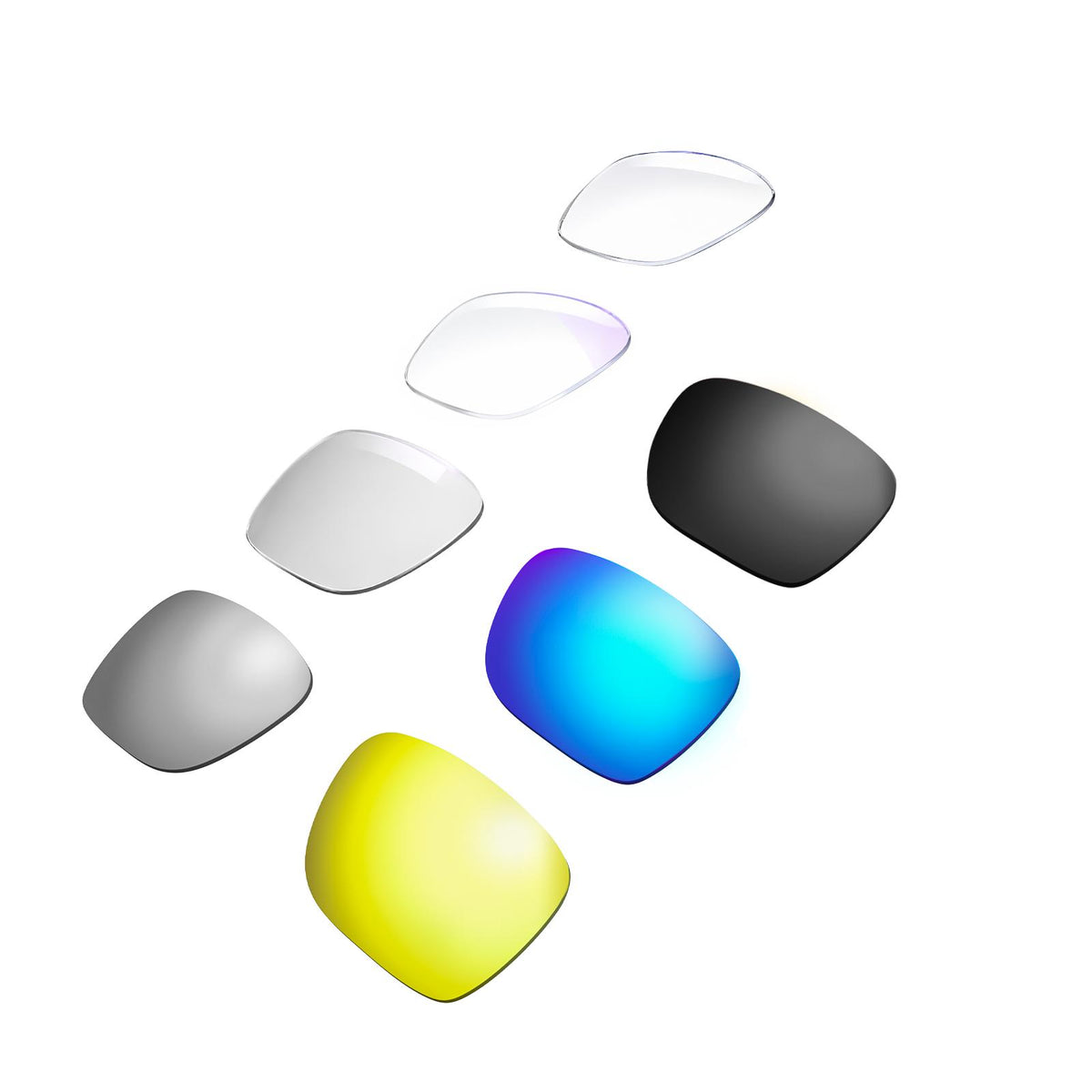
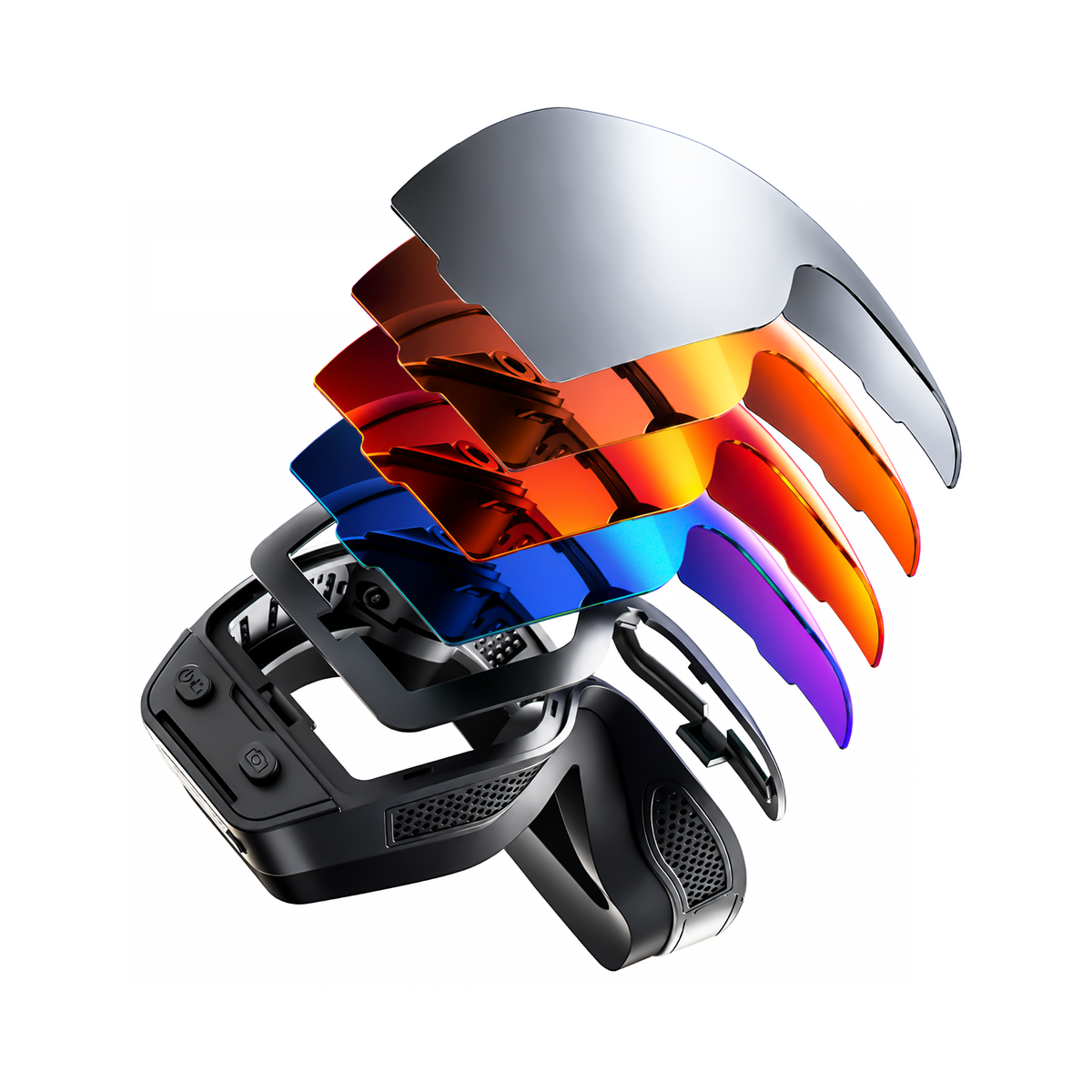
If those hands-free travel moments are your priority, our Touch camera glasses fit that job well. They record hands-free first-person video at 1080p and 30 fps, take 16MP photos, and include a built-in microphone. The photochromic lenses with UV400 protection also make them practical to wear as everyday eyewear while you move between indoor and outdoor spots. If your itinerary mixes both styles, such as POV walking clips by day and composed landmark shots at golden hour, packing glasses and a phone makes sense once the power and storage plan below checks out.
Plan recording-day power, storage, and transfer
Before you pack either device, make sure it can last through a full day of shooting. That means enough battery for the clips you plan, enough free space to store them, and a simple way to move footage off the device.
Compare power with planned capture time
Start by estimating how many minutes you actually expect to record in a day, not how long you will be out. Our Touch glasses have a listed battery life of 90 minutes, which gives you a concrete reference point for planning. If your expected recording time for the day is well under that figure, one charge may be a reasonable plan. If it is close to or above it, plan charging breaks or shift some clips to your phone rather than counting on the listed figure alone. Do the same check for your phone, since its charge also has to cover maps, tickets, and messages during a travel day.
Check free space and file handling
Storage is the other half of the plan. Touch uses a Micro SD card, so check the card you actually have and how much free space is left before you leave. On a phone, recording settings matter: Apple notes that higher resolution and faster frame rate settings create larger video files, and available formats differ by model. Before the trip, open your phone's video settings, pick the format you really need, and confirm the remaining space covers your plan.
File handling matters too. Not every model in our 1080p camera glasses range supports wireless transfer, so confirm whether your pair moves footage by cable, card, or Wi-Fi. If you want to back up clips each night from a hotel, pack the cable or card reader you need. Our travel power and backup checklist walks through cables, charging, and file backup in more detail.
Check destination law and venue rules before recording
Where you record can matter as much as what you record with. Both devices can capture audio, so treat conversation recording as its own check. In the United States, U.S. consent rules vary by state, and sometimes by the type of conversation or other circumstances. Use these steps before you film:
- Name the actual state or country you will be in, and note whether your clips may pick up other people's conversations.
- For U.S. trips, look up that state's recording rules, especially for audio. For other countries, use current official local guidance instead of applying U.S. rules.
- Check each venue's own policy separately, such as a museum, theater, or tour. If the venue does not allow recording, leave both devices off there.
Conclusion
Your packing decision comes down to the footage you picture bringing home. If most of your favorite moments happen on the move and you want your hands free, glasses are the right extra item. If you care most about composed, zoomed, or carefully framed shots, your phone alone may be enough. Pack both when your trip truly mixes those clip types, each device has enough power and space for the day, and the places you visit allow recording.

FAQs
Can you zoom while recording video on an iPhone?
Yes. Apple's iPhone guide says you can pinch the screen or tap preset zoom levels while recording. The exact preset levels depend on your iPhone model, so check your camera screen to see which ones appear before you rely on them for a planned shot.
Do all camera glasses transfer footage wirelessly?
No. Wireless transfer is not available on every model. Some pairs are designed around a cable connection or local card storage instead. Check the exact model's transfer method before the trip so you can pack the right cable or reader for nightly backups.
Do U.S. recording-consent rules apply to destinations outside the United States?
No. U.S. state and federal consent rules cover recording in the United States only. When you travel abroad, look for current official guidance from the country you are visiting. Then check each venue's posted policy as well, because a site can set its own limits on filming.
Are 1080p camera glasses enough for travel clips?
For everyday first-person clips such as streets, routes, and short travel moments, 1080p gives clear video while keeping files easier to store and manage. If you want more detail or plan to zoom during shots, a phone's higher-resolution settings may suit those specific clips better, though they use more storage.


Zanechať komentár
Táto lokalita je chránená testom reCAPTCHA a vzťahujú sa na ňu pravidlá ochrany súkromia a podmienky poskytovania služby hCaptcha.