

The question keeps coming up: are smart glasses actually useful, or do they just look cool in ads? In 2026, smart glasses have moved well past their early novelty phase. There are real use cases, real users who rely on them daily, and real differences between models that matter. Whether they are worth buying depends on what you want them to do and how you live. Here is an honest look at what the category actually delivers.
What Smart Glasses Can Actually Do Today
Smart glasses are no longer a single-trick device. Depending on the type, they can handle a range of functions that fit into different parts of everyday life.

Audio and Connectivity
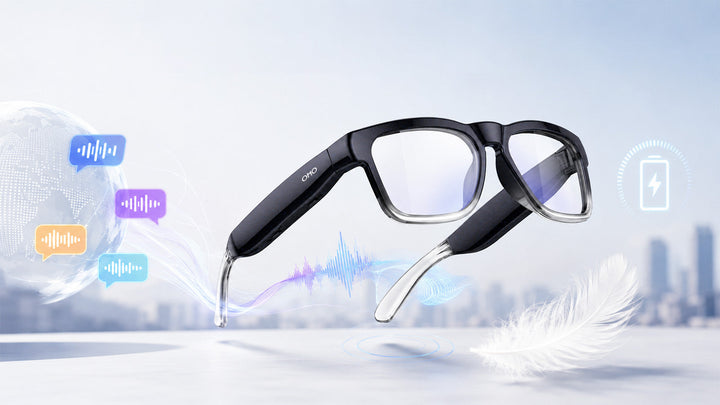
Bluetooth audio glasses connect to your phone and stream music, podcasts, or calls through built-in speakers in the frame. Unlike earbuds, they leave your ears open, so you stay aware of your surroundings while still hearing your audio. For commuters, cyclists, or anyone who spends extended time outdoors, this is a genuinely useful difference.
Camera and Recording
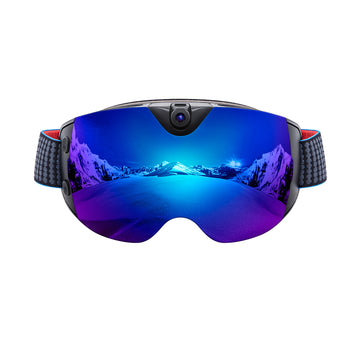
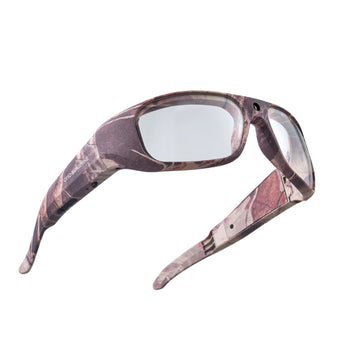
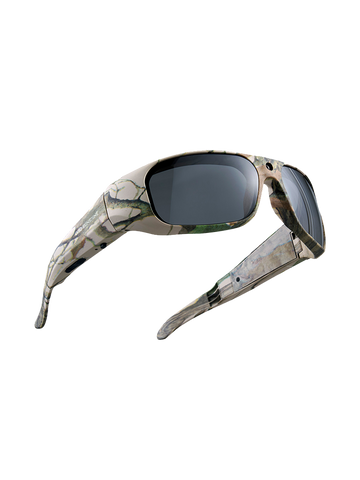
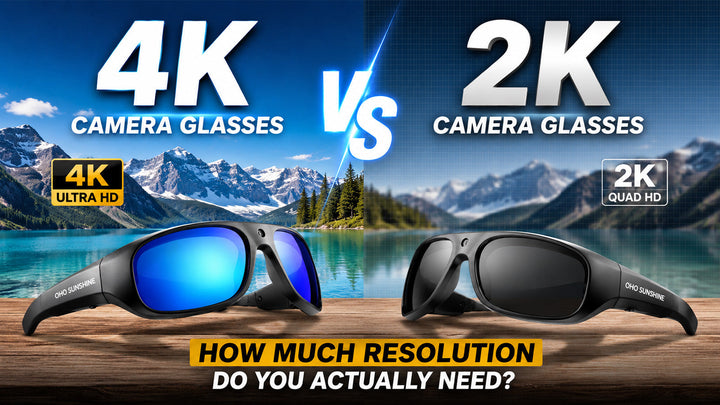
Camera glasses record video and capture photos from your point of view, hands-free. The camera sits at the bridge of the frame, meaning footage reflects what your eyes actually see. Newer models include EIS (Electronic Image Stabilization), a technology that smooths out camera movement during recording, producing cleaner footage even when you are active and on the move.
AI-Powered Features
AI (artificial intelligence) glasses take things further than traditional eyewear. Some models support real‑time language translation by syncing with compatible apps, helping spoken conversations across languages feel more natural. Some also support voice commands or smart assistant access, bringing practical intelligent features to something you are already wearing on your face.
Why Some People Find Smart Glasses Useful in Everyday Life
For the right person, smart glasses remove real friction from daily life.
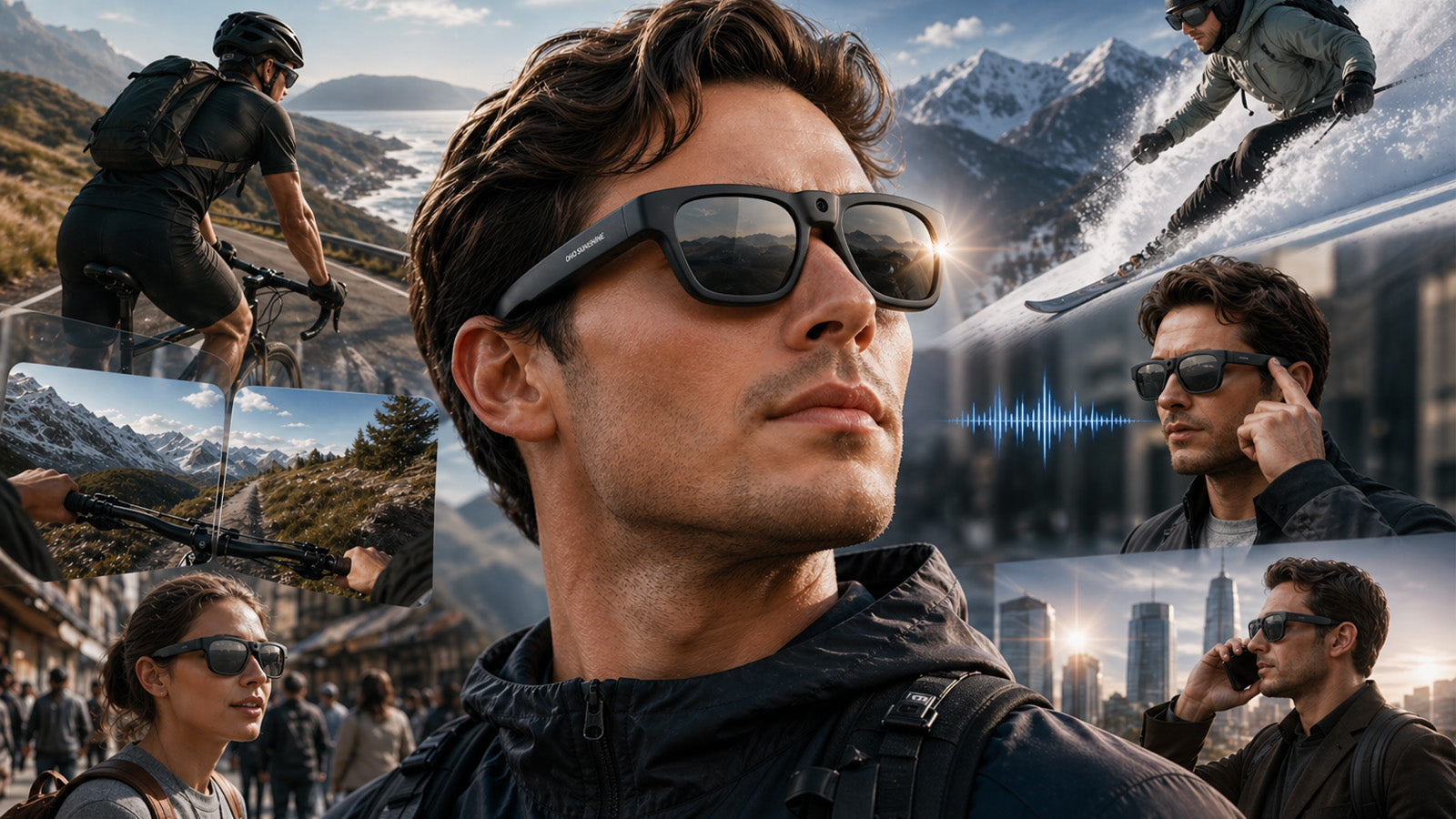
Outdoor athletes get a way to capture what they see without holding anything. Trail runners, skiers, and cyclists can record a ride or a run and review it later, with no mount, no phone arm, no interruption to the activity.
Frequent travelers who cross language barriers find AI smart glasses worth the investment. The translation feature cuts the awkward pauses that come with holding a phone between you and the person you are talking to. Conversations move more naturally.
For professionals on the move, Bluetooth glasses replace the need to constantly reach for a phone for calls and audio throughout the day. The common thread across all these users is convenience. Smart glasses work best when they remove a step from something you already do regularly.

Where Smart Glasses Still Feel Like a Gadget
Not every smart glasses experience is equal, and some common pain points in the category are worth knowing about before buying.
- Bulky, uncomfortable frames are a frequent complaint with older or cheaper models. Frames made from conventional plastic materials may lack flexibility for all-day comfort, which is why material choice matters when comparing options. This is less of an issue with glasses made from materials like TR90, a flexible lightweight nylon that bends without breaking and stays comfortable throughout the day.
- Unstable video footage used to be a real limitation for camera glasses, since movement during recording translated directly into shaky clips. Models equipped with EIS (Electronic Image Stabilization) solve this by compensating for motion in real time, which is why EIS has become one of the more important features to look for.
- Difficult file transfers frustrated early users who had to rely on desktop software or slow wireless syncing. Glasses that include an OTG (On-The-Go) connector allow direct playback on a smartphone via a cable, which removes most of that friction.
- No visual recording indicator made it hard to tell whether the camera was actually running. A built-in LED indicator light solves this clearly and immediately.
Smart Glasses vs. Phones, Earbuds, and Other Wearables
Smart glasses do not replace every device. They fill a specific gap that phones and earbuds leave open. Here is how they compare at a glance.
| Device | Strength | What Smart Glasses Add |
| Smartphone | Versatile, powerful | Frees your hands; no need to hold or reach for it |
| Earbuds | Strong audio isolation | Open-ear listening; more comfortable for all-day wear |
| Action camera | High video control | Eye-level POV recording with no extra gear to carry |
| Smartwatch | Glanceable notifications | Audio and recording in one wearable you already have on |
Smart glasses are strongest in active, outdoor, or hands-occupied scenarios. The right question is not which device is better overall, but which one fits what you are doing at a specific point in your day.
Who Will Get Real Value From Smart Glasses?
Some people consistently find smart glasses worth the purchase. Others get less from them. The difference usually comes down to lifestyle fit.
Strong matches:
- Active outdoor users who want hands-free recording while hiking, cycling, skiing, or running
- Daily commuters, professionals, and hybrid workers who benefit from Bluetooth audio, hands‑free calls, and blue light protection during office or screen‑heavy days
- Frequent international travelers who navigate different languages regularly
- Content creators looking for natural, eye-level POV footage with EIS stabilization
- Anyone who already wears sunglasses daily and wants to add real function to that habit
Less likely to get full value:
- Users whose primary use case is studio-style, stationary close-up recording with manual camera control settings
- People who rarely need audio, recording, or AI features during their day
- Anyone expecting AR display overlays or real-time visual information projected into their view
The best AI glasses and AI smart glasses deliver the most when they map directly to how you already spend your time.
What to Check Before Deciding They're Worth Buying
Before choosing a pair, a few practical questions are worth working through:
- What is your primary use case? Recording, audio, translation, or a combination? Match the type to the task first.
- Where will you mostly wear them? Consider both indoor and outdoor environments, as many smart glasses perform well in both.
- How important is video stability? If you plan to record while moving, look for models with EIS built in for noticeably smoother results.
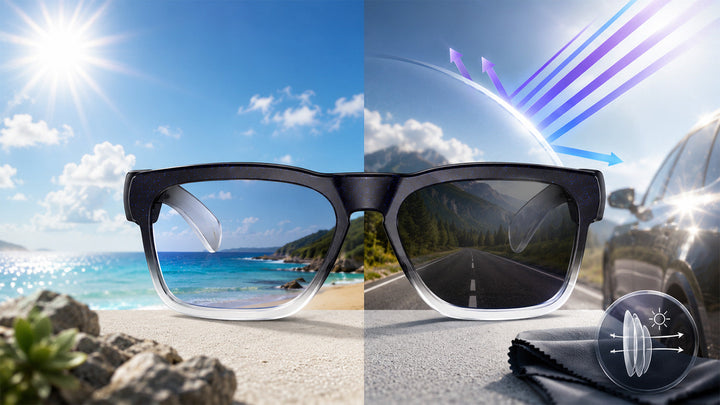
- What lens type fits your environment? Polarized lenses help reduce glare in bright outdoor settings. Photochromic lenses adjust their tint based on light levels, making them versatile for both indoor and outdoor use. Clear lenses are ideal for low-light or indoor environments.
- How much setup are you comfortable with? Some AI glasses require a companion app. Entry-level Bluetooth models typically pair quickly and need very little configuration to get going.
Checking these points before buying removes most of the guesswork and keeps expectations aligned with what the product is genuinely built to do.
FAQs about Using Smart Glasses Daily
Q1. How Long Do Smart Glasses Last on a Single Charge?
Battery life varies depending on the model and which features are in use. Camera recording and AI functions draw more power than audio-only use. Many models support USB-C charging and are compatible with portable power banks, which can extend recording sessions considerably during longer outings.
Q2. Can Smart Glasses Be Used With Prescription Lenses?
Some smart glasses frames support prescription lens replacement, allowing users with vision correction needs to still benefit from the smart features. Lens compatibility varies between designs, so it is worth checking the specific model's options before purchasing.
Q3. Is There a Learning Curve to Using Smart Glasses Daily?
Most smart glasses are designed to feel intuitive within the first few uses. Camera and audio controls are typically a single button press, and Bluetooth pairing follows the same process as connecting any wireless device. AI features with companion apps take slightly more initial setup, but most users report feeling comfortable within a short time.
See If Smart Glasses Belong in Your Routine
Smart glasses in 2026 are a practical choice for a growing number of people, not a niche experiment. Audio convenience, hands-free recording, EIS stabilization, and real-time AI translation are features that solve real problems. The question is not whether smart glasses work. It is whether they fit the way you live. Browse the full range of AI glasses and smart glasses at OHO Sunshine and find the pair that makes sense for your day.